Summary
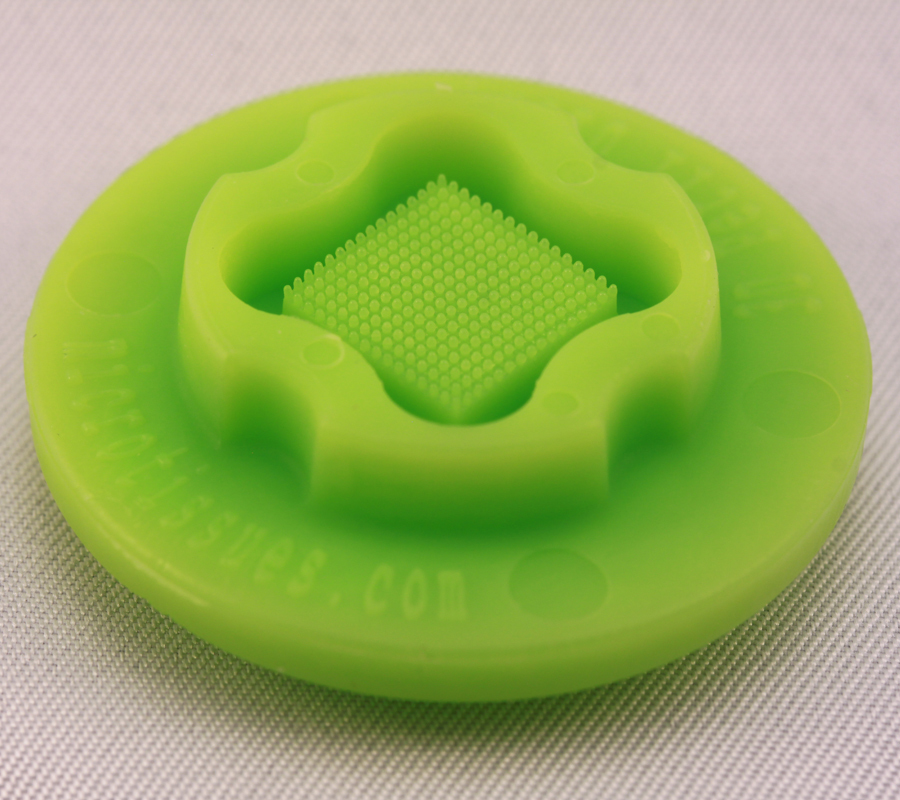
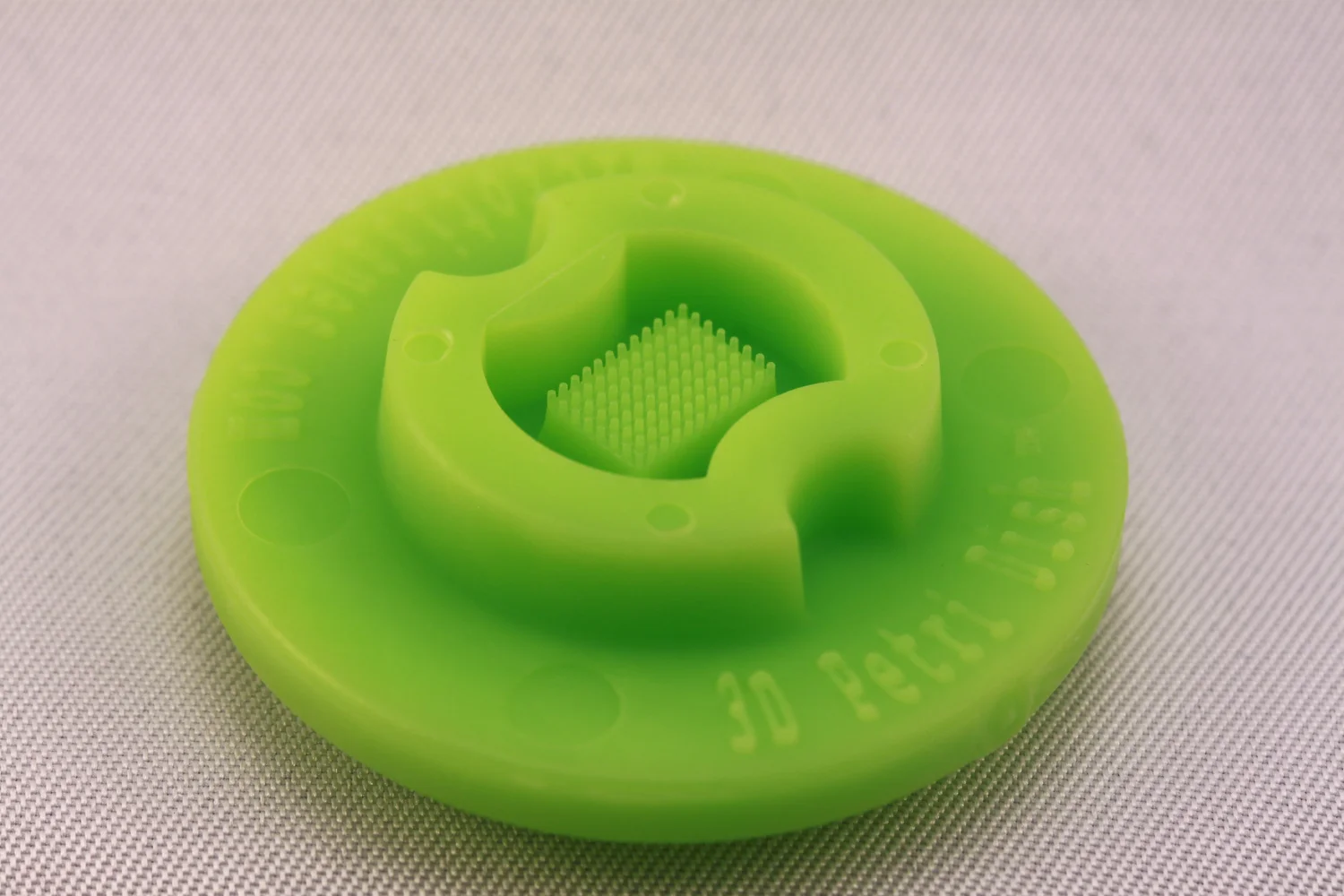
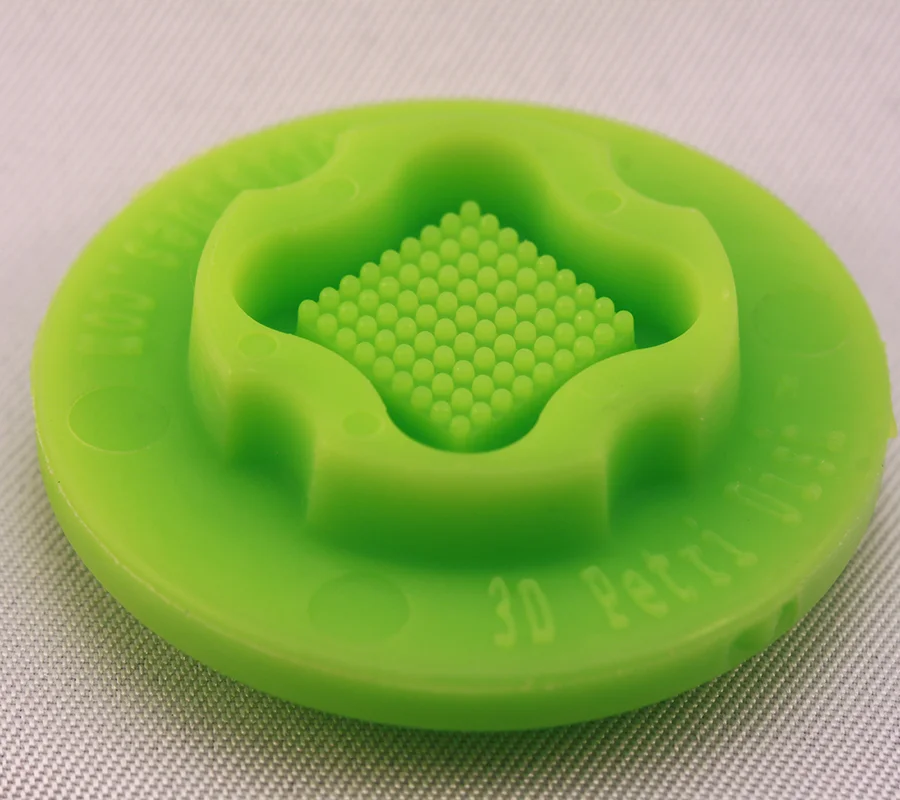
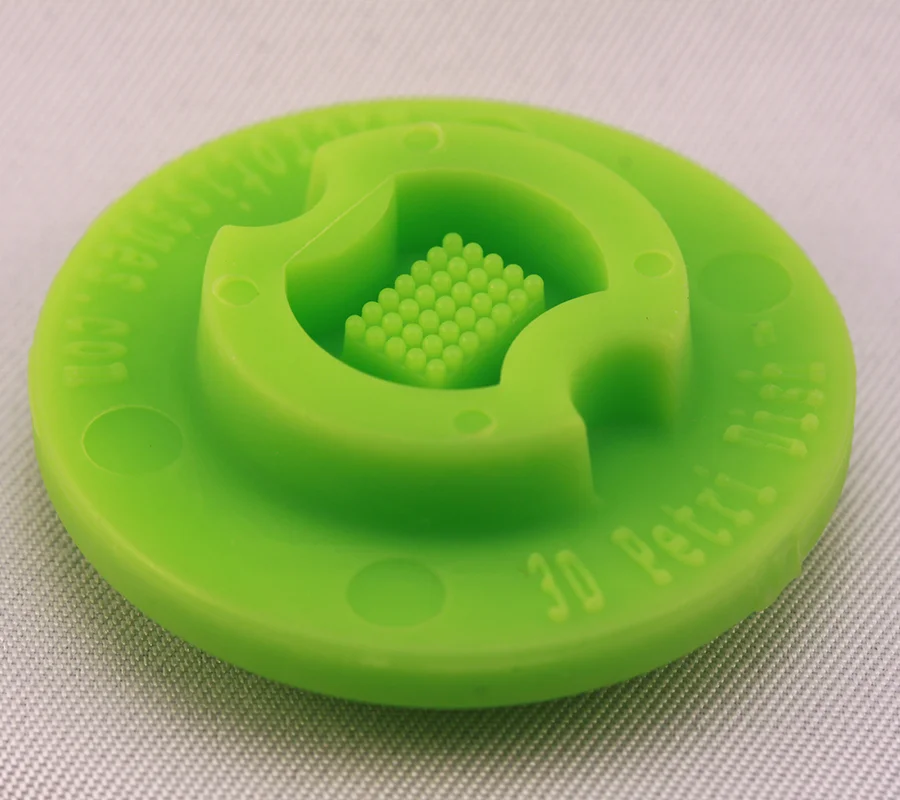
This study by Richards, D. J. et al was published in Biomaterials 142, 112–123, 2017. It utilized Microtissues 3D Petri Dish® micro-molds for 3D cell culture, contributing to advances in cardiac research.
Inspiration from heart development: Biomimetic development of functional human cardiac organoids
Research Overview
Human organoids provide 3D systems for modeling development and disease and for delivering cells therapeutically. While direct differentiation of embryoid bodies is promising for cardiac organoids, heart development itself offers a better blueprint.
Inspired by coronary vasculogenesis — where a diverse but defined mixture of cardiac cell types self-organizes into functional myocardium without blood flow — this study developed a defined method for fabricating human cardiac organoids from specified cell types, letting the biology of intramyocardial organization guide the engineering.
Key Discoveries
- Utilized Microtissues 3D Petri Dish® micro-molds for reproducible 3D spheroid formation
- Enabled physiologically relevant cell-cell interactions in a controlled 3D environment
- Supported the study of complex biological processes that cannot be replicated in traditional 2D culture
3D Petri Dish® Application
3D Petri Dish® Application
- Non-adhesive hydrogel micro-molds promoted self-assembly of cells into 3D spheroids:
- Uniform microtissue size ensured experimental reproducibility:
- Compatible with standard cell culture workflows and imaging techniques: