Summary
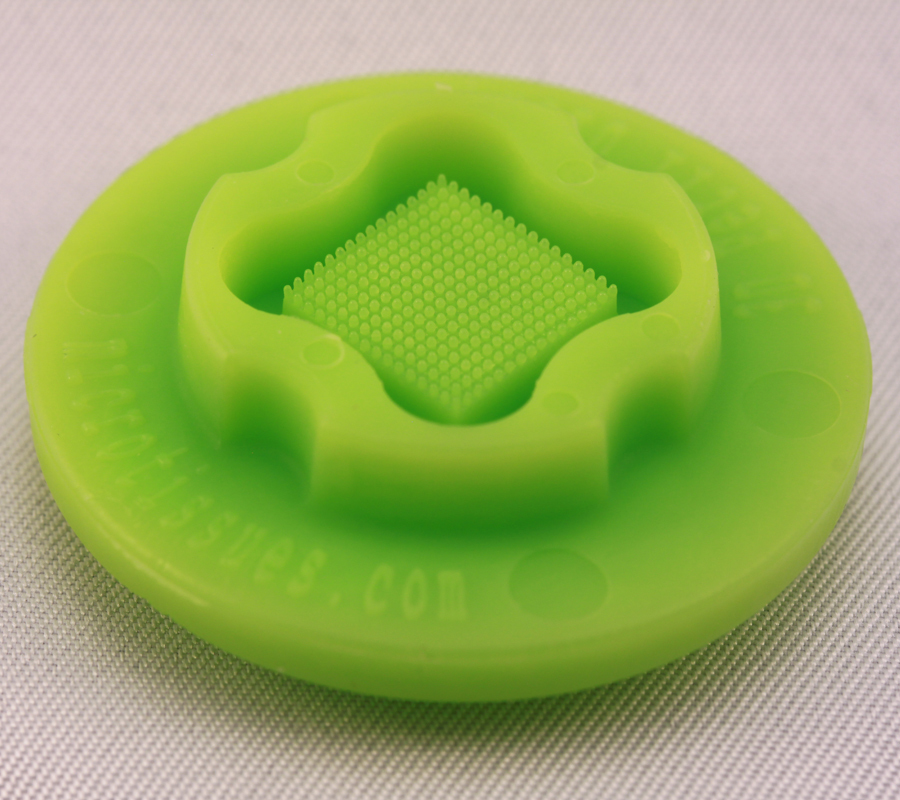
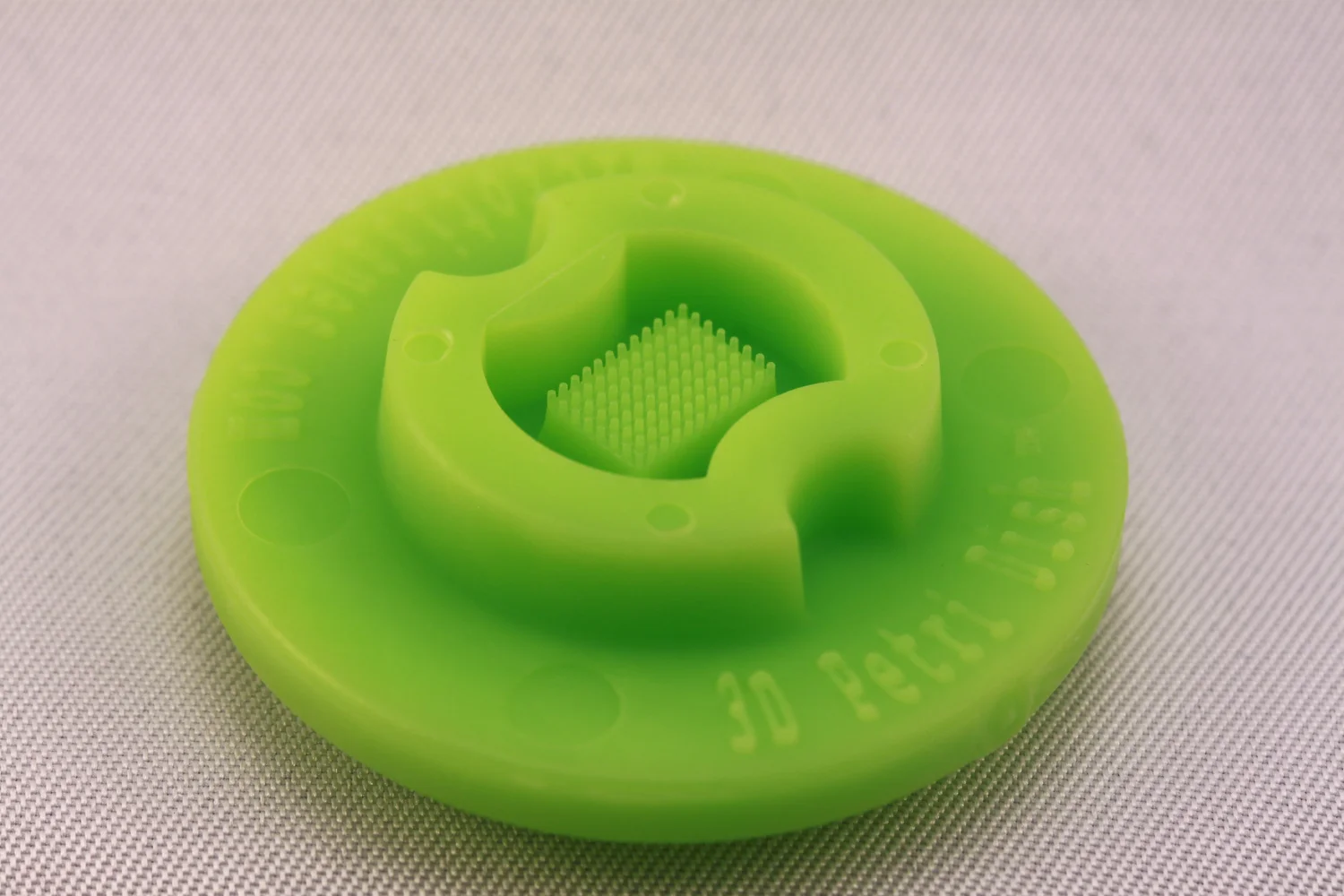
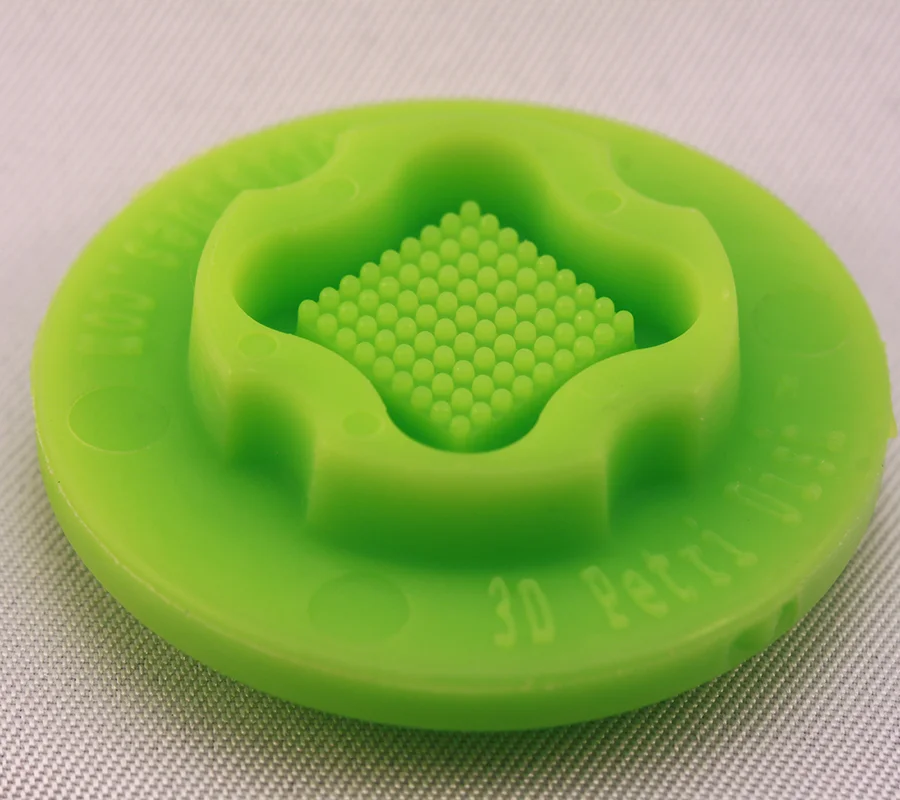
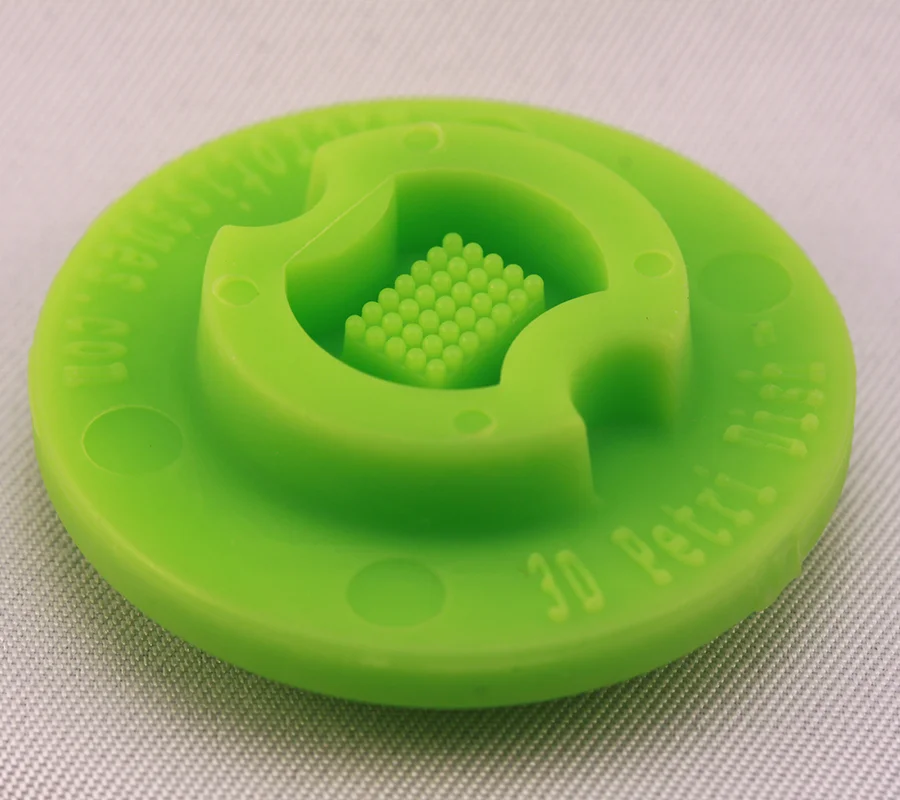
Published in Pharmaceutics (2023), this peer-reviewed study used 3D Petri Dish® micro-molds to form scaffold-free 3D microtissues. Full citation: Wang, Jianhong, et al. Inherently Fluorescent Peanut-Shaped Polymersomes for Active Cargo Transportation
Inherently Fluorescent Peanut-Shaped Polymersomes for Active Cargo Transportation
Research Overview
Nanomotors can deliver drugs more efficiently by moving to their target, but designing motors that are both therapeutically active and traceable once inside cells has been difficult. This study built nanomotors from biodegradable polymersomes carrying aggregation-induced-emission agents, giving them intrinsic autofluorescence so cell uptake can be visualized without added dyes.
The membrane structure allowed the polymersomes to be reshaped into asymmetric, peanut-shaped particles. Under laser irradiation these peanut polymersomes fluoresced and also generated reactive species, combining trackability, propulsion, and therapeutic activity in one biodegradable particle.
Key Discoveries
- Biodegradable polymersomes with aggregation-induced-emission agents are intrinsically fluorescent for uptake tracking
- Membrane reshaping produced asymmetric, peanut-shaped nanomotors
- Laser irradiation drove both fluorescence and therapeutic reactive-species generation