Summary
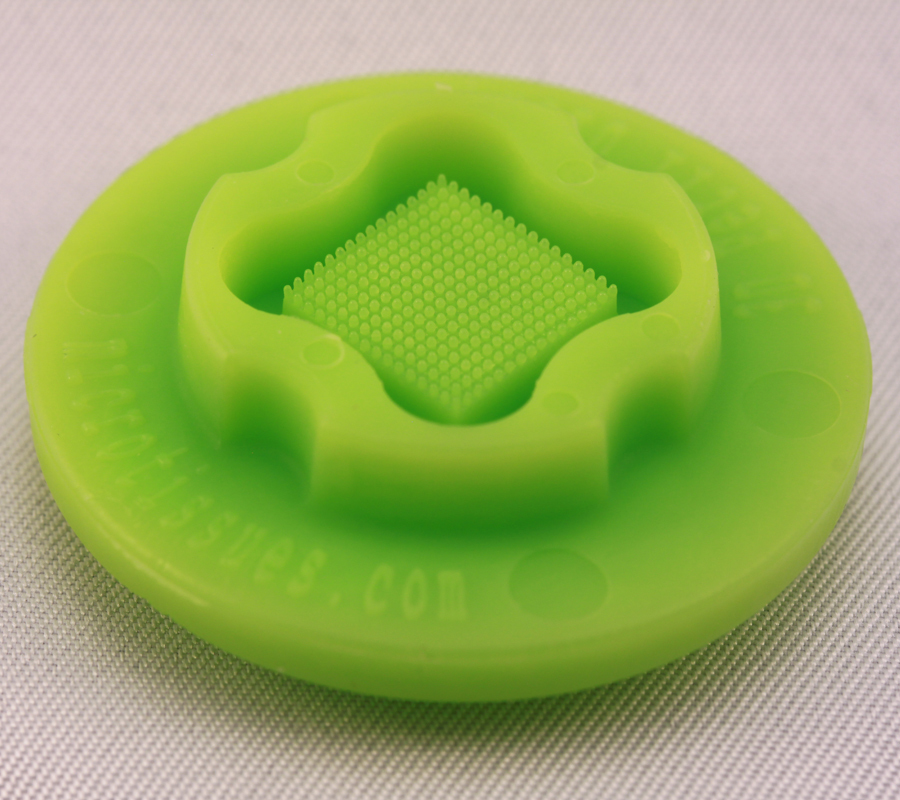
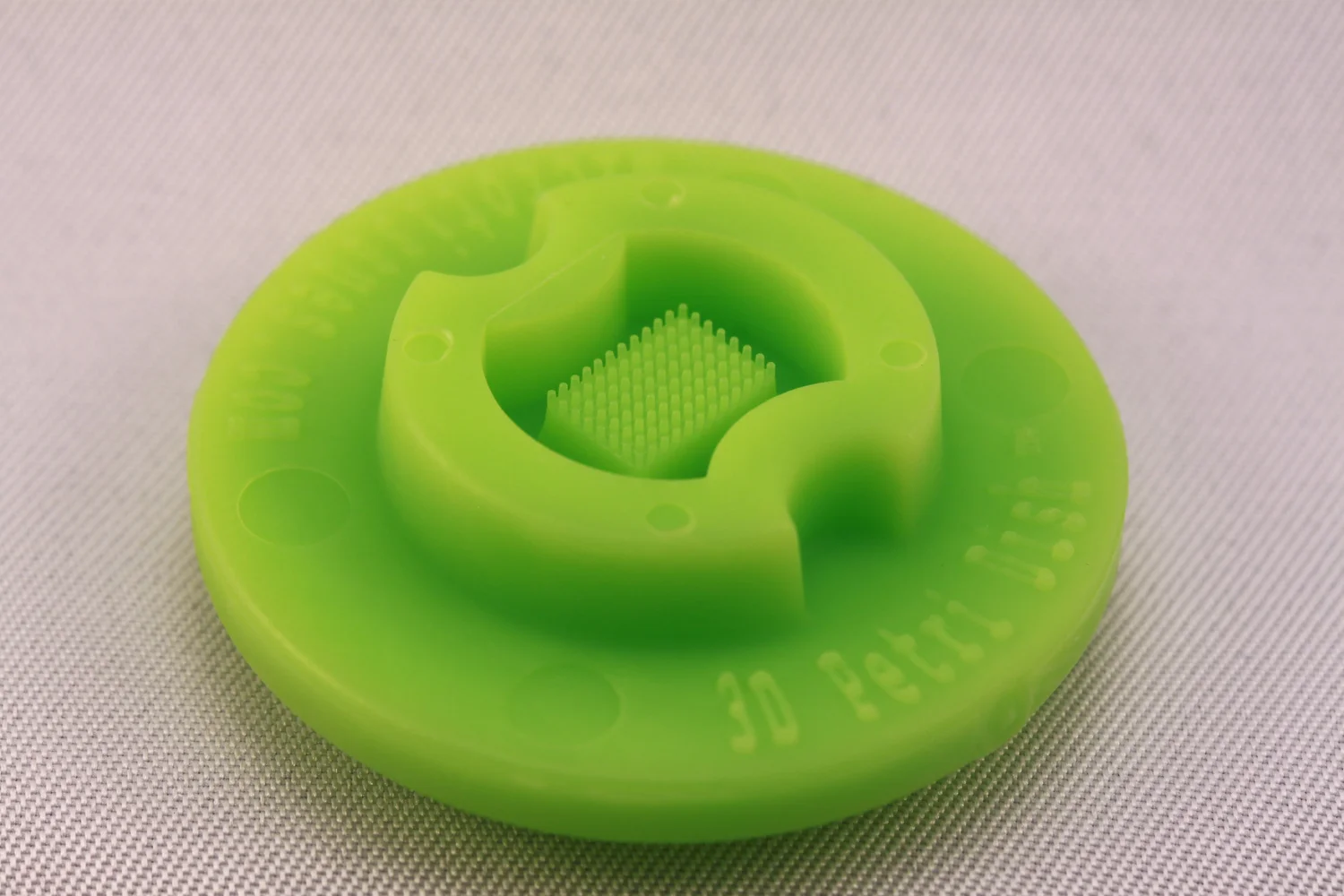
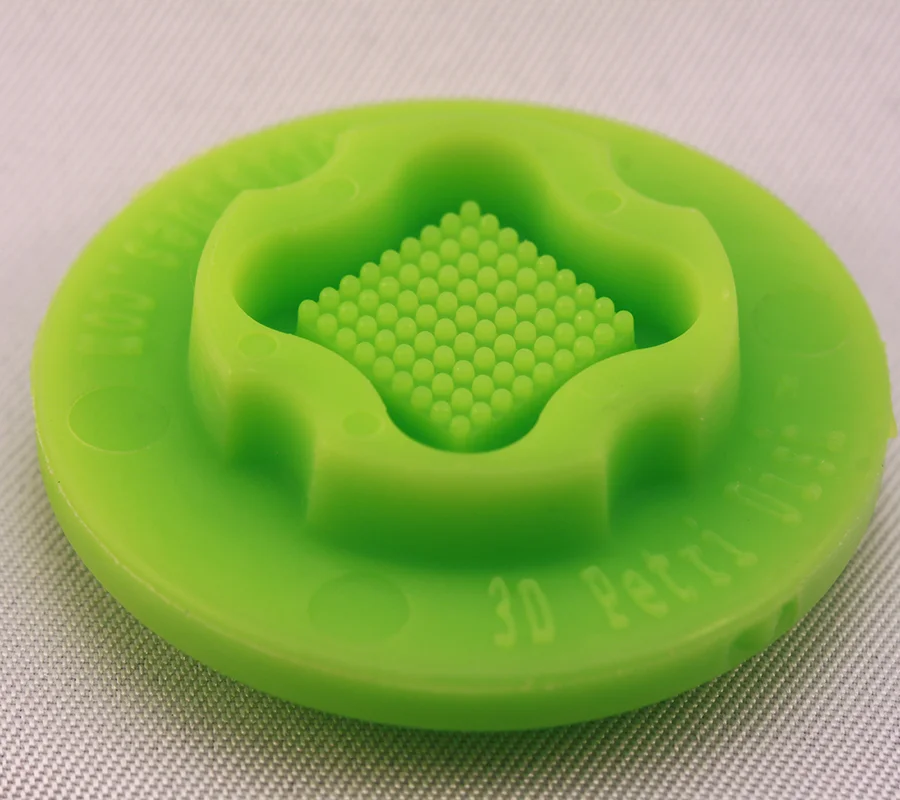
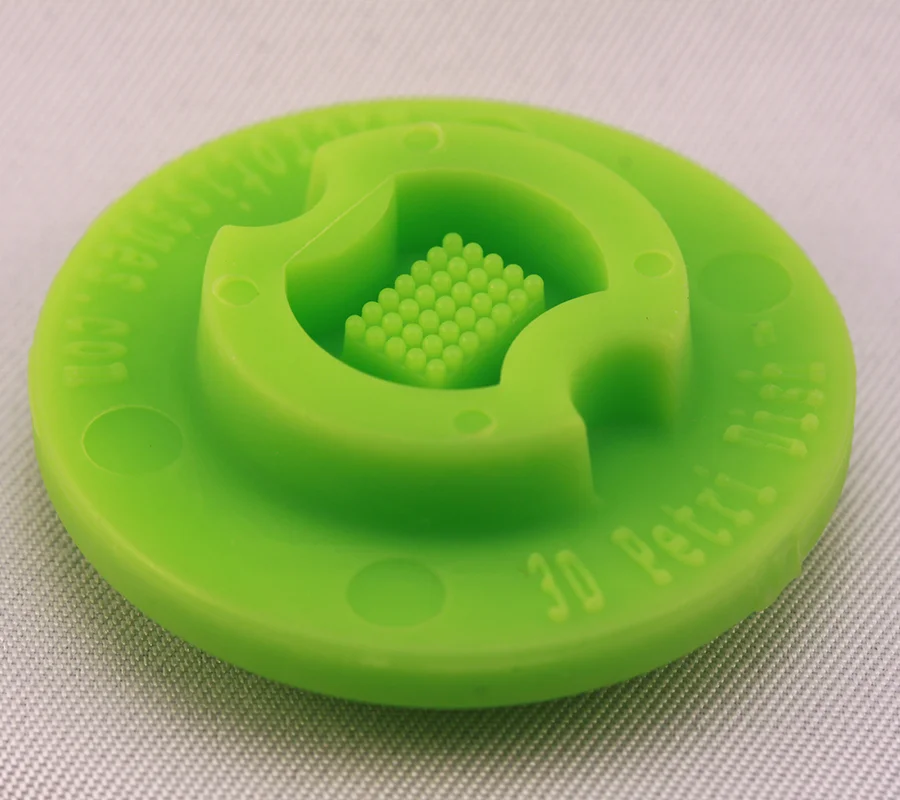
Published in Pharmacology Research & Perspectives (2024), this peer-reviewed study used 3D Petri Dish® micro-molds to form scaffold-free 3D microtissues. Full citation: Werner, Sophie, et al. In Vitro Hepatic Metabolism Input Parameters Support Toxicokinetic Simulations for the Formation of Methoxy Propionic Acid From β‐Isomer Propylene Glycol Methyl Ether
In Vitro Hepatic Metabolism Input Parameters Support Toxicokinetic Simulations for the Formation of Methoxy Propionic Acid From β‐Isomer Propylene Glycol Methyl Ether
Research Overview
Propylene glycol ethers are common technical-grade solvents sold as mixtures of a dominant α-isomer and a minor β-isomer (usually under 5%). After exposure they enter the body and are metabolized; the β-isomer is oxidized by alcohol and aldehyde dehydrogenases to a potentially harmful metabolite. Estimating internal exposure to parent and metabolite requires enzymatic rate data that, for many of these solvents, did not exist.
This study generated in vitro hepatic intrinsic clearance data for the β-isomer of propylene glycol methyl ether and its metabolite methoxy propionic acid, then integrated those values into an in silico toxicokinetic model, using an established hepatic system to derive the clearance parameters.
Key Discoveries
- Hepatic intrinsic clearance measured for β-PGME and its metabolite 2-MPA
- In vitro values integrated into an in silico toxicokinetic model
- Fills a kinetic-data gap for estimating internal exposure to a common solvent's harmful minor isomer