Summary
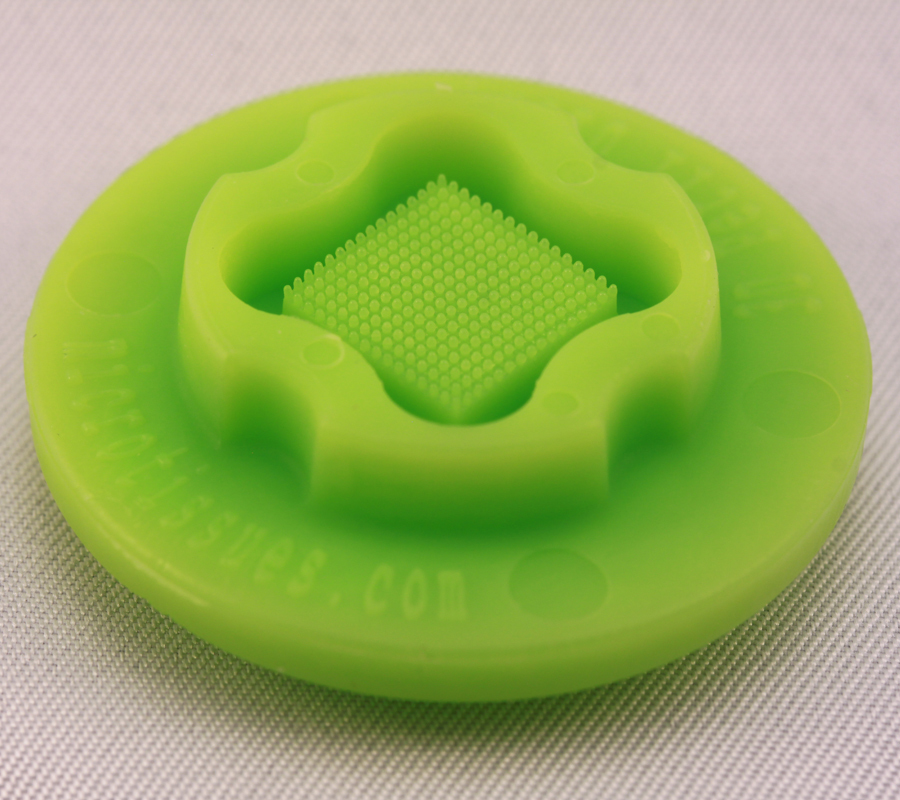
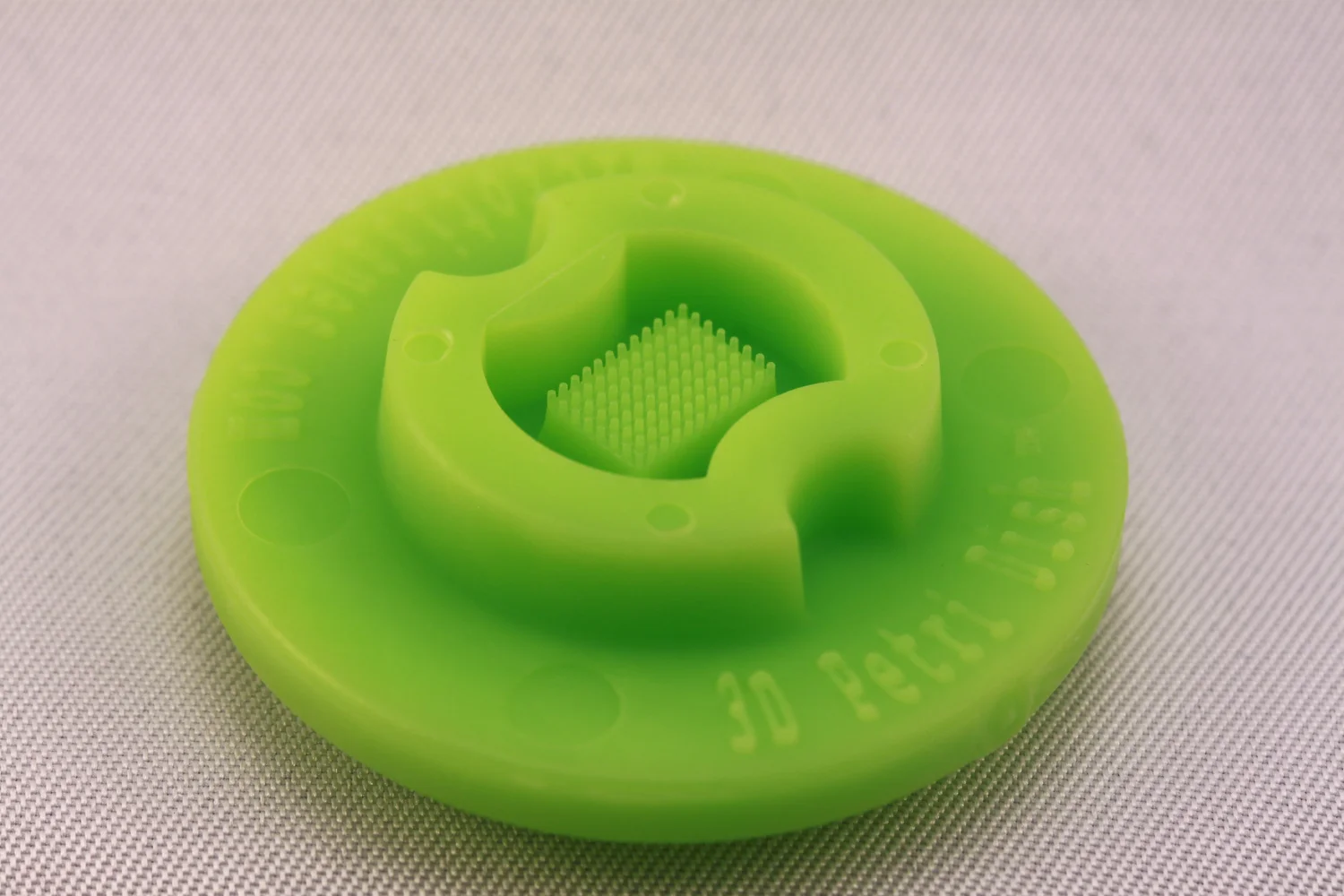
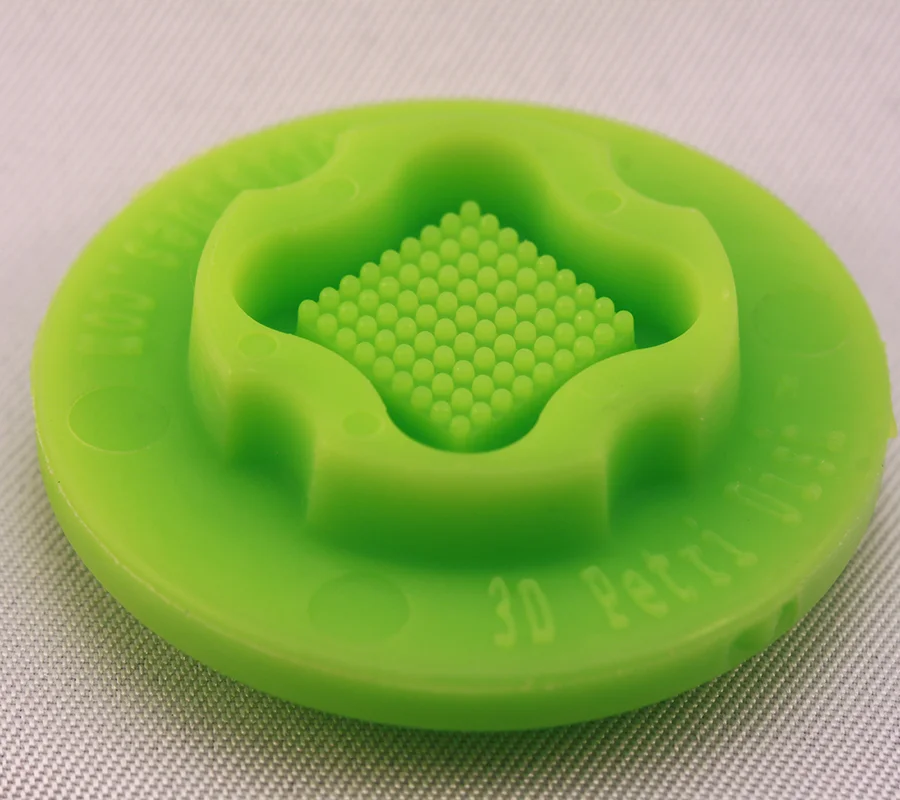
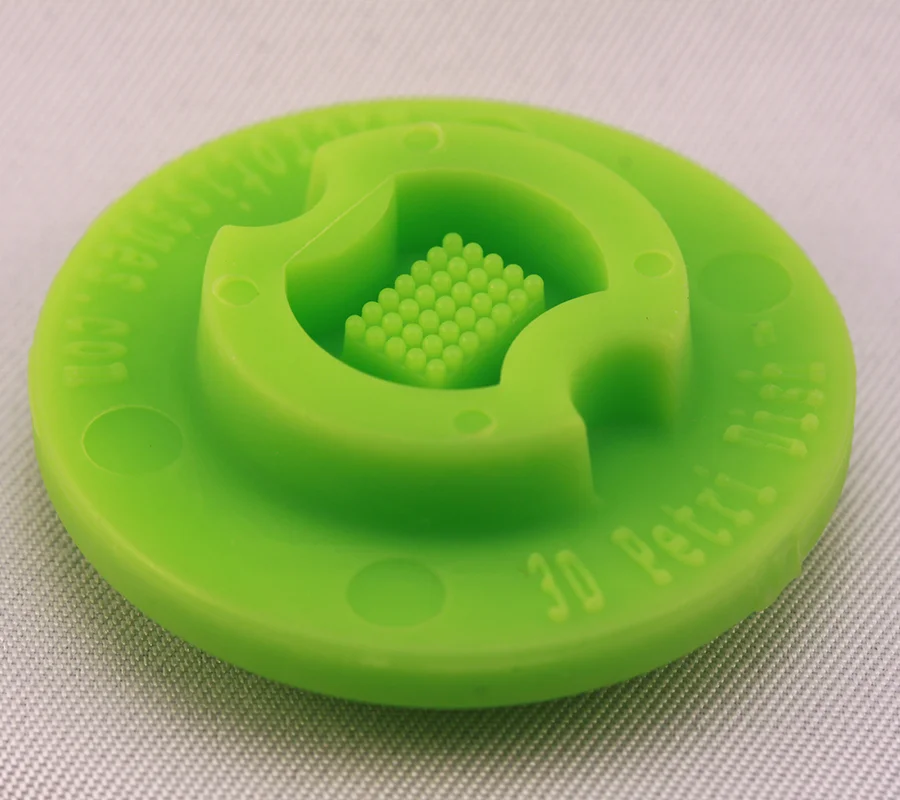
Published in Connective Tissue Research (2025), this peer-reviewed study used 3D Petri Dish® micro-molds to form scaffold-free 3D microtissues. Full citation: Hopkins, Caitlin M., et al. TGF-β1 requires IL-13 to sustain collagen accumulation and increasing tissue strength and stiffness
TGF-β1 requires IL-13 to sustain collagen accumulation and increasing tissue strength and stiffness
Research Overview
Fibrosis involves excess extracellular matrix, increased stiffness, and lost elasticity. This study built a 3D human ECM model to test how individual cytokines and their combination change collagen production and tissue biomechanics. Human fibroblasts seeded into circular agarose troughs molded in 24-well plates aggregated into ring-shaped tissues that synthesized a collagen-rich human ECM complete with collagen fibrils — with no macromolecular crowders, artificial scaffolds, or exogenous ECM proteins added.
Rings were treated with TGF-β1, IL-13, or both for up to three weeks and assessed for morphology, histology, collagen content, and mechanics — a fully human, self-generated matrix model of fibrotic remodeling.
Key Discoveries
- Ring-shaped fibroblast tissues synthesized their own collagen-rich human ECM with fibrils
- No crowders, scaffolds, or exogenous ECM proteins required, unlike existing fibrosis models
- TGF-β1 and IL-13, alone and combined, tested over three weeks for effects on collagen and biomechanics