Summary
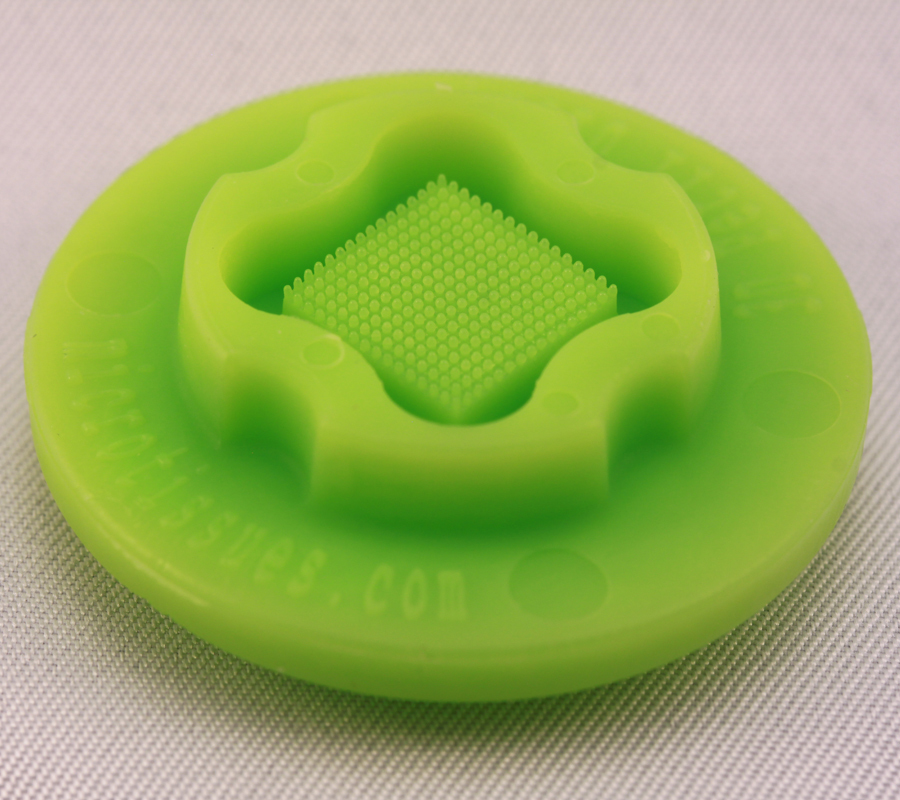
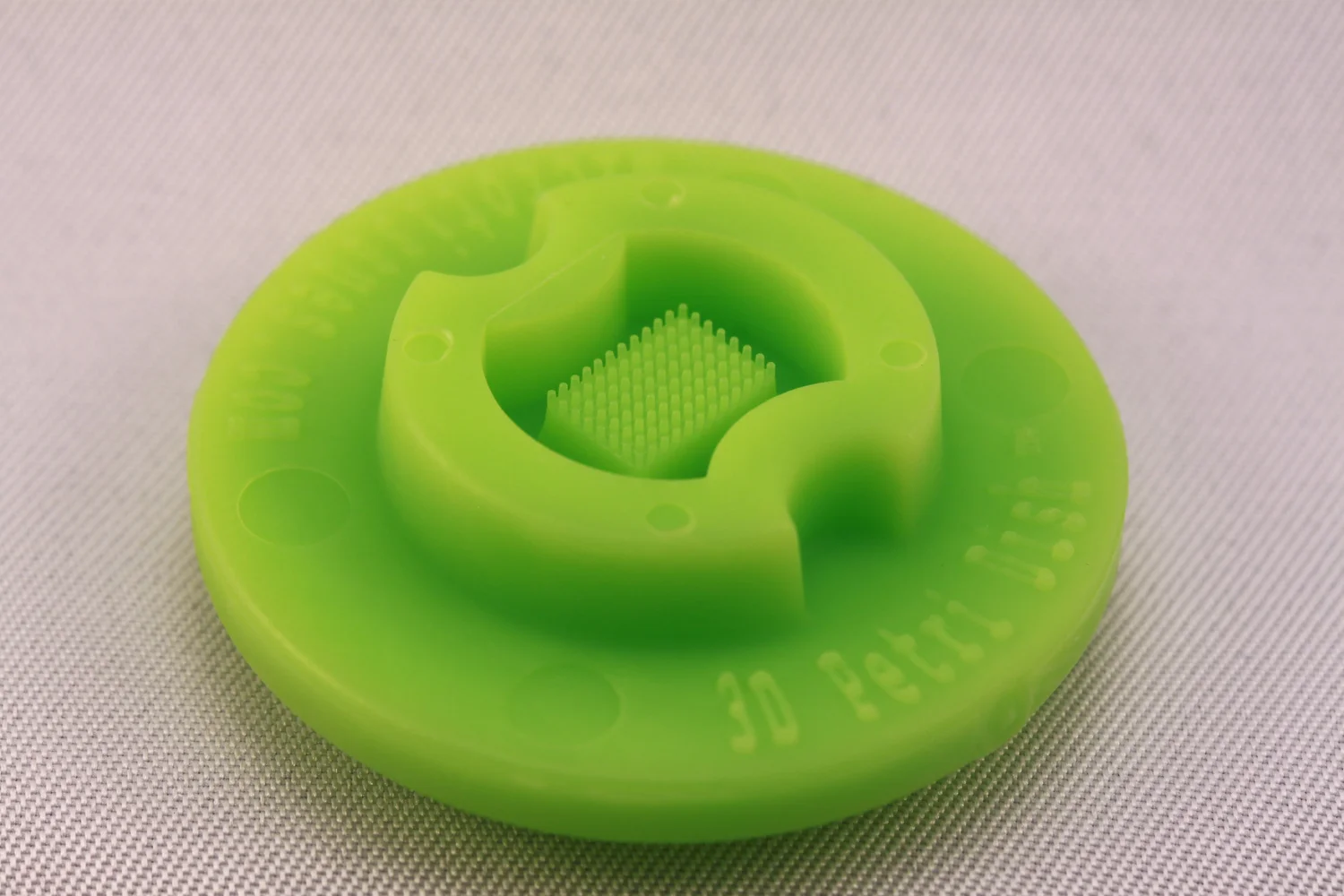
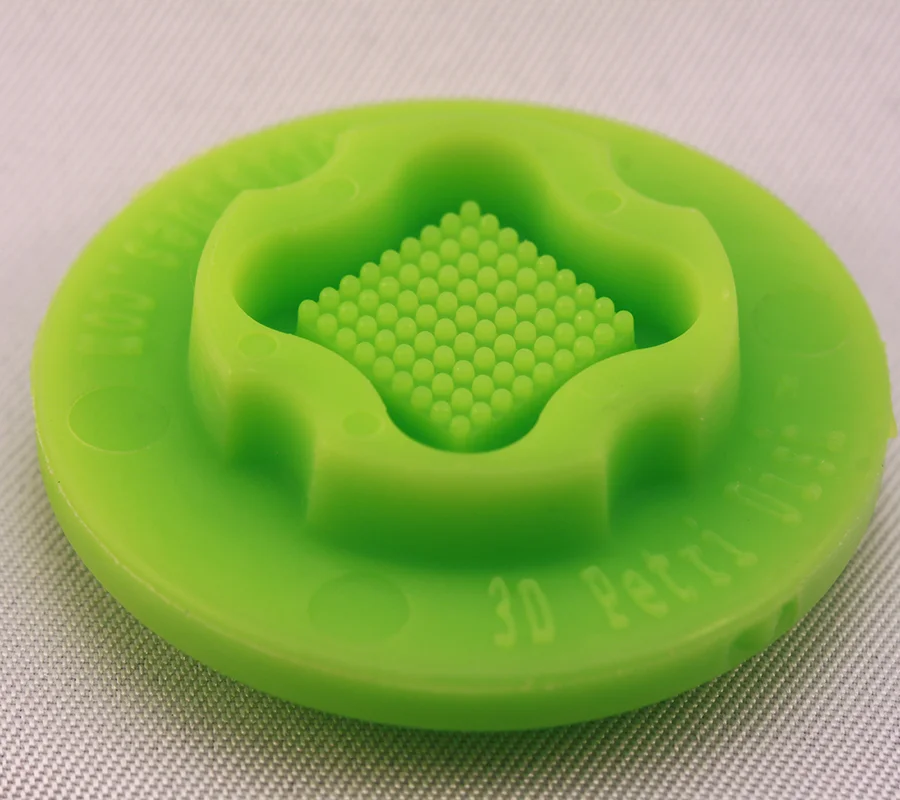
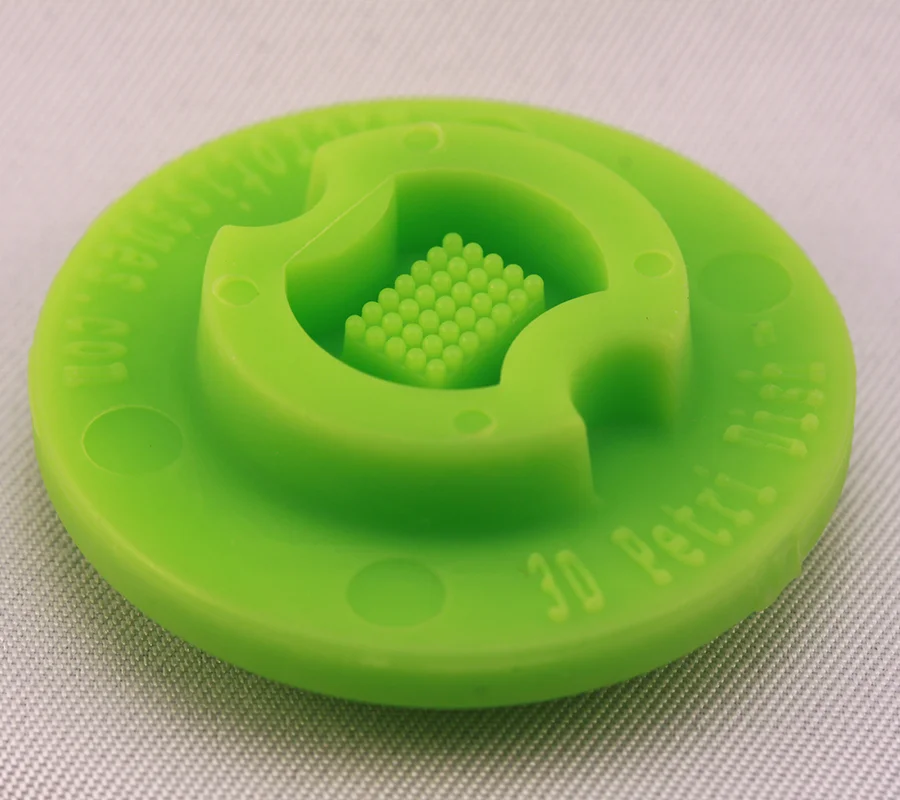
Published in F&S Science (2024), this peer-reviewed study used 3D Petri Dish® micro-molds to form scaffold-free 3D microtissues. Full citation: Paul, Emmanuel N., et al. HMGA2 overexpression induces plasticity in myometrial cells and a transcriptomic profile more similar to that of uterine fibroids
HMGA2 overexpression induces plasticity in myometrial cells and a transcriptomic profile more similar to that of uterine fibroids
Research Overview
Uterine fibroids are common, and HMGA2 overexpression marks one major subtype. This study asked whether HMGA2 overexpression in differentiated myometrial cells can push them toward a stem-cell-like or dedifferentiated state that drives fibroid development.
Immortalized myometrial cells were transduced with an HMGA2 lentivirus to create HMGA2-high cells, which were run through in vitro stem-cell assays. RNA sequencing compared HMGA2-high and control cells and, in parallel, fibroid-free myometrium against HMGA2-type fibroid tissue from women who underwent hysterectomy — linking the cell-line phenotype to collagen production and gene expression in primary leiomyoma tissue.
Key Discoveries
- HMGA2 overexpression in myometrial cells tested for induction of stem-cell-like, dedifferentiated properties
- RNA-seq compared HMGA2-high vs control cells and HMGA2 fibroid vs normal myometrial tissue
- Collagen production in HMGA2-overexpressing primary leiomyoma tissue assessed as a fibroid phenotype