Summary
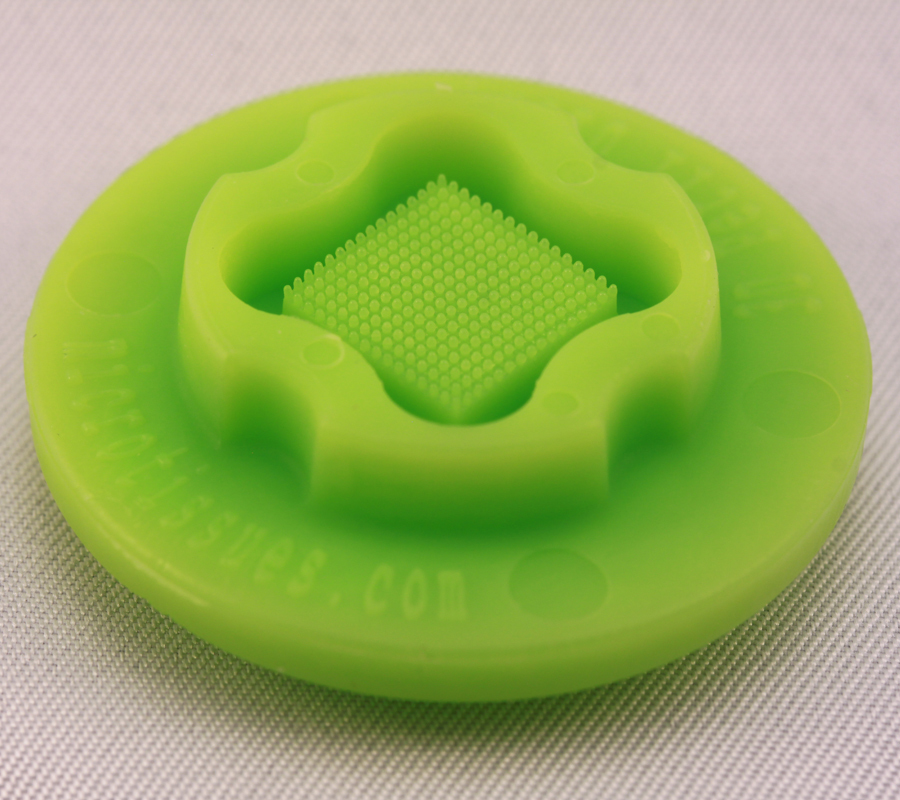
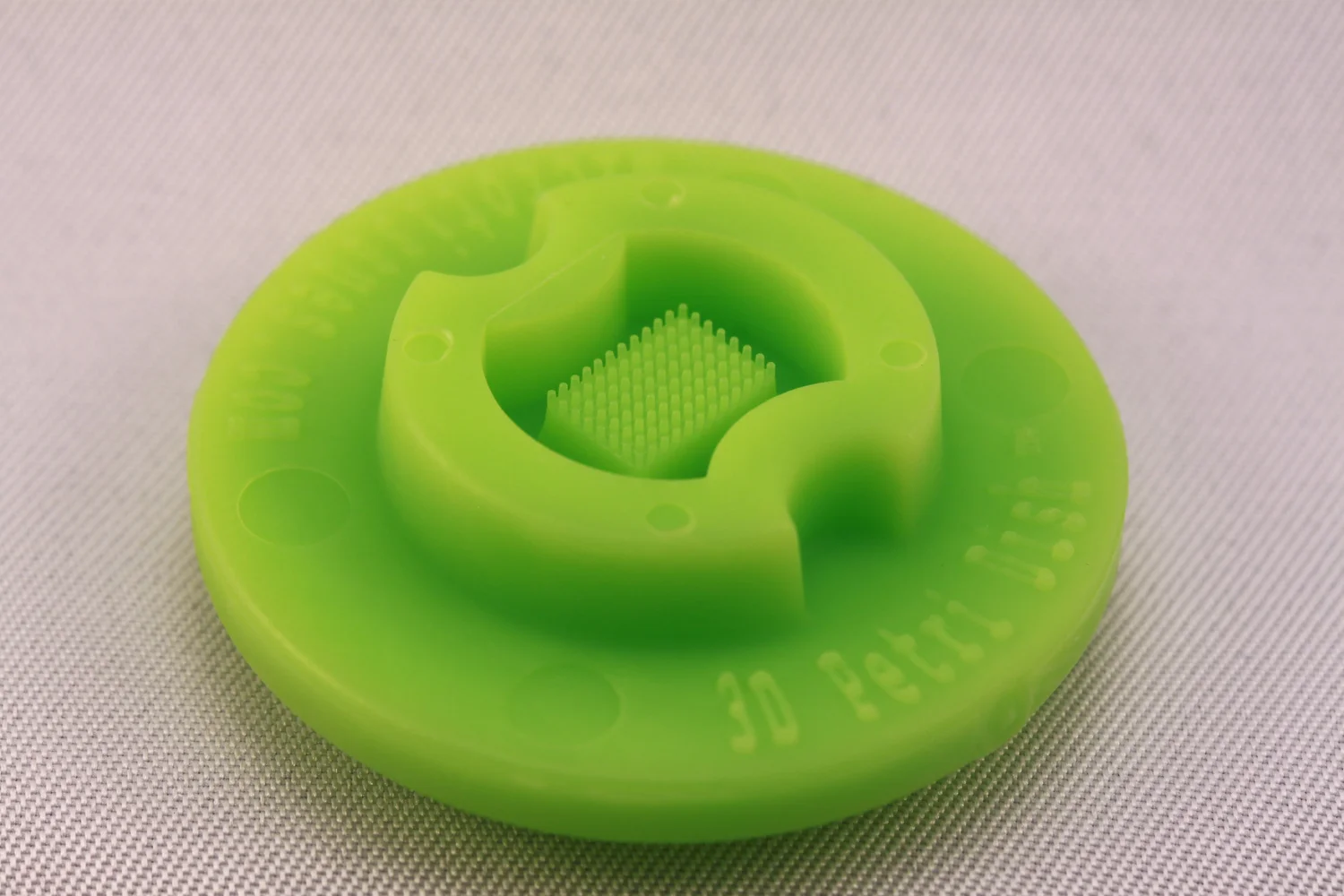
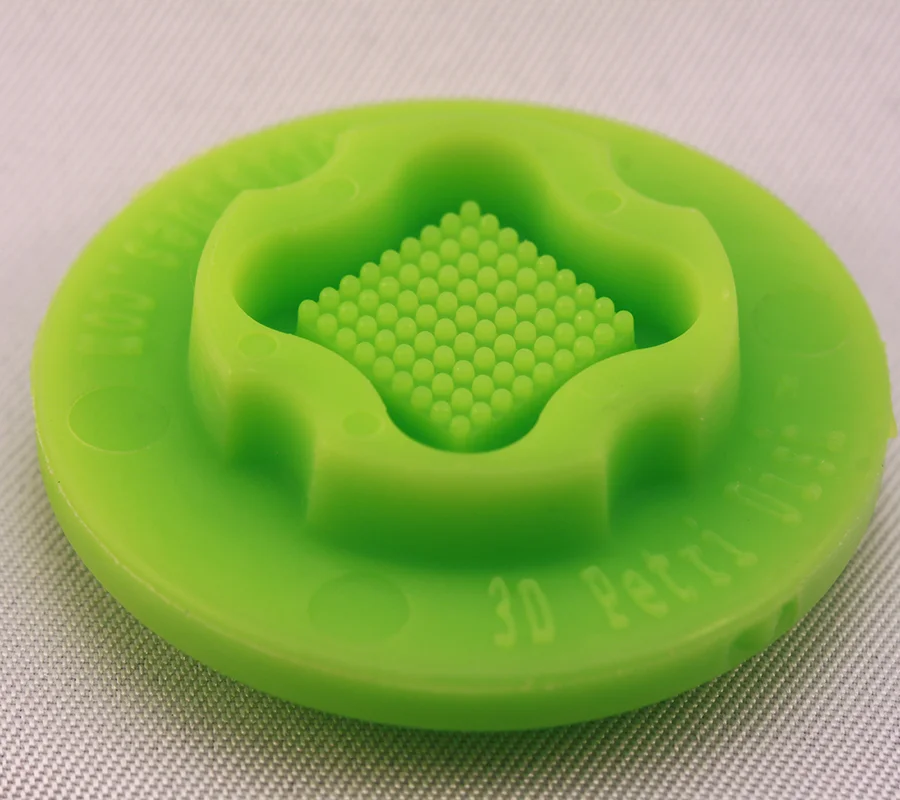
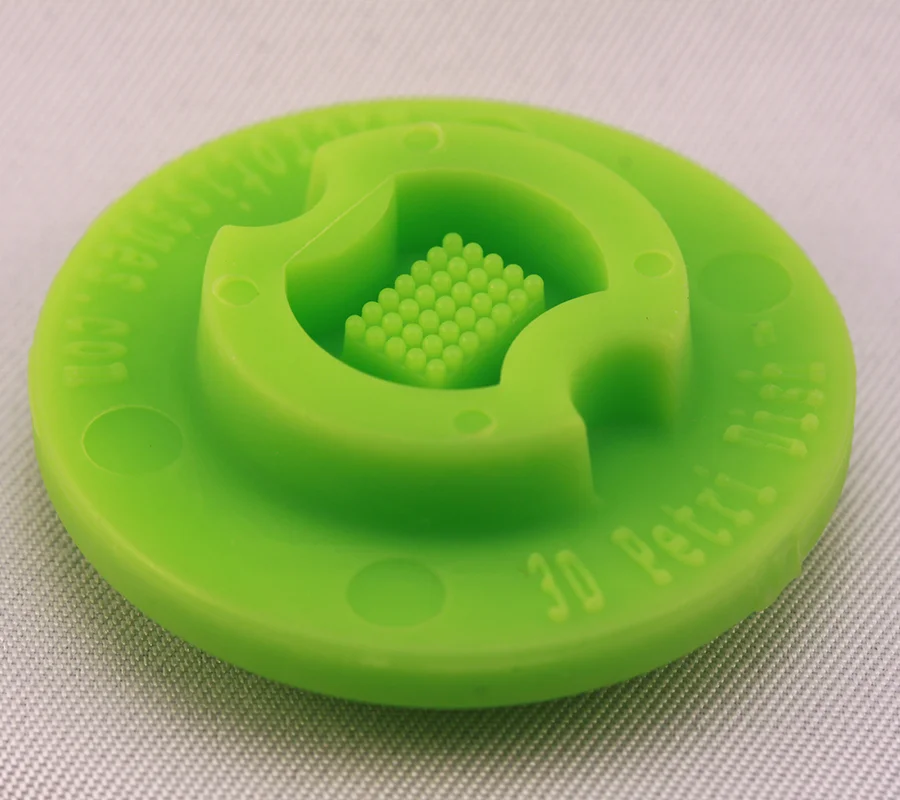
Published in bioRxiv 2024 DOI: i: https://doi.org/10.1101/2024.01.15.57 (2024), this study utilized 3D Petri Dish® micro-molds to generate uniform microtissues for investigating high-throughput analysis of membrane fluidity unveils a hidden dimension in immune cell states. biorxiv 2024 doi: i: https://doi.org/10.1101/2024.01.15.575649. The research demonstrates the value of standardized 3D cell culture models in advancing our understanding of this field.
High-throughput analysis of membrane fluidity unveils a hidden dimension in immune cell states
Research Overview
Cell membranes remodel their biophysical properties to adapt to their surroundings and perform specific functions, but how far this goes in human immune cells was unknown — largely because single-cell, multidimensional methods did not exist.
This study applied a cytometry-based method combining biophysical profiling with simultaneous analysis of immune cell markers, revealing substantial cell-type-dependent heterogeneity in plasma membrane order. Sorting immune cells by membrane order and then running transcriptome and spatial surface proteome analyses alongside functional tests exposed membrane fluidity as a previously hidden dimension of immune cell state.
Key Discoveries
- Cytometry-based method profiled membrane biophysics and immune markers simultaneously at single-cell resolution
- Revealed marked cell-type-dependent heterogeneity in plasma membrane order
- Cells sorted by membrane order showed distinct transcriptomes, surface proteomes, and functions