Summary
An application guide to using scaffold-free hepatocyte spheroids for drug metabolism and hepatotoxicity studies, with links to peer-reviewed research from our publication library.
Hepatocyte Spheroids for Drug Metabolism Studies: Application Guide
Why 3D for liver work
Primary hepatocyte monolayers lose their phenotype and metabolic function within days of seeding, which narrows the window any assay can use. Hepatocyte spheroids behave differently: published work in our library reports that spheroids develop structural polarity, functional bile canaliculi, and long-term viability that flat culture does not sustain.
That difference matters most for drug-induced liver injury, a leading cause of clinical attrition and post-market withdrawal. 3D spheroid hepatic cultures show enhanced liver phenotype, metabolic activity, and culture stability, and studies report increased sensitivity to drug-induced cytotoxicity relative to conventional 2D models.
How the 3D Petri Dish® fits
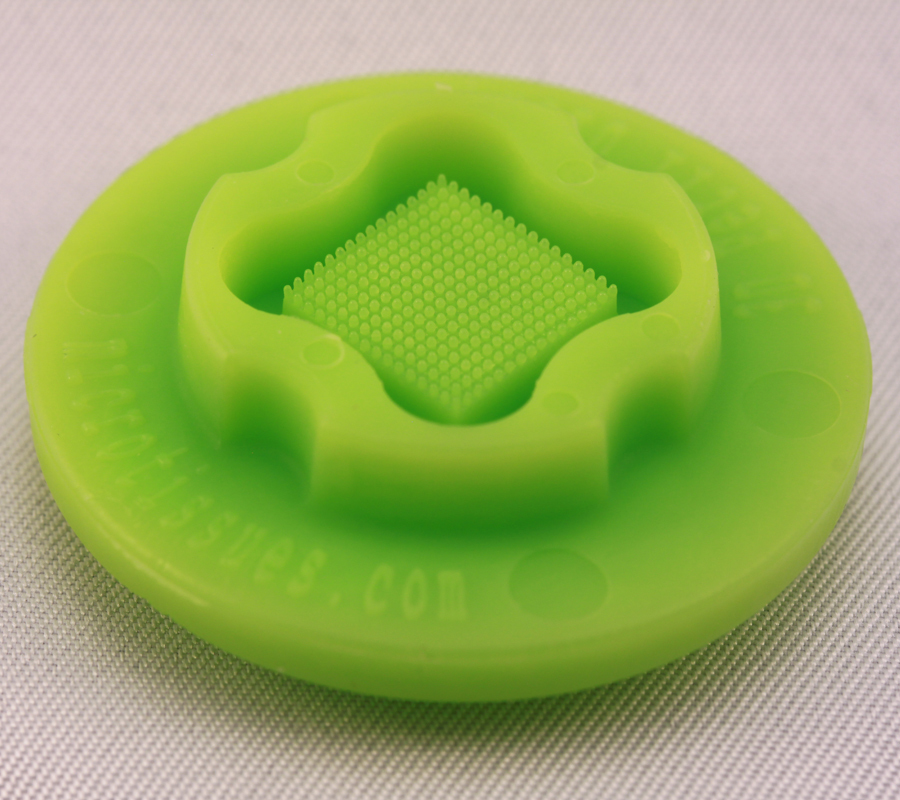
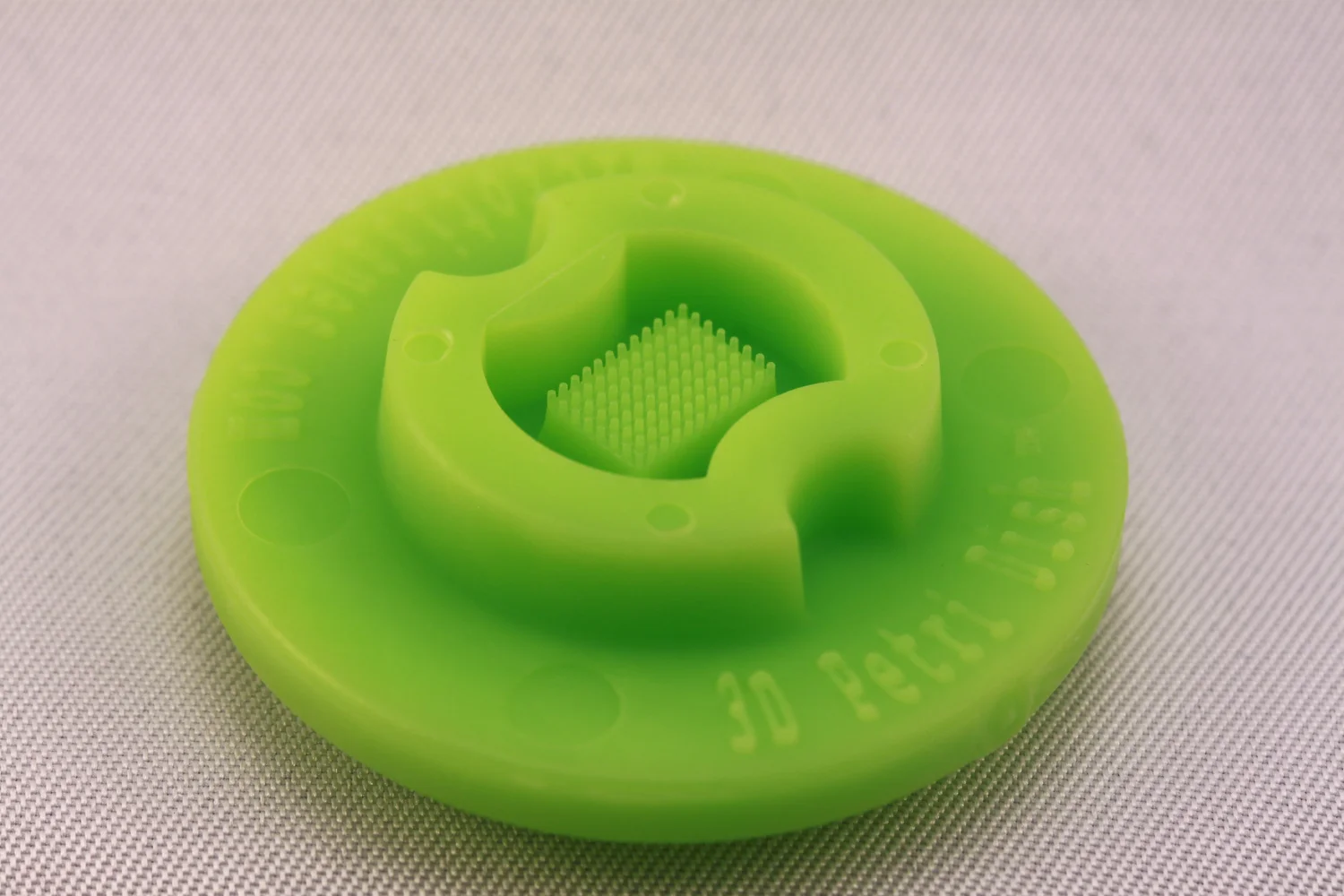
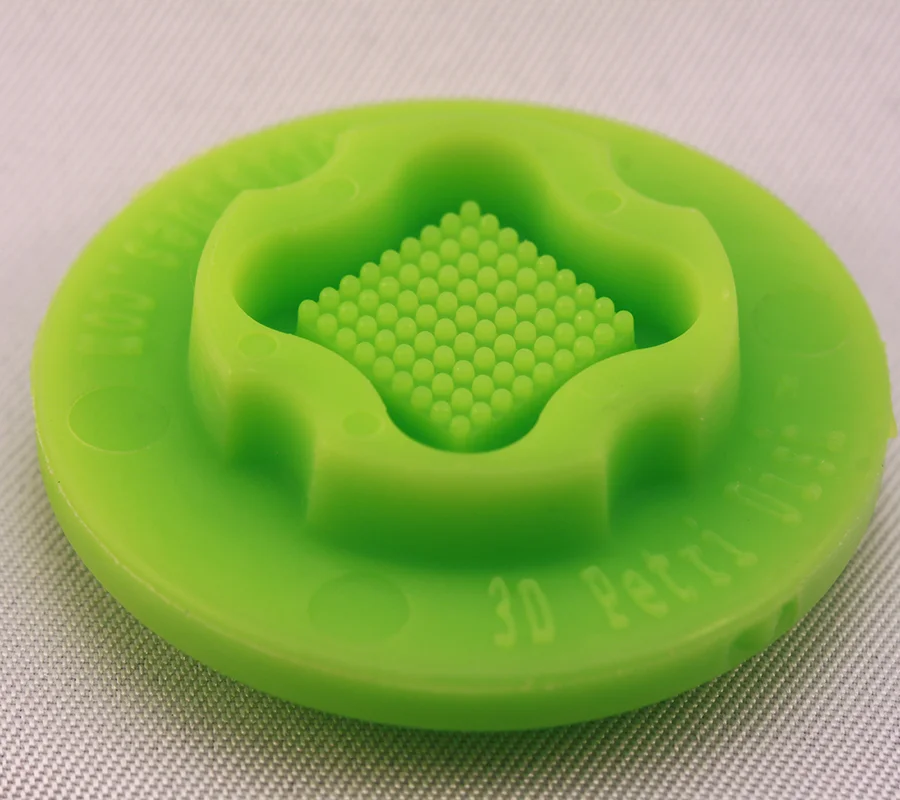
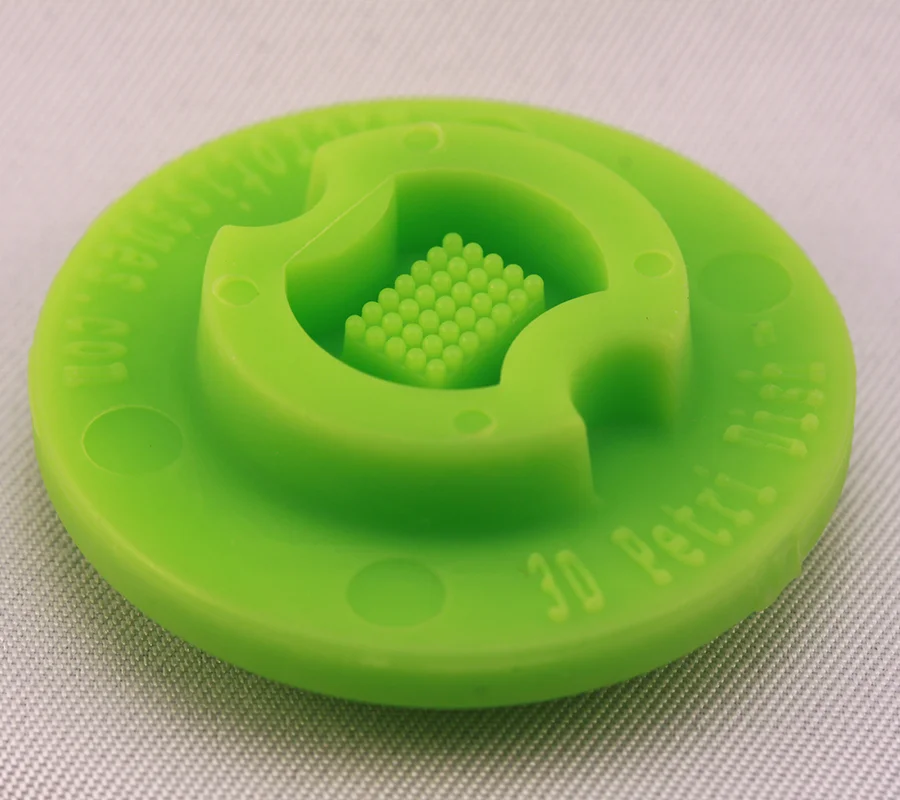
The micro-mold casts a non-adhesive agarose gel with an array of recesses. Hepatic cells pipetted into the seeding chamber settle into those recesses and self-assemble into one microtissue per well, typically within 1–2 days — no scaffold and no animal-derived matrix, so the model contains only the cells and what they make themselves.
Spheroid size is set by the number of cells seeded rather than by the mold, so the same mold covers a range of sizes as the assay requires. Molds are reusable — guaranteed for 12 uses — and are autoclaved on a standard steam dry cycle at 121°C.
Practical notes
- Agarose: use Ultrapure agarose. Do not substitute Matrigel; it is adhesive to cells, so they will not aggregate into spheroids.
- Storage: cast gels can be held submerged in media for a few days, but no more than a week.
- Harvesting: microtissues can be recovered from the gel for Western blots, RT-PCR, and other endpoint assays.
Peer-reviewed studies
See the hepatocyte spheroid research hub for published liver studies using the 3D Petri Dish®, including long-term toxicity work, multicellular liver microtissue models of fibrosis, and drug-induced liver injury assessment.