Summary
Published in PNAS (2020), this study introduces NT-3DFG (fuzzy graphene) as a platform for precise optical neural stimulation at 10-100x lower energy than conventional photothermal methods. The approach was validated in 3D cortical spheroids formed using 3D Petri Dish® micro-molds, enabling non-genetic neuromodulation with high spatial precision.
Remote nongenetic optical modulation of neuronal activity using fuzzy graphene
Research Overview
Non-genetic neural stimulation could revolutionize neuroscience and brain-machine interfaces. This study shows that nitrogen-doped 3D fuzzy graphene (NT-3DFG) enables precise photothermal neural activation at 1-2 orders of magnitude lower energy than previous methods.
3D cortical neural spheroids provided the in vivo-like model for validation.
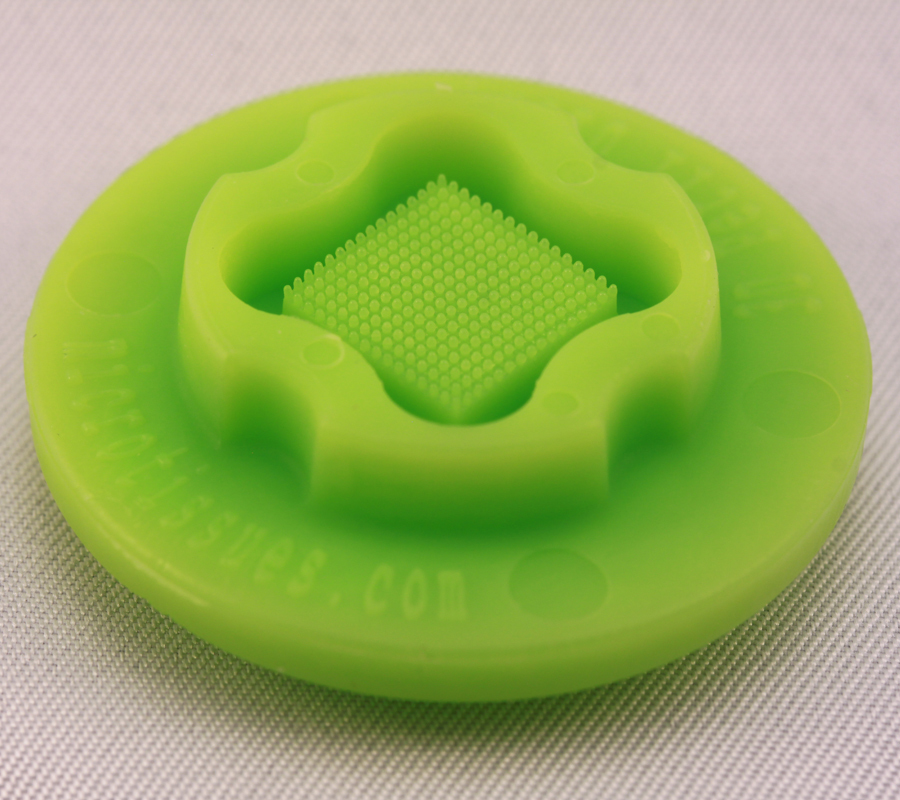
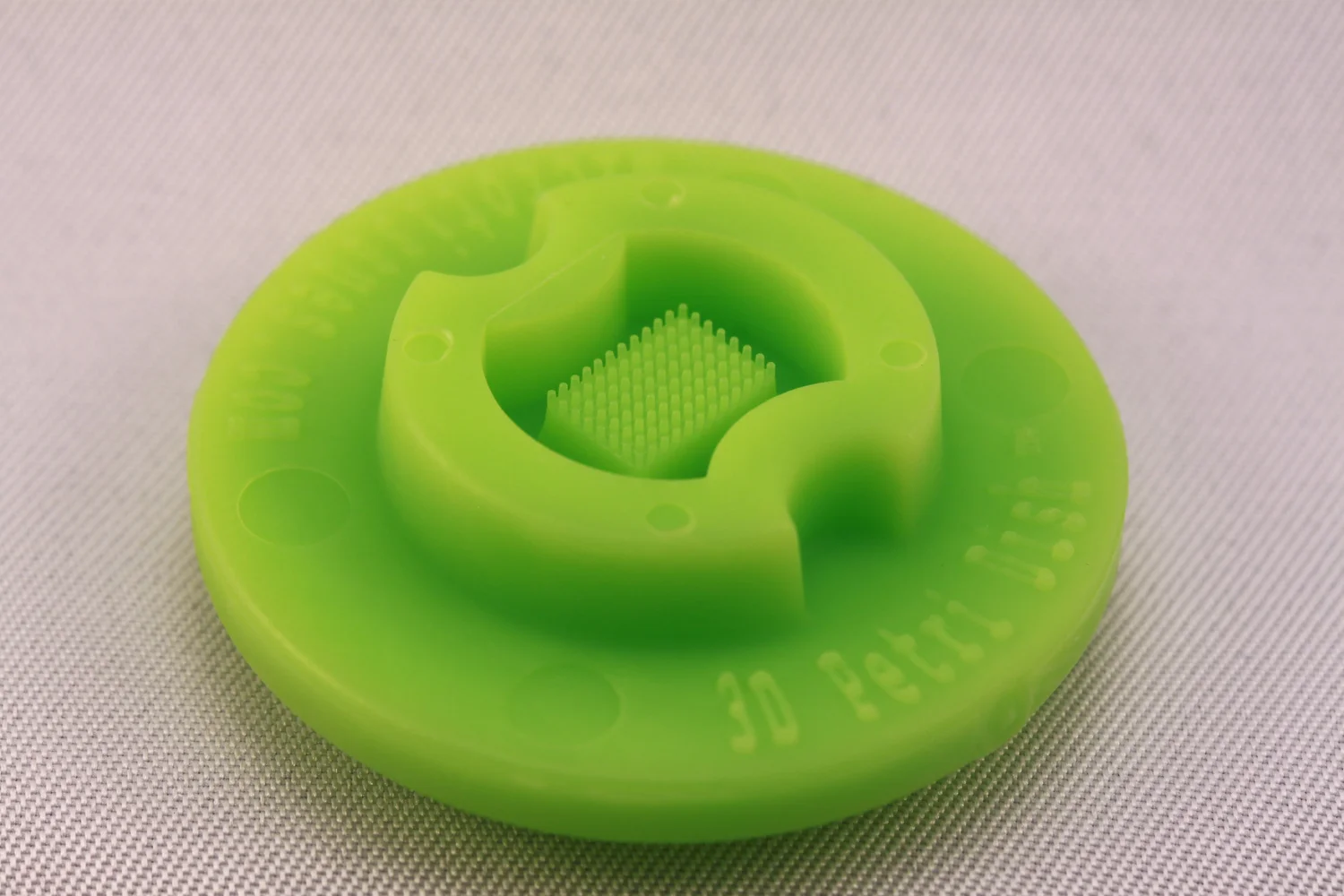
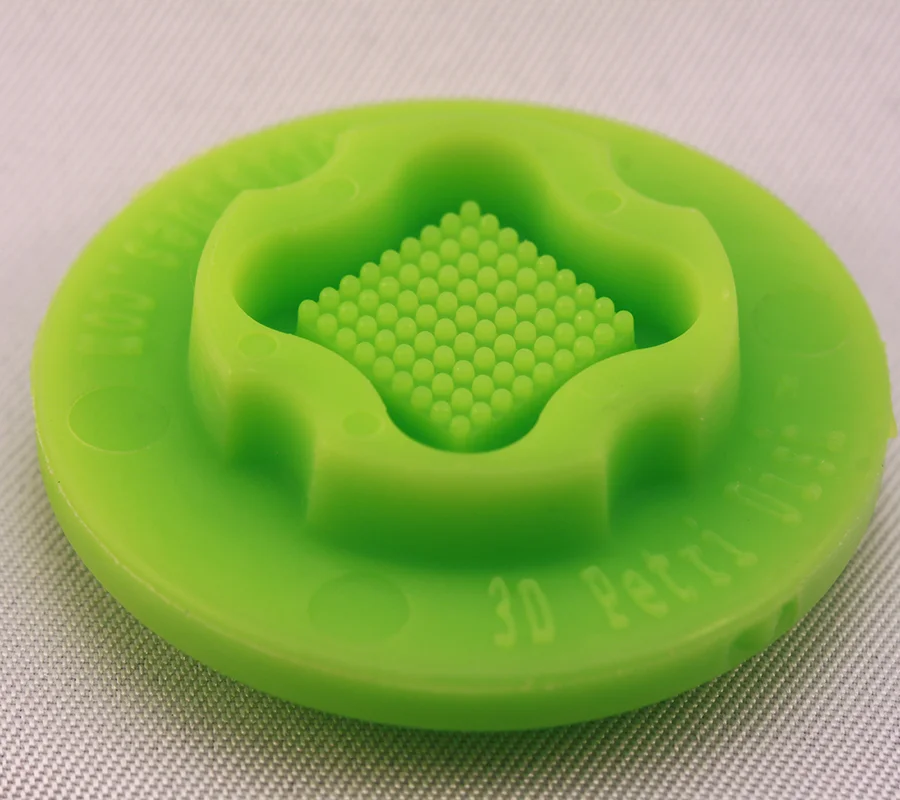
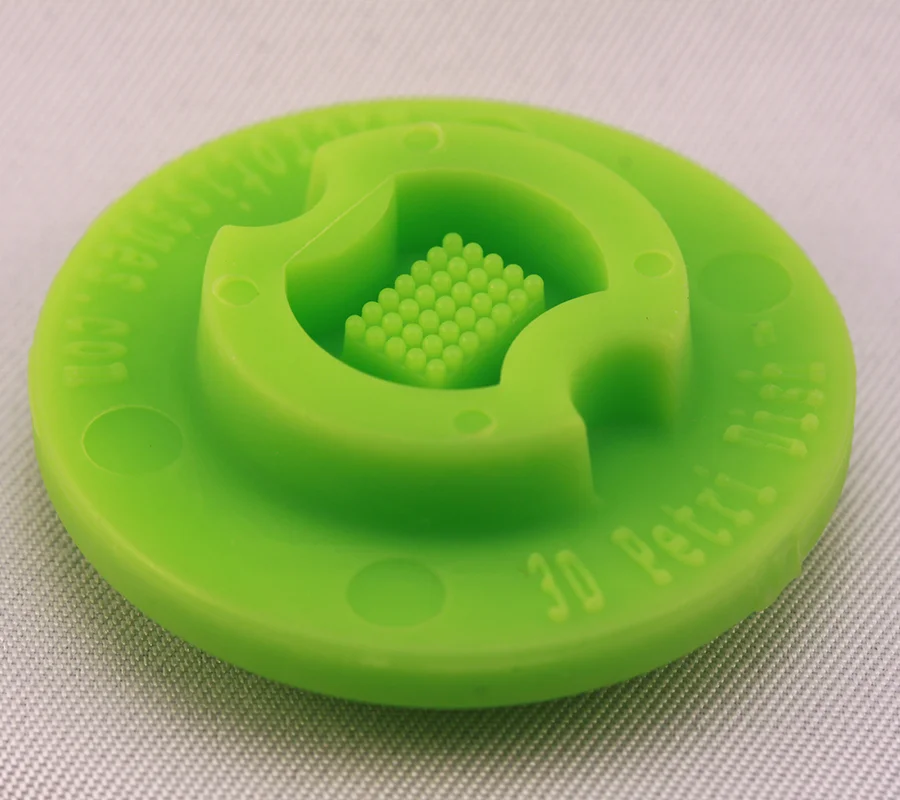
How 3D Petri Dish® Enabled This Research
Implications
This technology could enable non-invasive brain-machine interfaces and new treatments for neurological disorders without the need for gene therapy.
Key Discoveries
- NT-3DFG enables neural stimulation without genetic modification
- Energy requirement 10-100x lower than conventional photothermal methods
- Precise spatial control of neural activation
- Validated in 3D neural spheroids mimicking cortical tissue