Summary
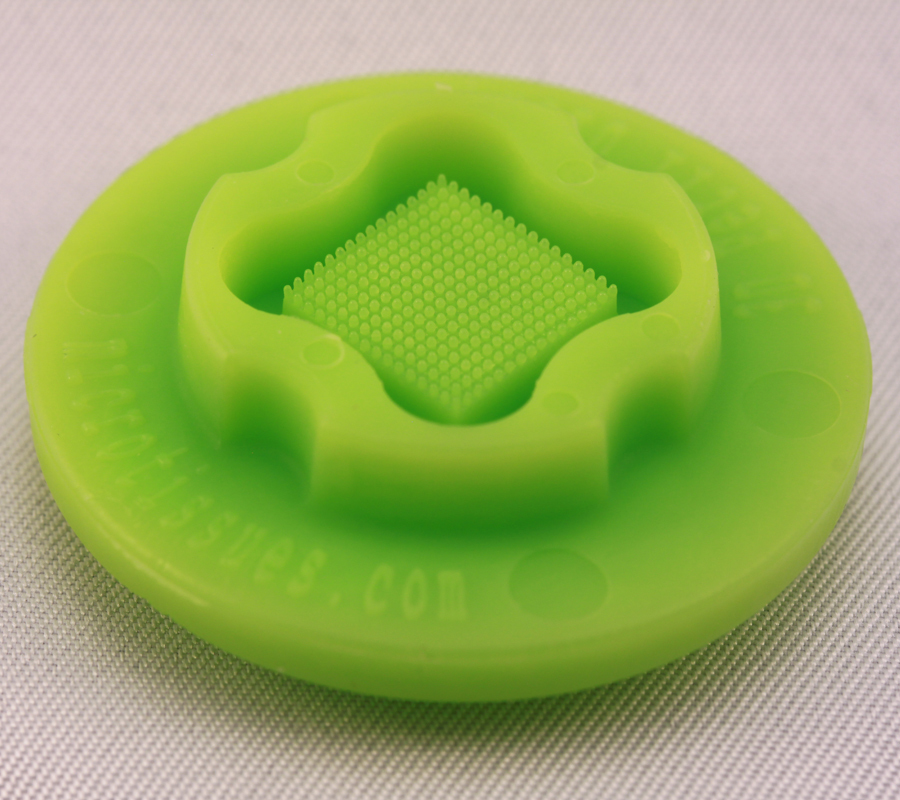
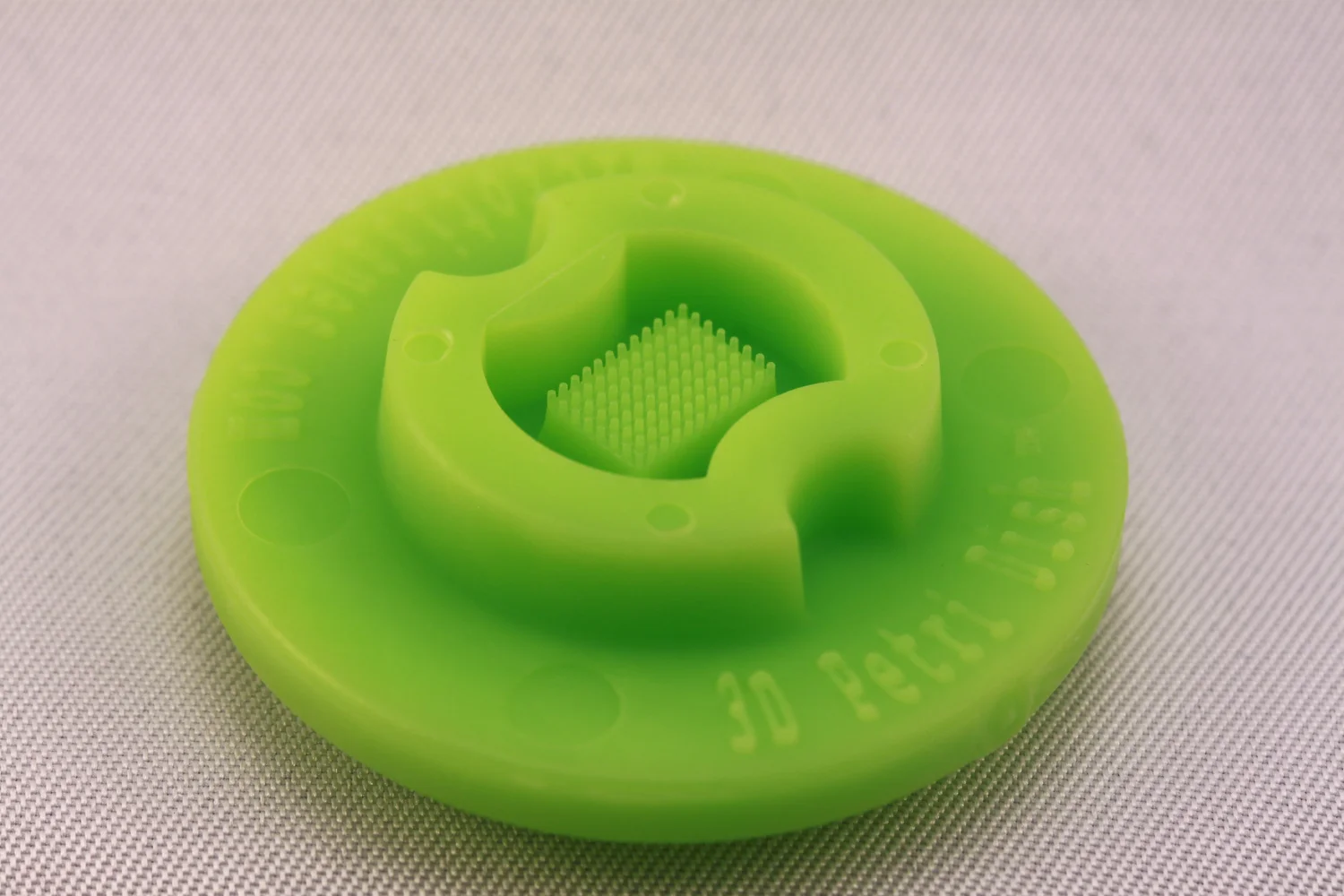
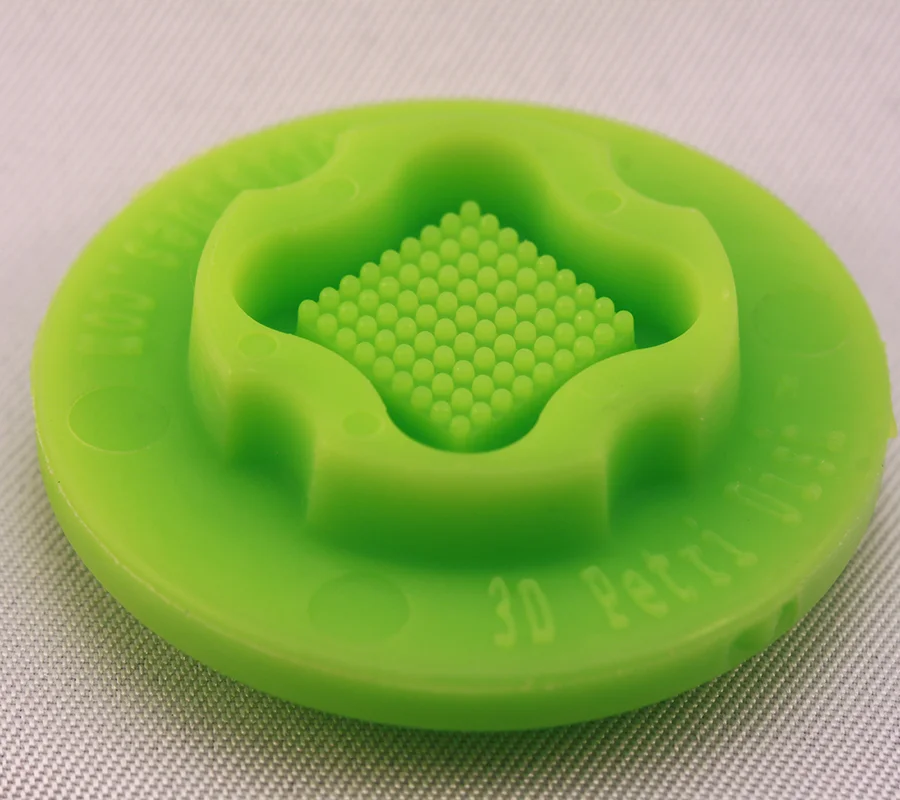
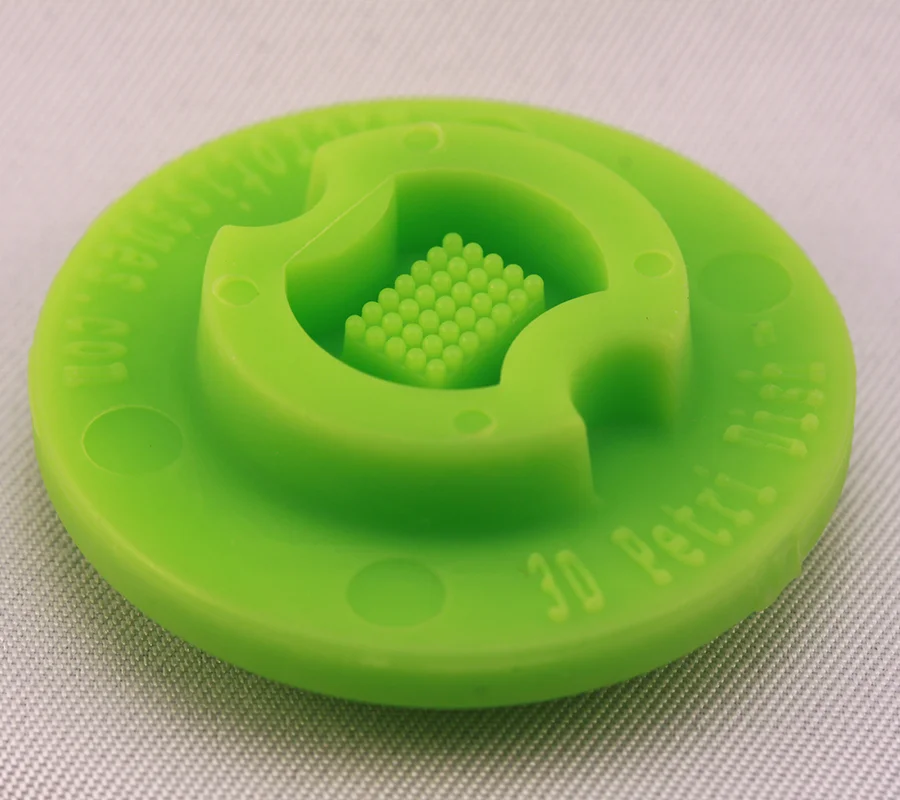
Published in CARTILAGE (2018), this peer-reviewed study used 3D Petri Dish® micro-molds to form scaffold-free 3D microtissues. Full citation: Omelyanenko, Nikolai P., et al. Extracellular Matrix Determines Biomechanical Properties of Chondrospheres during Their Maturation In Vitro
Extracellular Matrix Determines Biomechanical Properties of Chondrospheres during Their Maturation In Vitro
Research Overview
Chondrospheres — tissue spheroids biofabricated from chondrocytes — are already used in cartilage-repair clinical trials, yet their biomechanical properties had not been systematically characterized. This study followed chondrospheres through long-term culture, measuring morphometric change, biomechanical integrity, and both fusion and spreading kinetics.
The increase in secant modulus of elasticity tracked strongly with synthesis and accumulation of extracellular matrix, and biomechanical properties interacted significantly with fusion kinetics but not spreading kinetics — identifying matrix accumulation as a main structural determinant of how chondrospheres stiffen and fuse.
Key Discoveries
- Chondrosphere stiffness (secant modulus) rose with extracellular matrix accumulation
- Biomechanical properties interacted with fusion kinetics but not spreading kinetics
- First systematic biomechanical characterization of clinically used chondrospheres