Summary
Published in ACS Applied Materials & Interfaces (2023), this peer-reviewed study used 3D Petri Dish® micro-molds to form scaffold-free 3D microtissues. Full citation: Soleimany, Amir, et al. Exploring Low-Power Single-Pulsed Laser-Triggered Two-Photon Photodynamic/Photothermal Combination Therapy Using a Gold Nanostar/Graphene Quantum Dot Nanohybrid
Exploring Low-Power Single-Pulsed Laser-Triggered Two-Photon Photodynamic/Photothermal Combination Therapy Using a Gold Nanostar/Graphene Quantum Dot Nanohybrid
Research Overview
Combining photodynamic and photothermal therapy is attractive because the two act synergistically under similar procedures, but clinical use is hampered by long treatments and the complexity of separate light sources. This study built a nanohybrid to solve that: thiolated chitosan-coated gold nanostars as the photothermal agent, paired with riboflavin-conjugated N,S-doped graphene quantum dots as a two-photon photosensitizer.
Because the gold nanostars’ localized surface plasmon resonance matched the two-photon absorption wavelength, the hybrid delivered combined therapy under a single low-power, pulsed laser — collapsing two modalities into one illumination step.
Key Discoveries
- Nanohybrid pairs gold nanostars with graphene quantum dot two-photon photosensitizer
- Plasmon resonance tuned to the two-photon absorption wavelength
- Combined photodynamic and photothermal therapy from a single low-power pulsed laser
Recommended Products
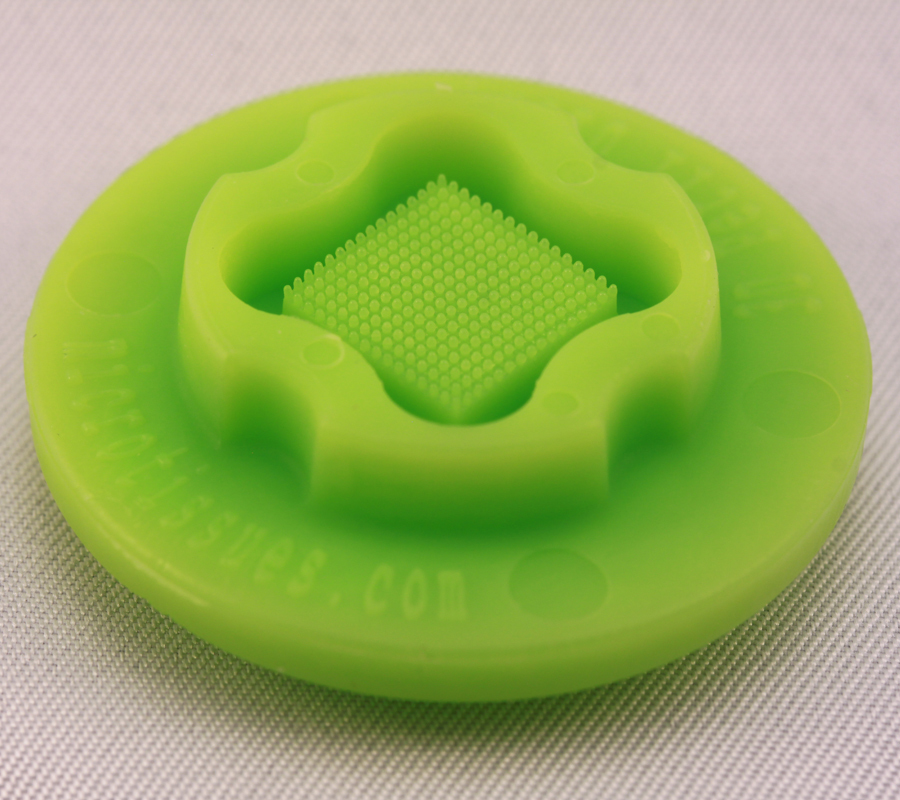
12-256 Small Spheroids
12-well plates · $575
View 12-256 →
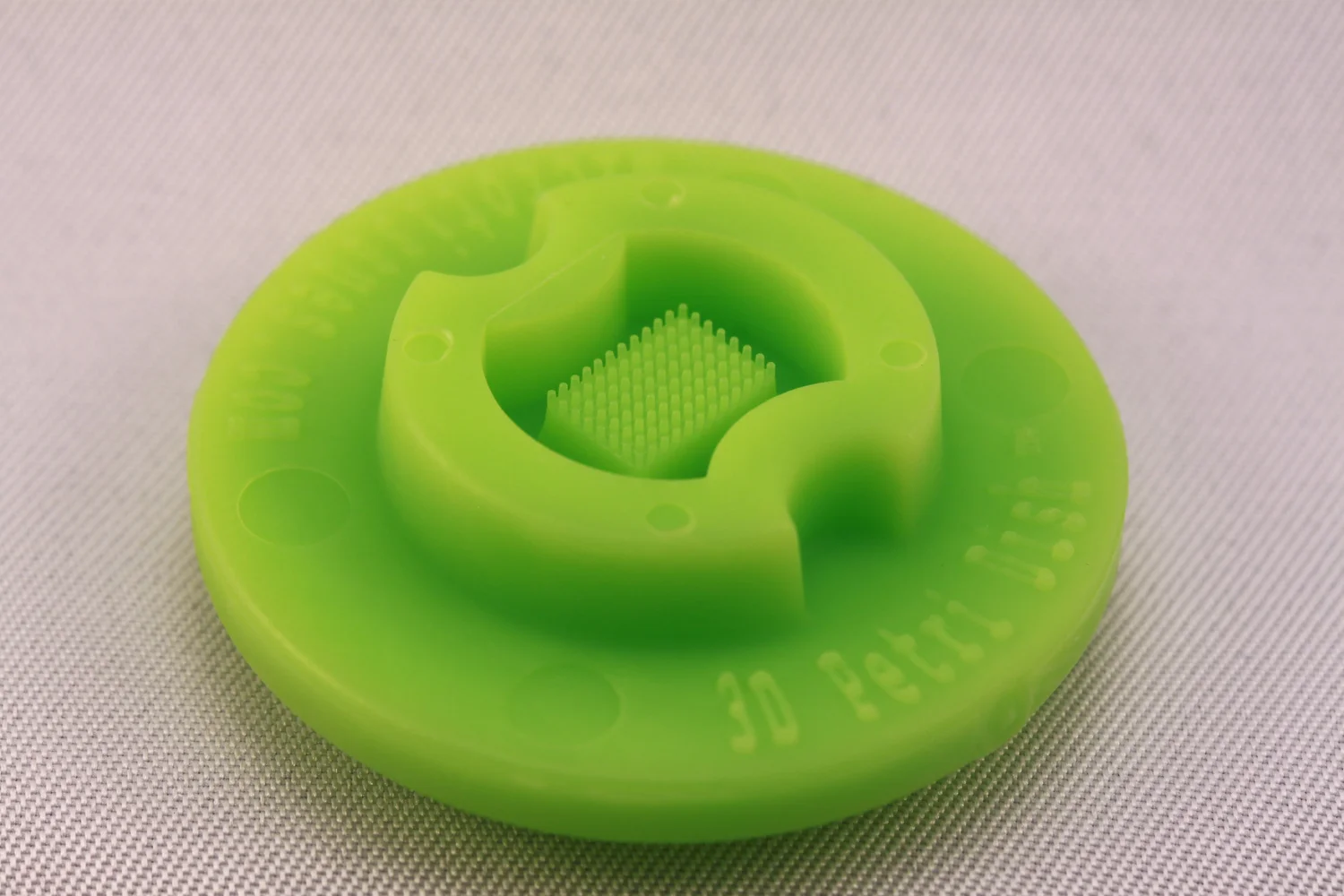
24-96 Small Spheroids
24-well plates · $575
View 24-96 →
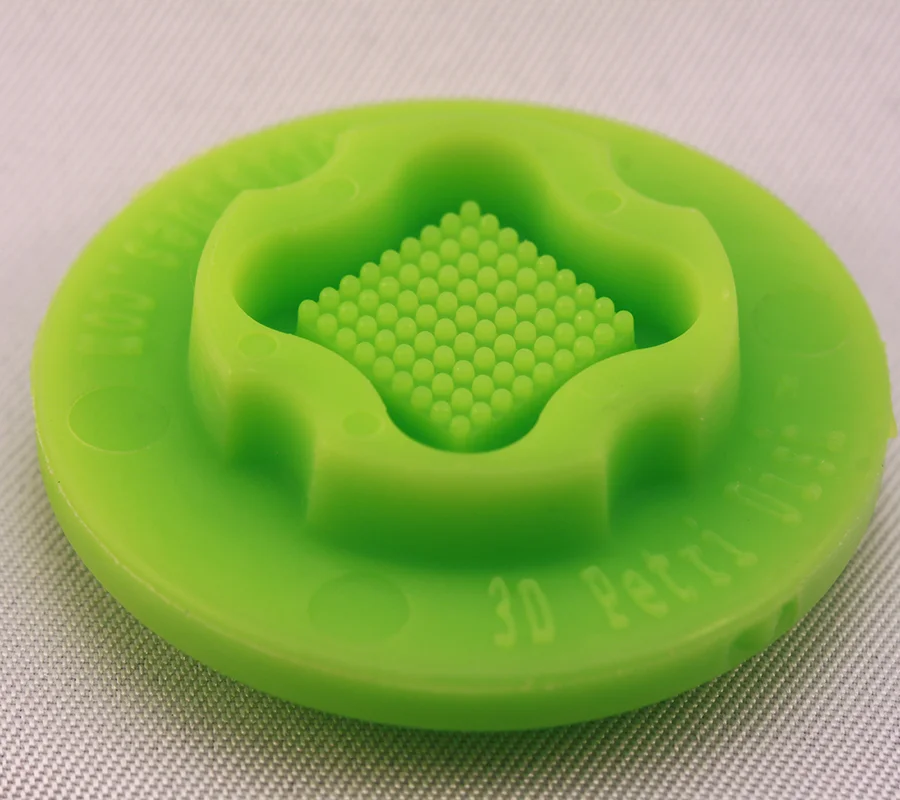
12-81 Large Spheroids
12-well plates · $575
View 12-81 →
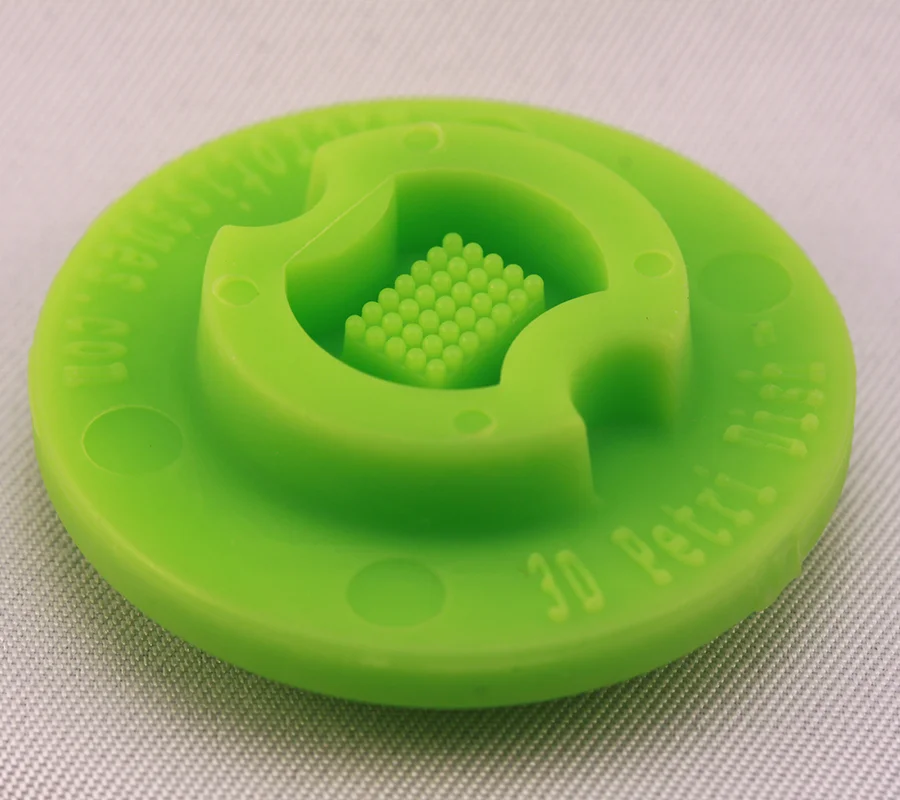
24-35 Large Spheroids
24-well plates · $575
View 24-35 →
Frequently Asked Questions
What research areas use 3D Petri Dish® micro-molds?Researchers across oncology, cardiac, neuroscience, hepatic, dental, and many other fields use 3D Petri Dish® micro-molds. The system is versatile enough to work with virtually any adherent cell type to create standardized 3D microtissues.How do 3D Petri Dish® micro-molds work?The micro-mold system uses non-adhesive agarose to create arrays of uniform recesses. When cells are seeded, they settle into these recesses and self-assemble into uniform 3D microtissues within 24 hours, without the need for specialized equipment or complex protocols.Why are 3D microtissues better than traditional 2D cell cultures?
3D microtissues formed using 3D Petri Dish® micro-molds better recapitulate the complex cell-cell interactions, extracellular matrix organization, and signaling gradients found in living tissues. This leads to more physiologically relevant results compared to growing cells on flat plastic surfaces, where cells often behave differently than they do in the body.