
Summary
Published in 2021 Medical Technologies Congress (TIPTEKNO) (2021), this peer-reviewed study used 3D Petri Dish® micro-molds to form scaffold-free 3D microtissues. Full citation: Cevik, Ziysan Buse, et al. Evaluation Of ATP Production Of Low Level Laser Therapy In Monolayer And 3 Dimensional Cell Culture
Evaluation Of ATP Production Of Low Level Laser Therapy In Monolayer And 3 Dimensional Cell Culture
Research Overview
Low-level laser therapy promotes cell proliferation, stimulates osteogenesis, and aids bone healing, with ATP levels proposed as the mechanism behind its osteogenic effects. This study evaluated 655 nm and 808 nm lasers at 1, 3, and 5 J/cm² and compared ATP production between conventional monolayers and scaffold-free 3D microtissues.
Wound-healing responses were assessed in the monolayer system, while the monolayer-versus-3D comparison in HUVEC and human bone marrow stromal cell co-culture clarified how culture dimensionality affects the ATP response to photobiomodulation.
Key Discoveries
- 655 nm and 808 nm laser doses (1-5 J/cm²) compared for ATP production
- ATP responses measured in monolayers versus scaffold-free 3D microtissues
- Studied in HUVEC/human bone marrow stromal cell co-culture relevant to bone healing
Recommended Products
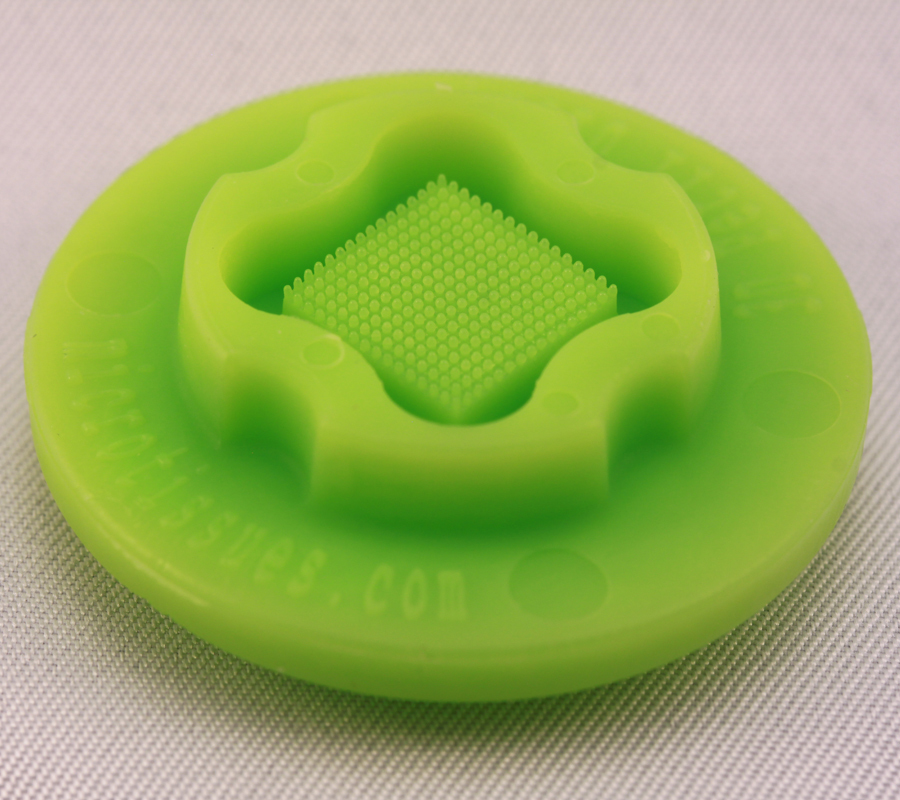
12-256 Small Spheroids
12-well plates · $575
View 12-256 →
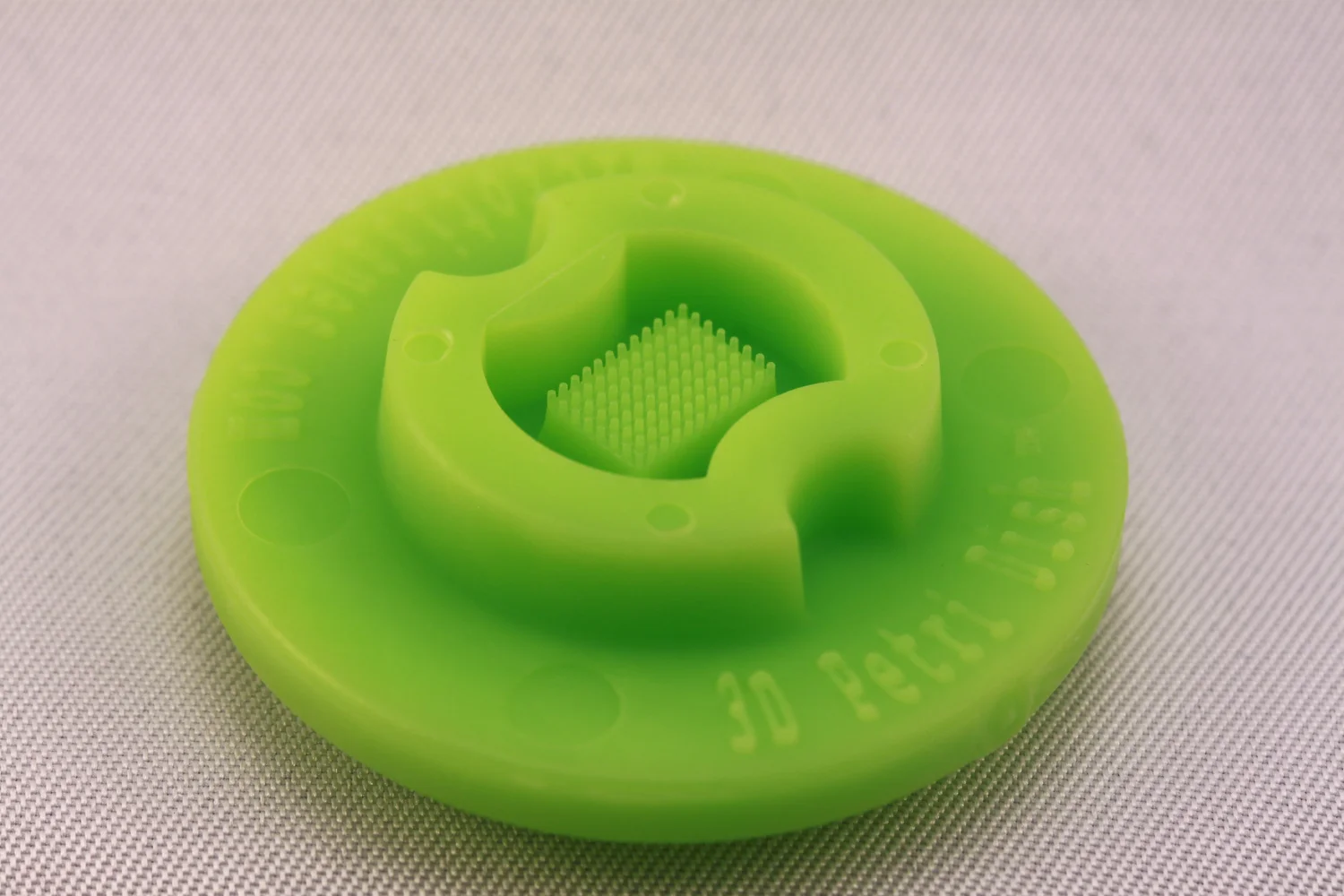
24-96 Small Spheroids
24-well plates · $575
View 24-96 →
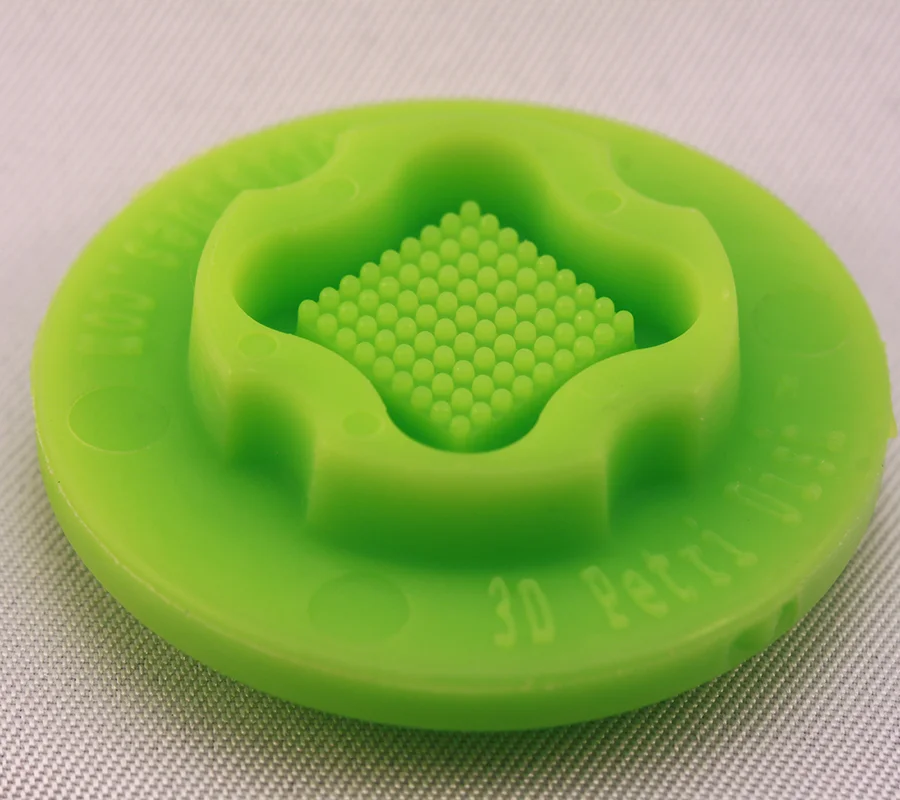
12-81 Large Spheroids
12-well plates · $575
View 12-81 →
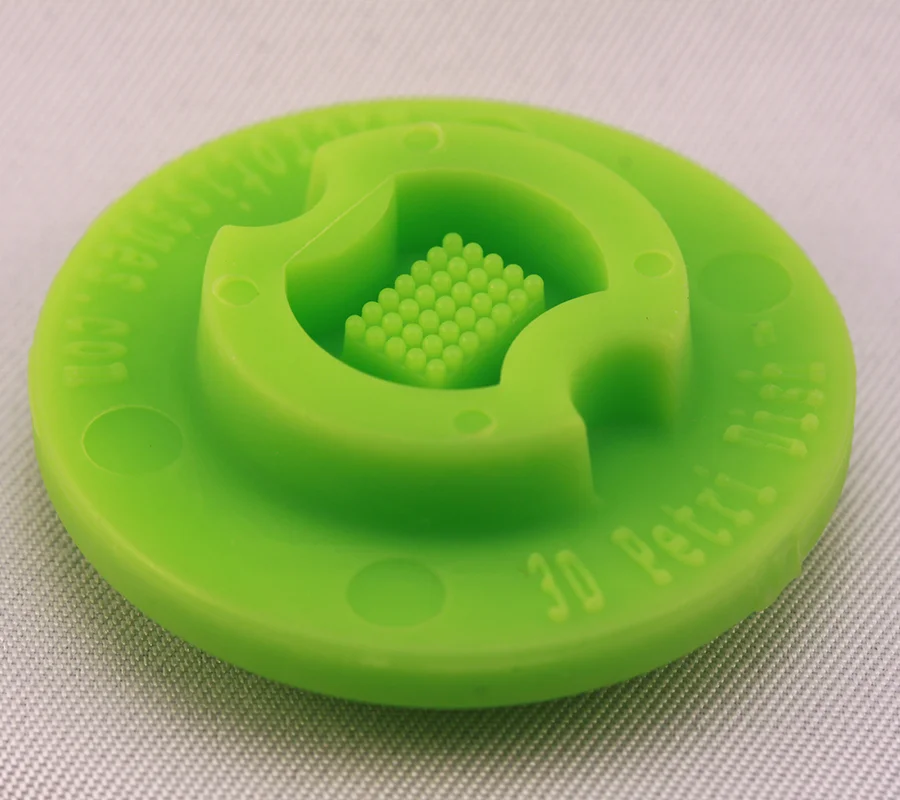
24-35 Large Spheroids
24-well plates · $575
View 24-35 →
Frequently Asked Questions
Citation: Cevik, Z.B. et al. Evaluation of ATP production of low level laser therapy in monolayer and 3 dimensional cell culture. Med Tech Congress 20213D Petri Dish® ApplicationThe 3D Petri Dish® micro-mold system enabled the formation of uniform microtissues with reproducible size and cell composition. These standardized 3D models provided a physiologically relevant platform that better recapitulates in vivo tissue architecture compared to traditional 2D cell culture approaches.Frequently Asked QuestionsWhat research areas use 3D Petri Dish® micro-molds?
Researchers across oncology, cardiac, neuroscience, hepatic, dental, and many other fields use 3D Petri Dish® micro-molds. The system is versatile enough to work with virtually any adherent cell type to create standardized 3D microtissues.