Summary
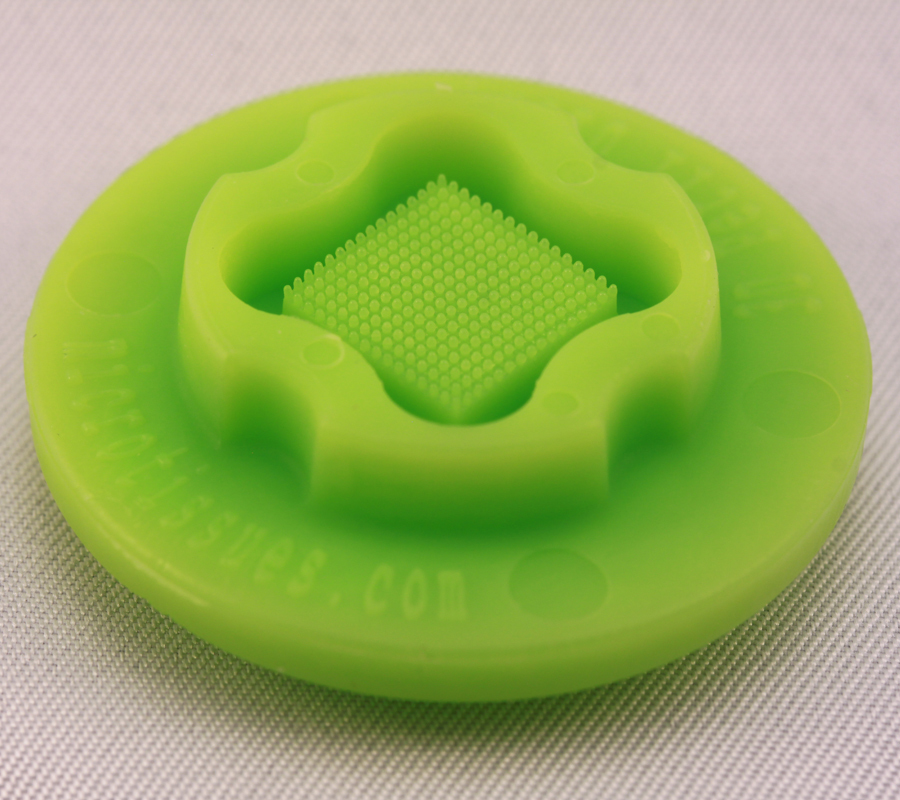
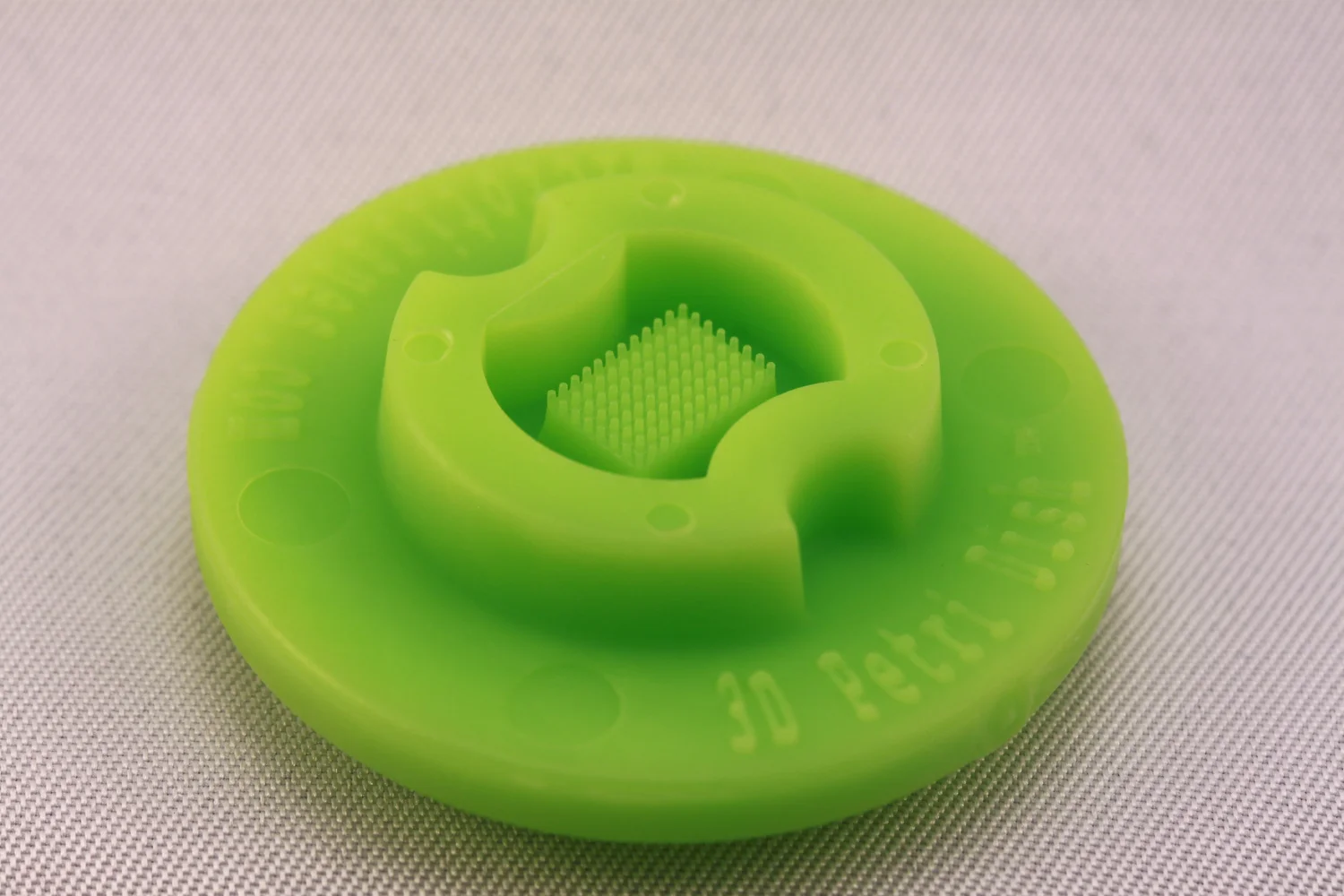
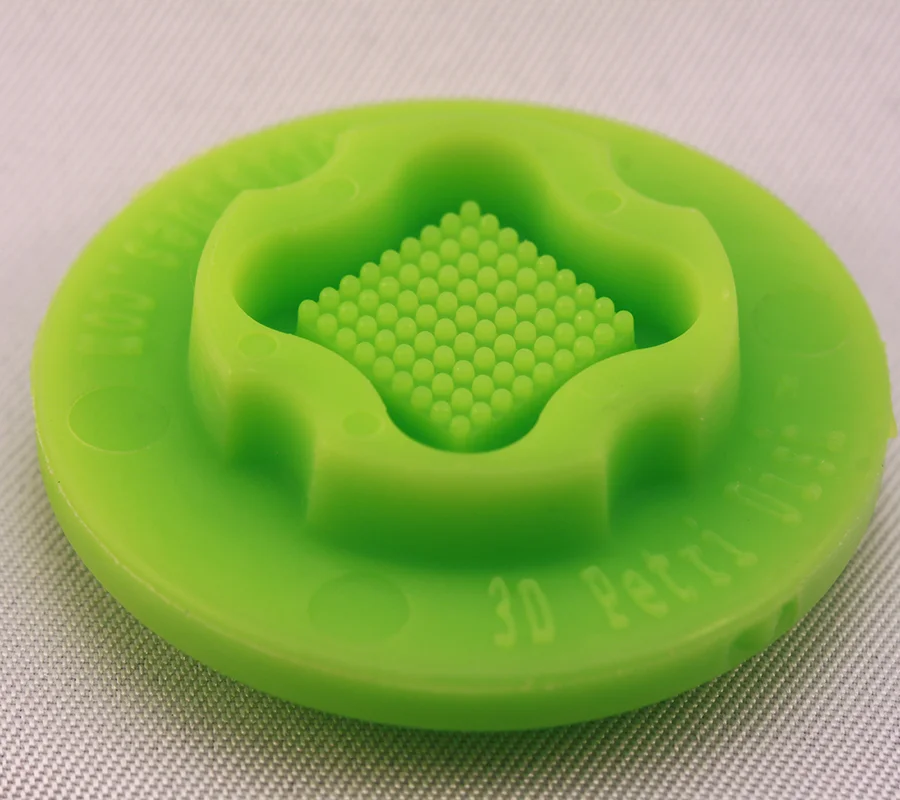
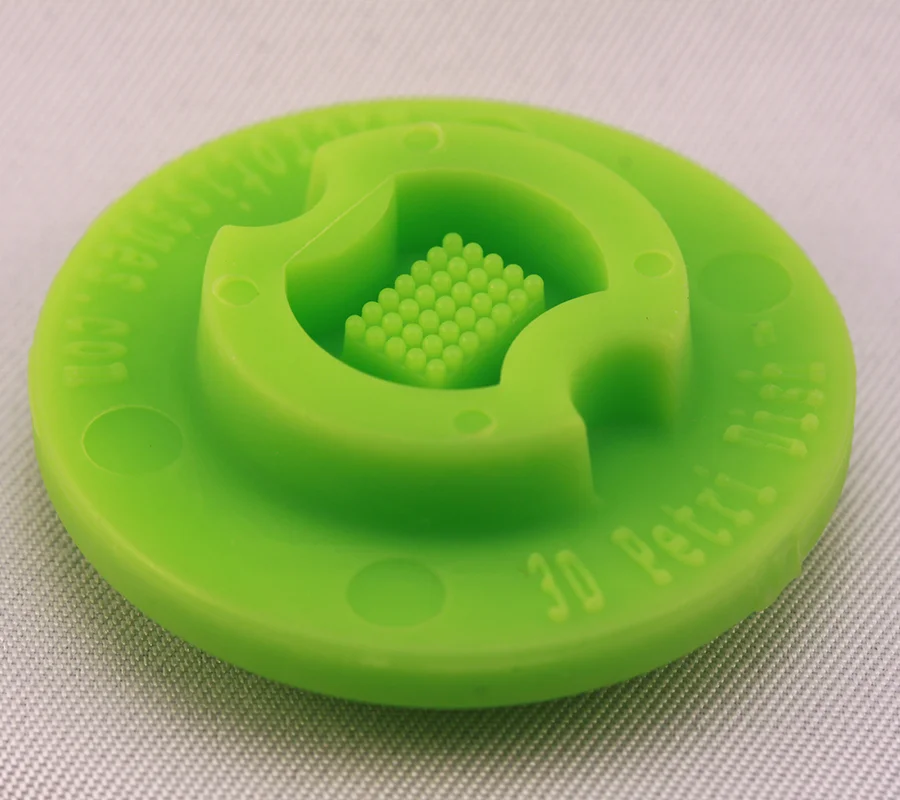
Published in Soft Matter (2021), this peer-reviewed study used 3D Petri Dish® micro-molds to form scaffold-free 3D microtissues. Full citation: Proestaki, Maria, et al. Effect of matrix heterogeneity on cell mechanosensing
Effect of matrix heterogeneity on cell mechanosensing
Research Overview
Cells read mechanical signals from the extracellular matrix, most familiarly stiffness — but stiffness is not a single number. Randomness in the fibrous structure makes cell-scale stiffness vary by more than an order of magnitude, and the matrix also contains ducts, blood vessels, and, in cancer or fibrosis, abnormally stiff regions. Whether a cell can detect such a feature above that structural noise was unclear.
Combining experiments with modeling, this study asked how far matrix heterogeneity disrupts a cell’s ability to sense a locally stiff feature, finding that at the scale of a single cell spatial heterogeneity substantially confounds the signal.
Key Discoveries
- Random fibrous structure makes cell-scale matrix stiffness vary by over an order of magnitude
- Experiments and modeling combined to test detection of a locally stiff feature
- At single-cell scale, spatial heterogeneity substantially disrupts mechanosensing of stiff features