Summary
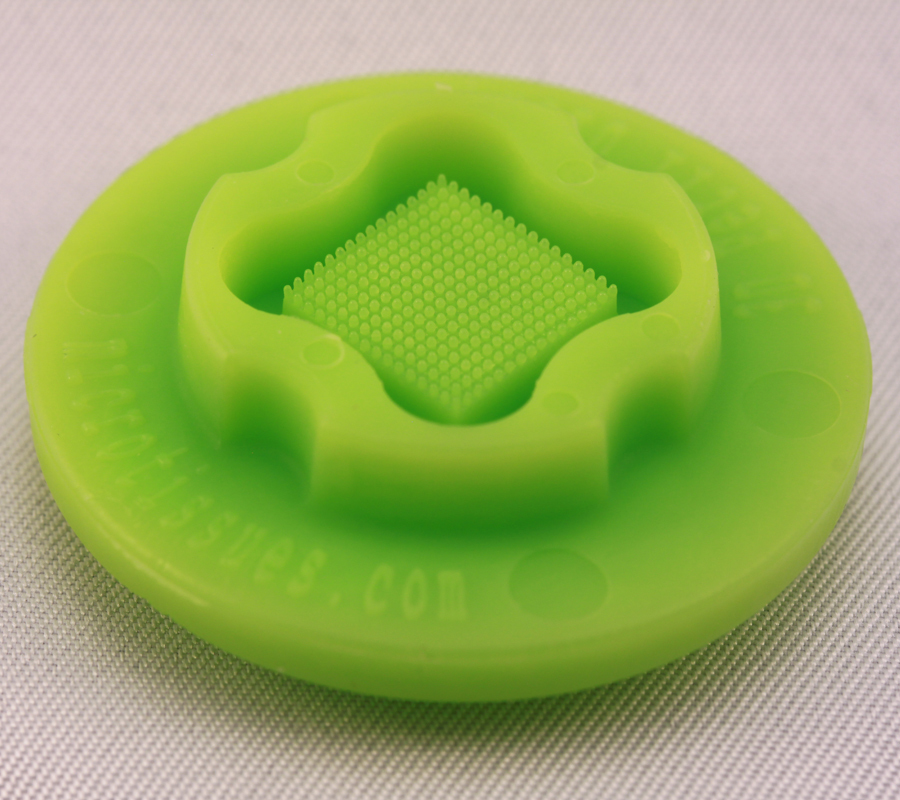
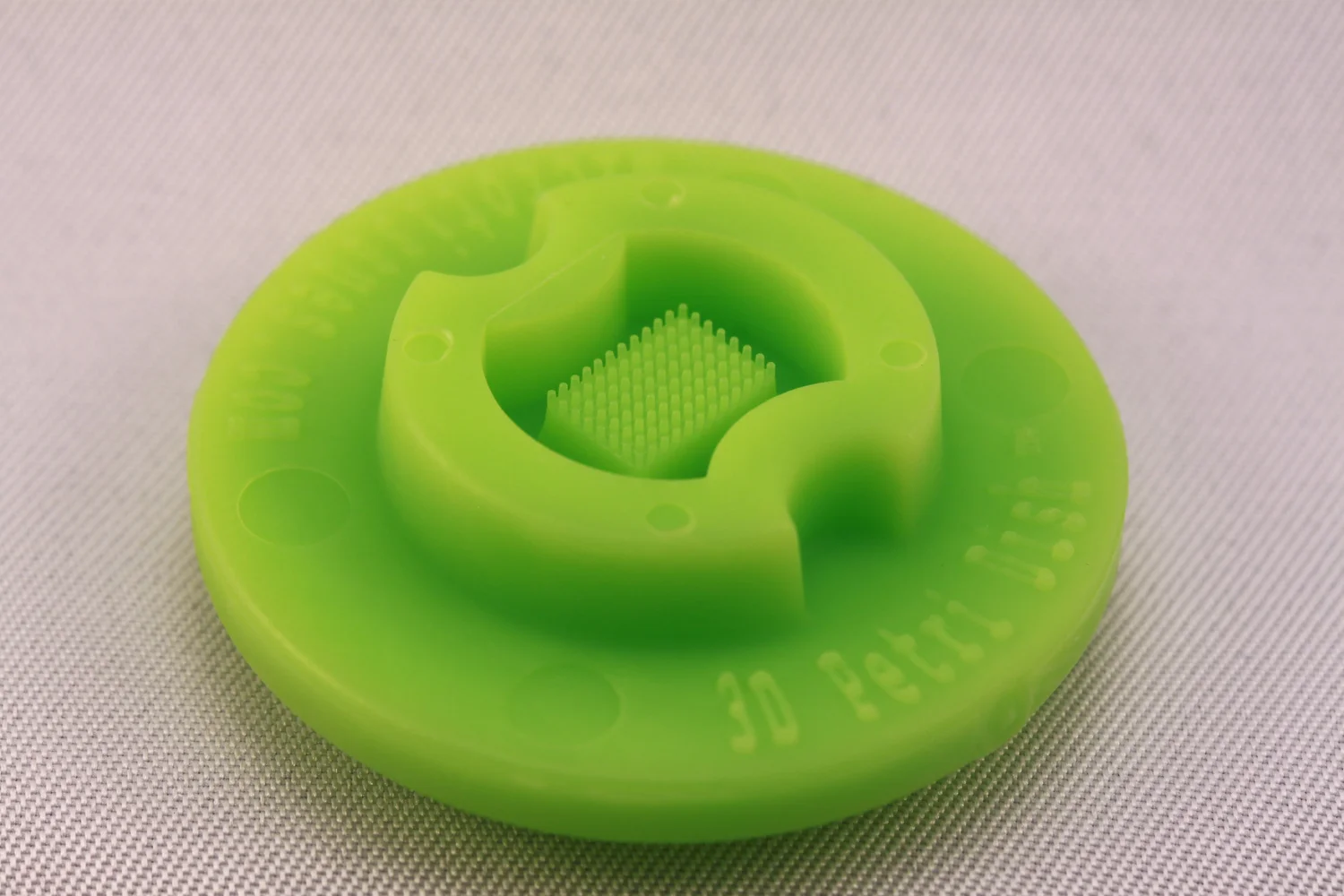
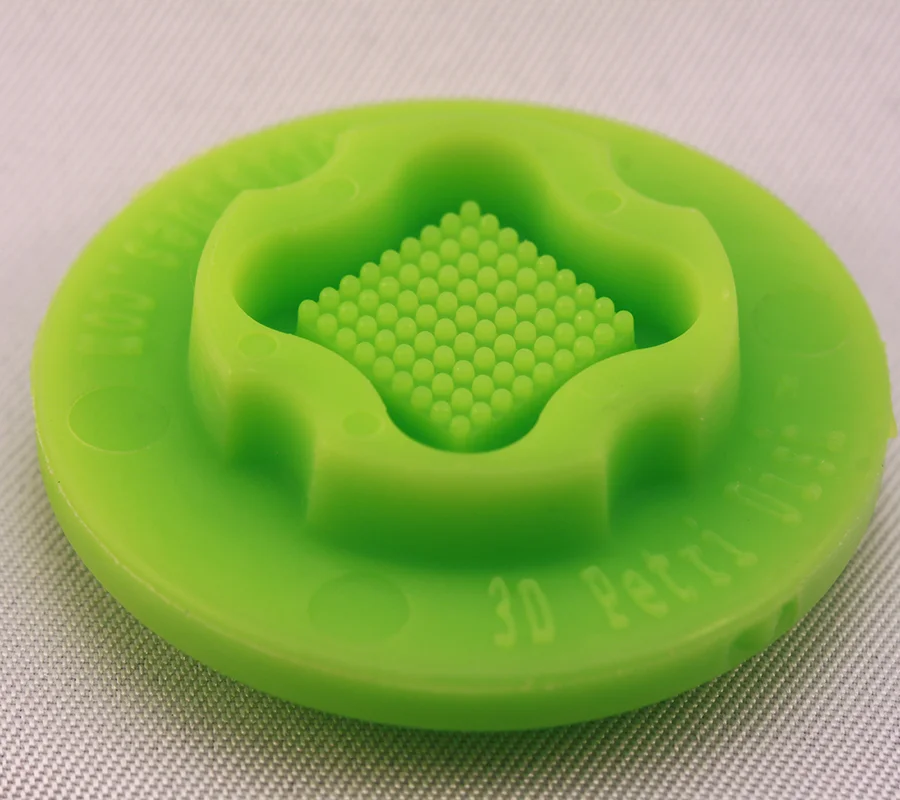
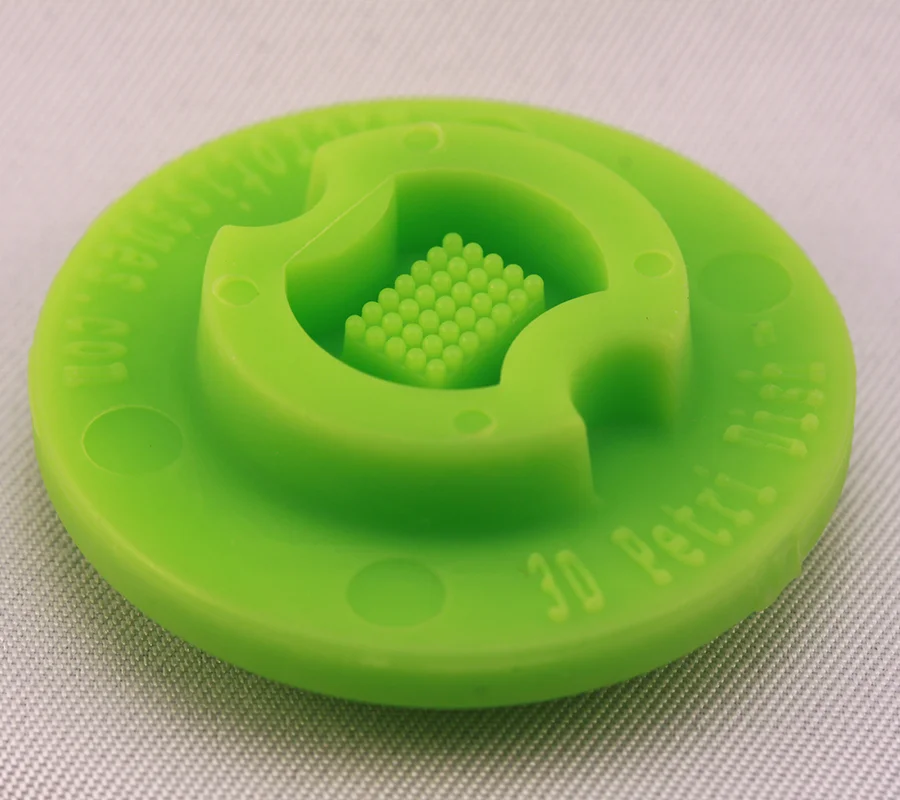
Published in EBioMedicine (2018), this peer-reviewed study used 3D Petri Dish® micro-molds to form scaffold-free 3D microtissues. Full citation: Xie, Guoxiang, et al. Dysregulated bile acid signaling contributes to the neurological impairment in murine models of acute and chronic liver failure
Dysregulated bile acid signaling contributes to the neurological impairment in murine models of acute and chronic liver failure
Research Overview
Hepatic encephalopathy (HE), a severe neuropsychiatric complication of liver disease, is associated with elevated blood ammonia and bile acids. This study asked whether the abnormally high blood bile acids in cirrhotic patients with HE come from increased reabsorption via the apical sodium-dependent bile acid transporter (ASBT), and whether increased reabsorption worsens ammonia-induced brain injury.
Blood bile acid and ammonia levels were measured in cirrhosis patients with and without HE and in healthy controls. ASBT expression, bile acid profiles, and ammonia were characterized in a streptozotocin-high fat diet chronic liver disease mouse model and an azoxymethane-induced acute liver failure model, which were then treated with the ASBT inhibitor SC-435 and with budesonide.
Key Discoveries
- Tests whether ASBT-mediated reabsorption drives high blood bile acids in cirrhosis with HE
- Patient cohorts with and without HE compared with healthy controls
- Two mouse liver-disease models treated with the ASBT inhibitor SC-435