Summary
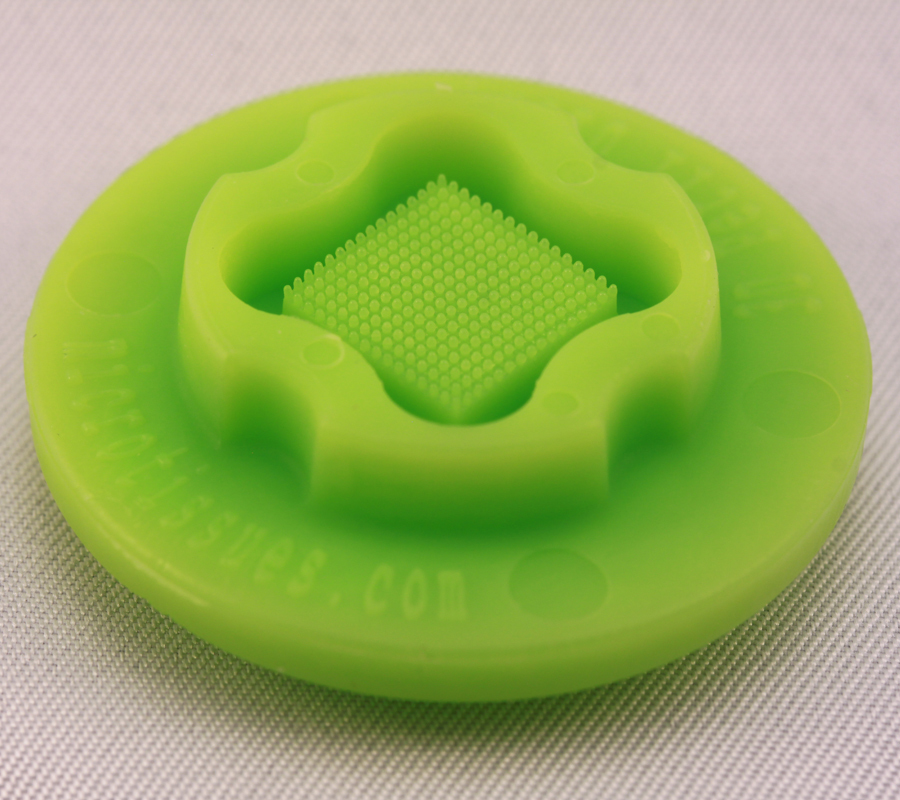
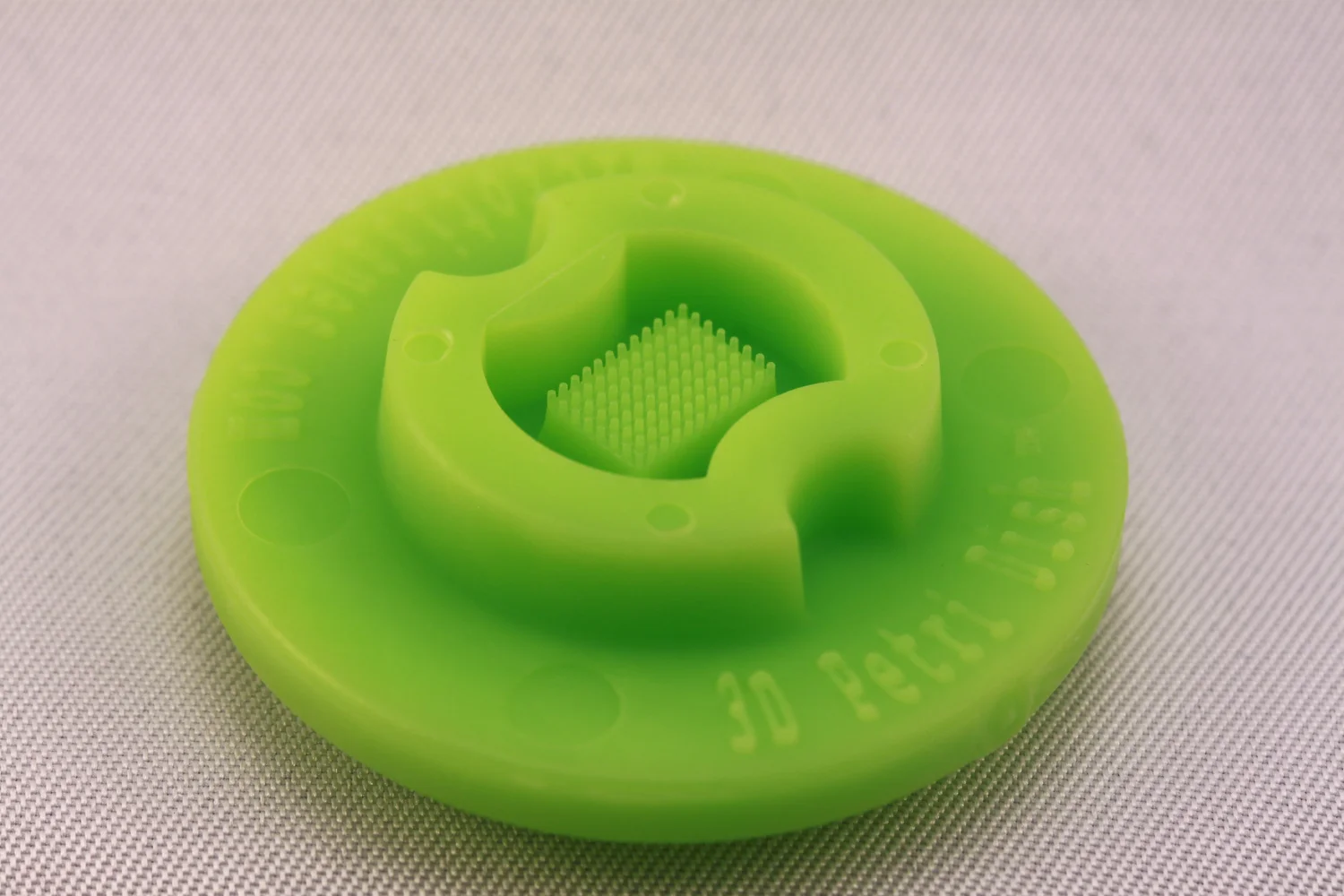
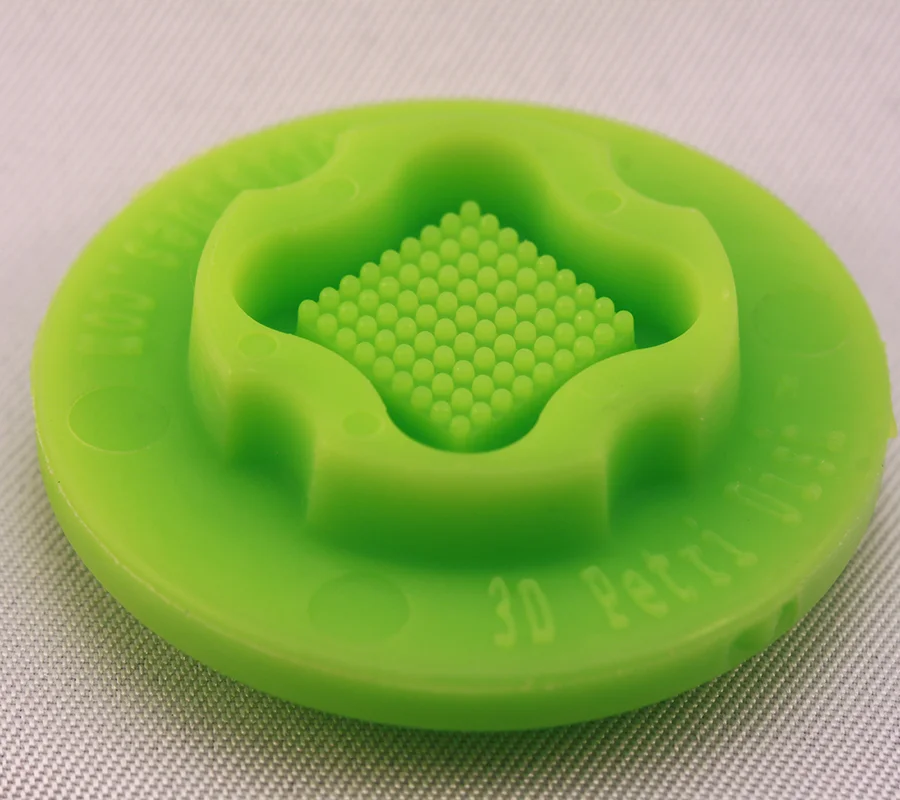
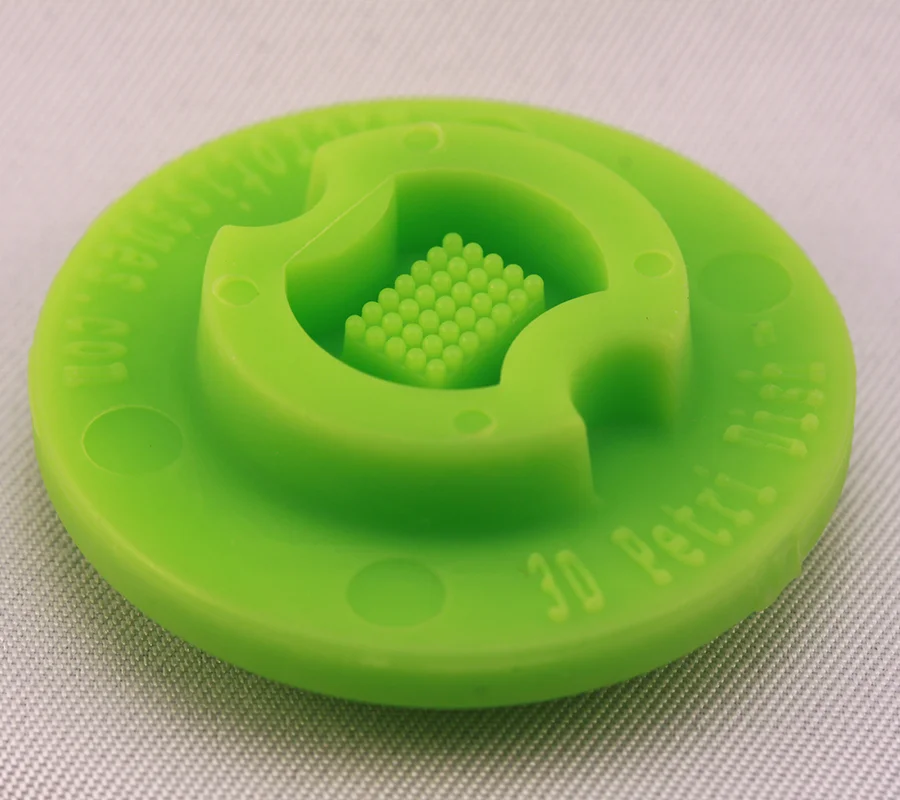
Published in BMC Oral Health (2018), this peer-reviewed study used 3D Petri Dish® micro-molds to form scaffold-free 3D microtissues. Full citation: Janjić, Klara, et al. Do hypoxia and L-mimosine modulate sclerostin and dickkopf-1 production in human dental pulp-derived cells? Insights from monolayer, spheroid and tooth slice cultures
Do hypoxia and L-mimosine modulate sclerostin and dickkopf-1 production in human dental pulp-derived cells? Insights from monolayer, spheroid and tooth slice cultures
Research Overview
How dental pulp responds to low oxygen matters for regenerative endodontics and dental trauma care. This study examined whether hypoxia and the hypoxia-mimetic L-mimosine change production of the Wnt inhibitors sclerostin and dickkopf-1 in human dental pulp-derived cells, using monolayer, spheroid, and tooth-slice cultures.
Viability was confirmed by resazurin and MTT assays; sclerostin and DKK-1 were measured by qRT-PCR and ELISA; and SDF-1, VEGF, and IL-8 plus Western blots for HIF-1α, HIF-2α, and HIF-3α validated the hypoxia-like response — mapping how hypoxic signaling shifts Wnt regulation in pulp cells across three culture formats.
Key Discoveries
- Sclerostin and DKK-1 responses to hypoxia measured across monolayer, spheroid, and tooth-slice cultures
- Hypoxia-like response validated via SDF-1, VEGF, IL-8 and HIF-1α/2α/3α Western blots
- Relevant to regenerative endodontics and dental traumatology