Summary
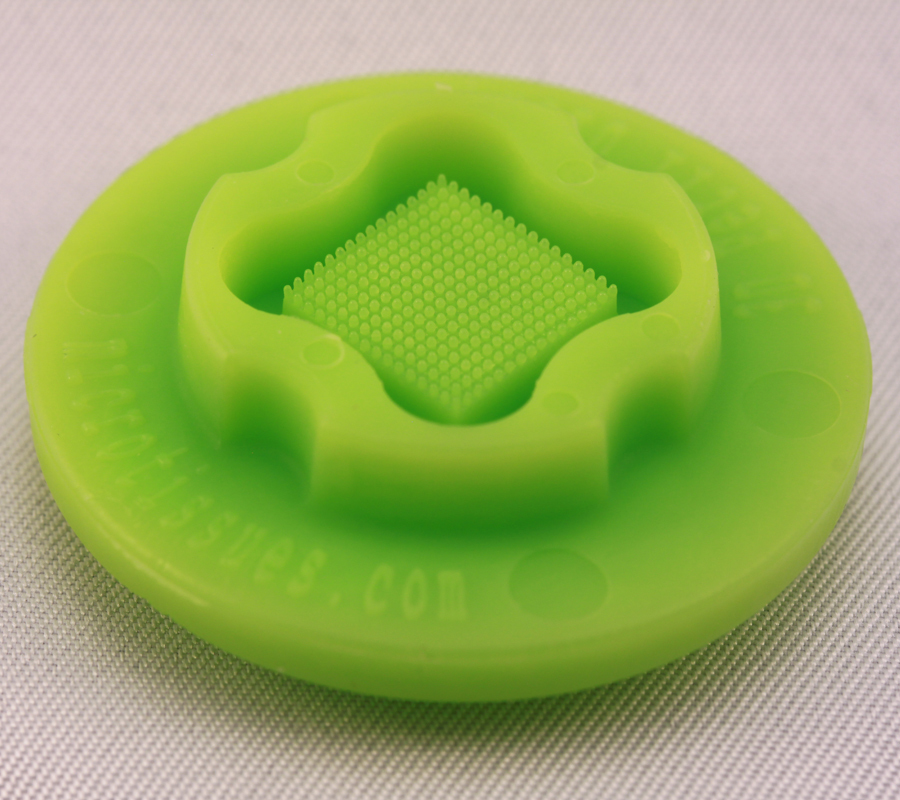
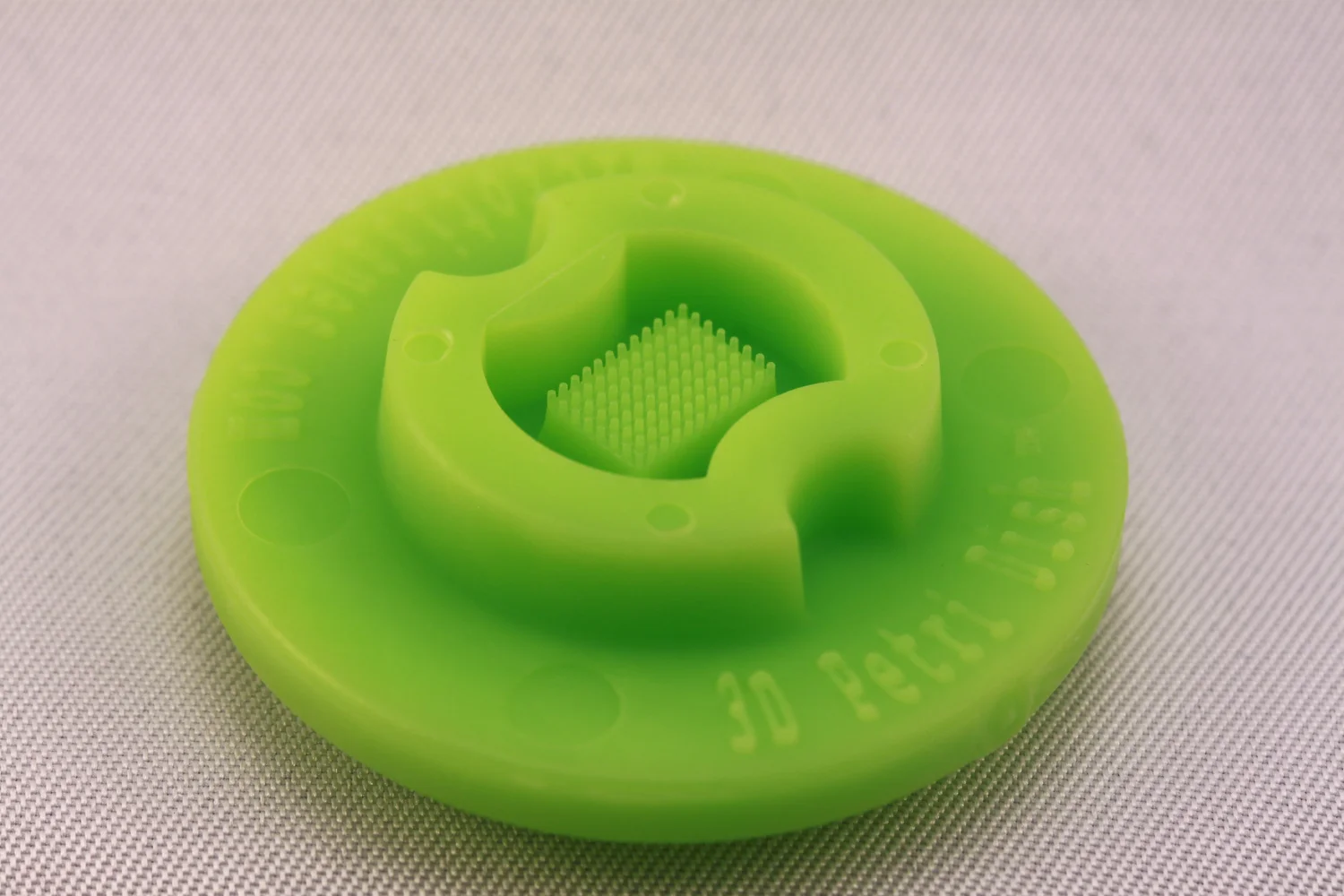
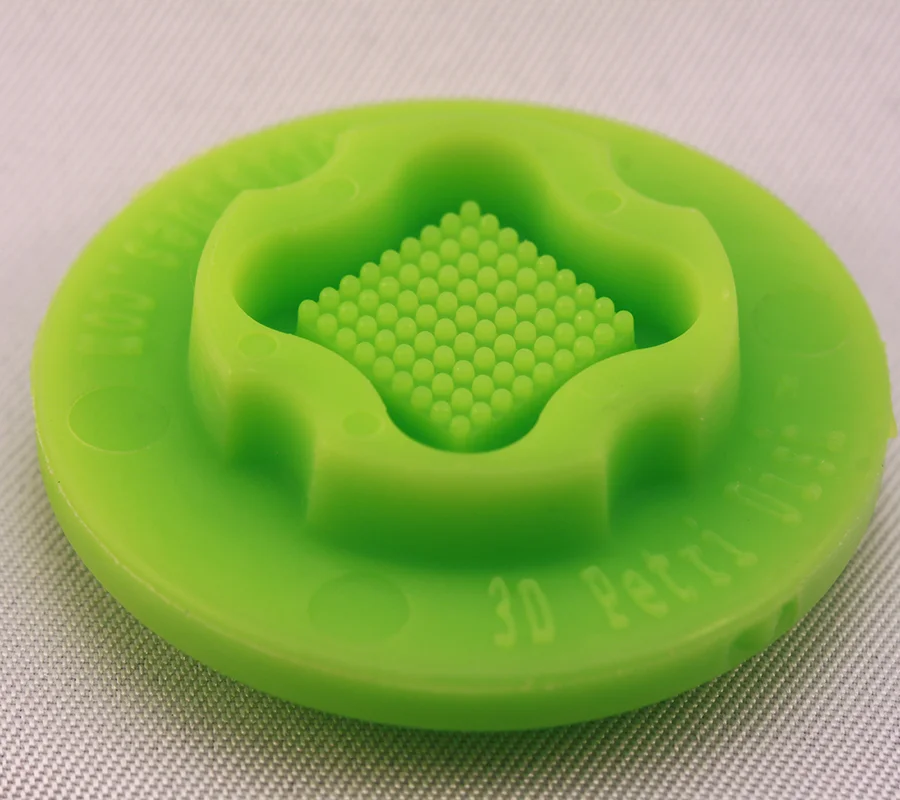
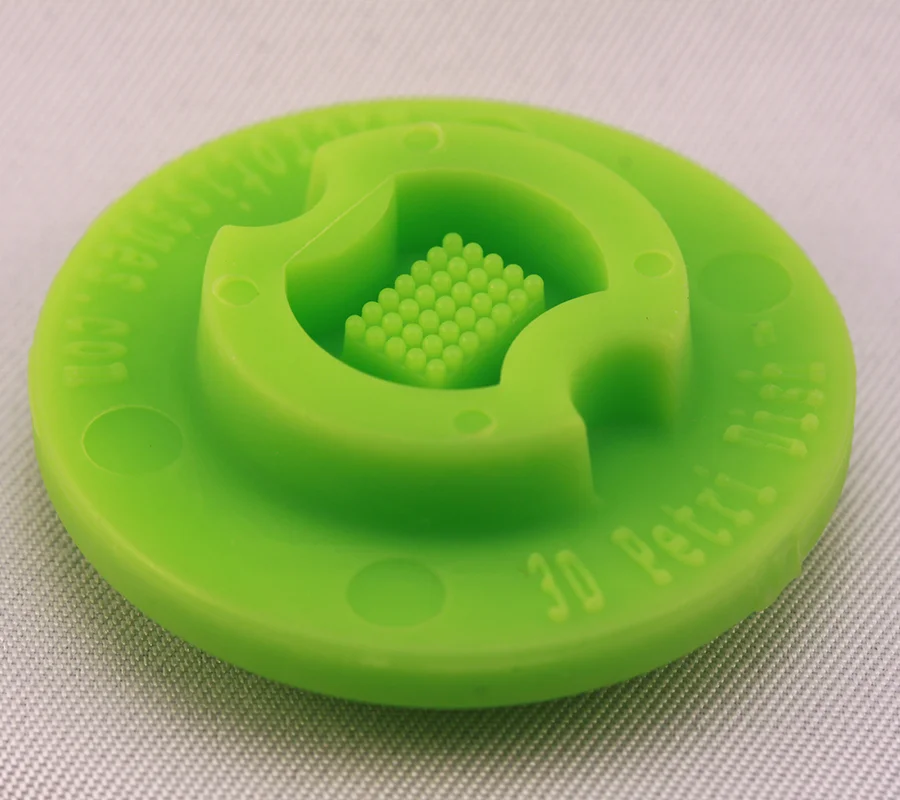
Published in Biosensors and Bioelectronics (2025), this peer-reviewed study used 3D Petri Dish® micro-molds to form scaffold-free 3D microtissues. Full citation: Omidi, Saeed, et al. Device for detection of activity-dependent changes in neural spheroids at MHz and GHz frequencies
Device for detection of activity-dependent changes in neural spheroids at MHz and GHz frequencies
Research Overview
Neural activity triggers intracellular changes — shifts in ionic concentration, protein release, synaptic vesicle cycling — that matter in neurological disorders and may mediate the benefits of brain stimulation. But label-free techniques for monitoring those intracellular changes have been lacking.
Electromagnetic waves above 1 MHz can probe intracellular contents because the cell membrane becomes effectively invisible at those frequencies, interacting instead with organelle membranes, proteins, and water in the MHz-GHz range. This study developed a device exploiting that physics to detect activity-dependent intracellular change without labels.
Key Discoveries
- Device uses MHz-GHz electromagnetic waves to probe intracellular contents label-free
- Cell membrane becomes effectively transparent above 1 MHz, exposing organelles and proteins
- Targets activity-dependent intracellular changes relevant to neurological disorders