Summary
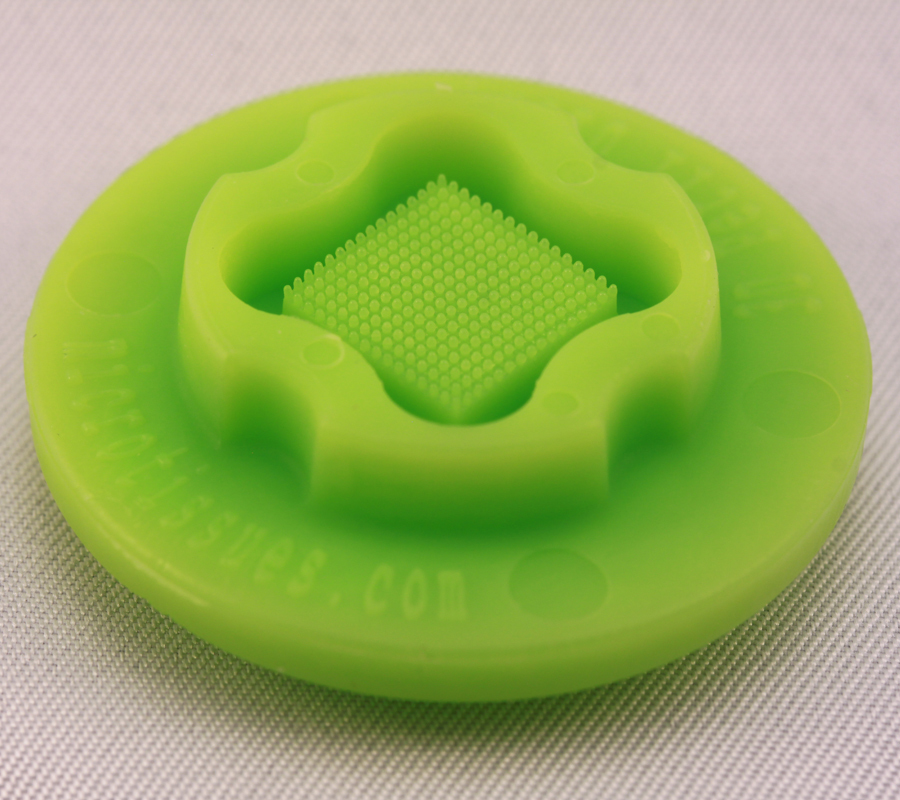
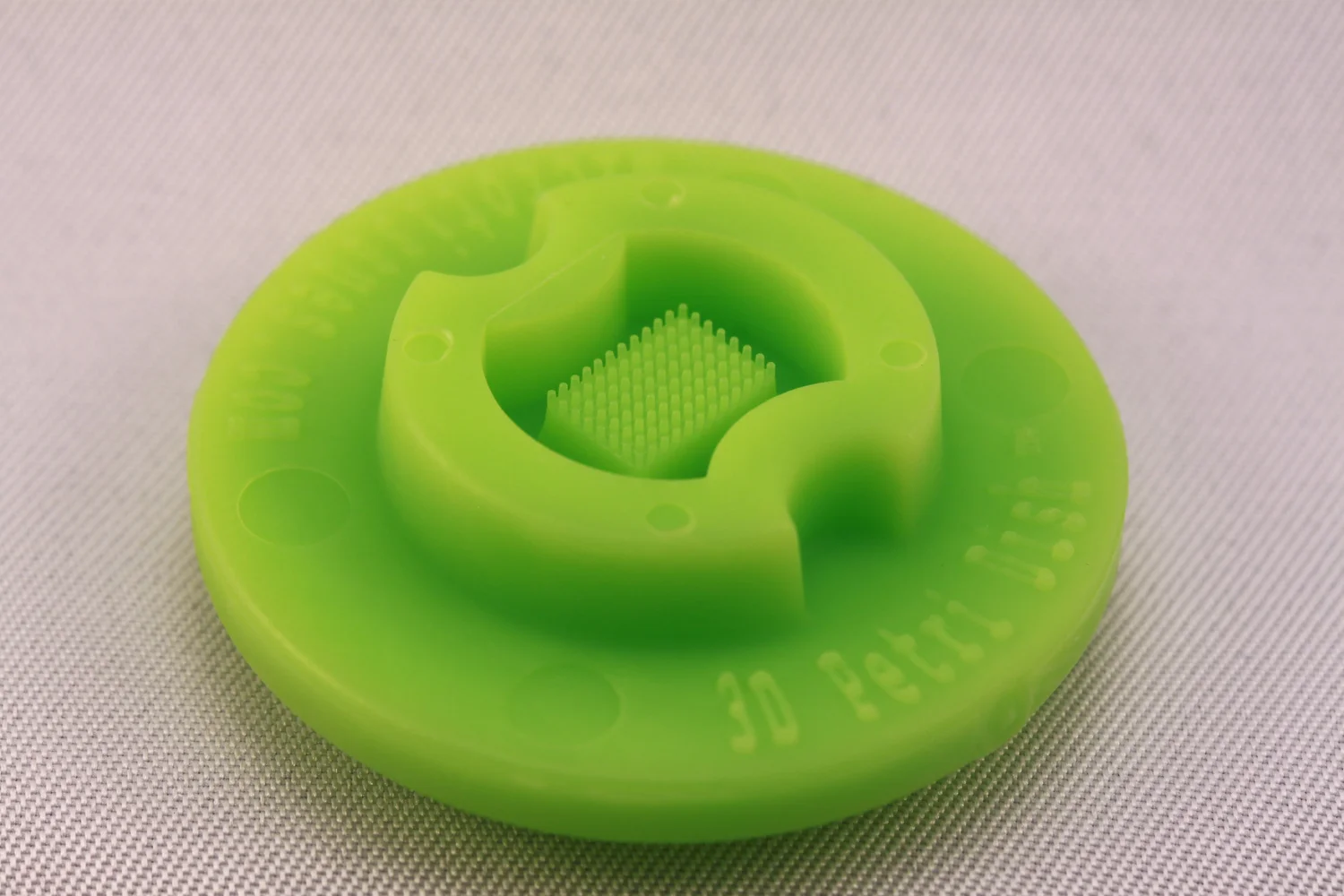
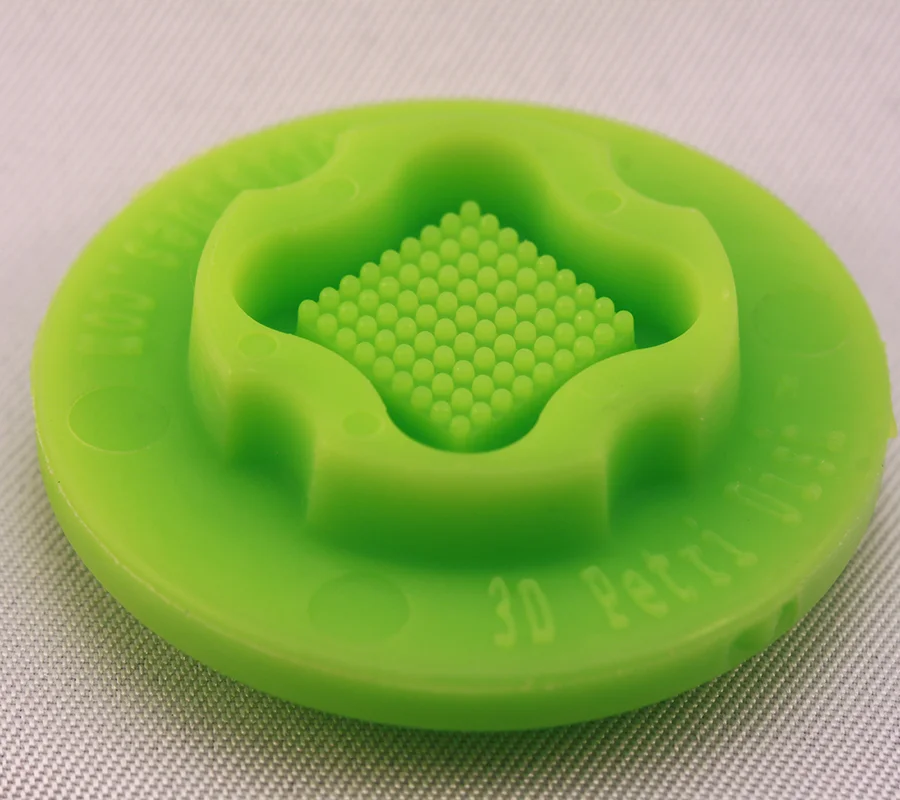
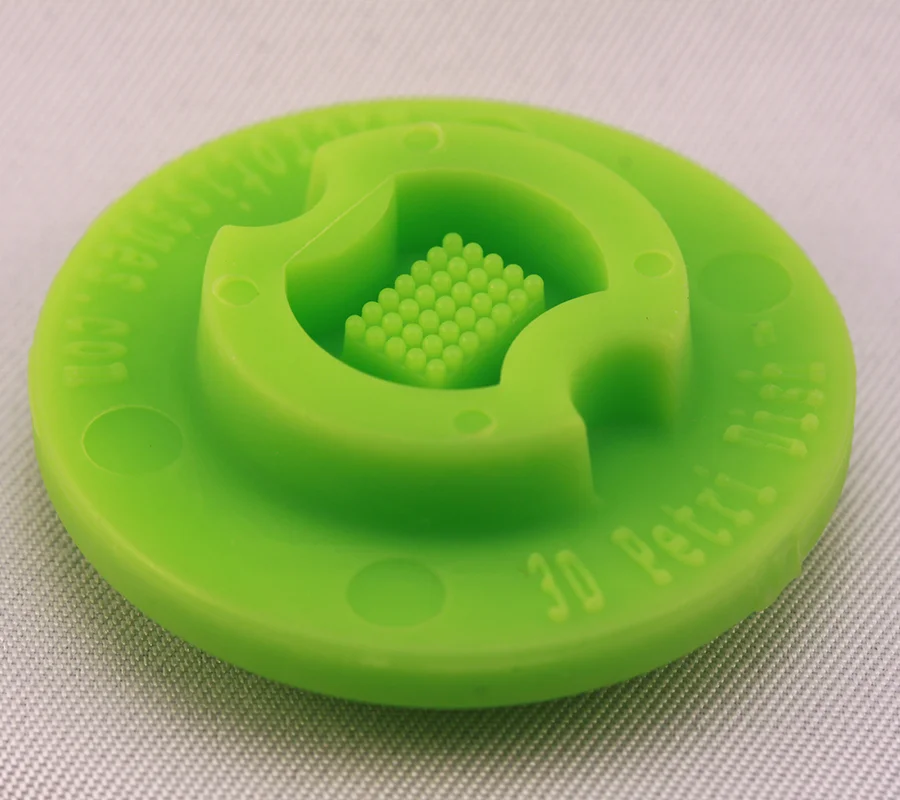
Published in ACS Biomaterials Science & Engineering (2025), this peer-reviewed study used 3D Petri Dish® micro-molds to form scaffold-free 3D microtissues. Full citation: Martin, Bianca Aparecida, et al. Development of a Sensory Neuron-Integrated Skin Spheroid Model for the Evaluation of Neuropeptide-Based Topical Delivery Systems
Development of a Sensory Neuron-Integrated Skin Spheroid Model for the Evaluation of Neuropeptide-Based Topical Delivery Systems
Research Overview
Skin models are good at drug permeation but poor at neural interactions, which limits testing of neuropeptide therapies. This study established a sensory neuron-integrated skin spheroid model incorporating the key skin cell types — keratinocytes, fibroblasts, adipocytes — together with sensory neurons.
Responsiveness was demonstrated with acetyl hexapeptide-3, a neuropeptide that inhibits acetylcholine release, which was internalized by the model. The result is a rapid, adaptable, physiologically relevant platform for screening topical delivery systems that target neuronal pathways in skin.
Key Discoveries
- Skin spheroid model integrates keratinocytes, fibroblasts, adipocytes, and sensory neurons
- Validated with acetyl hexapeptide-3, a neuropeptide inhibiting acetylcholine release
- Enables screening of topical delivery systems targeting neuronal pathways