Summary
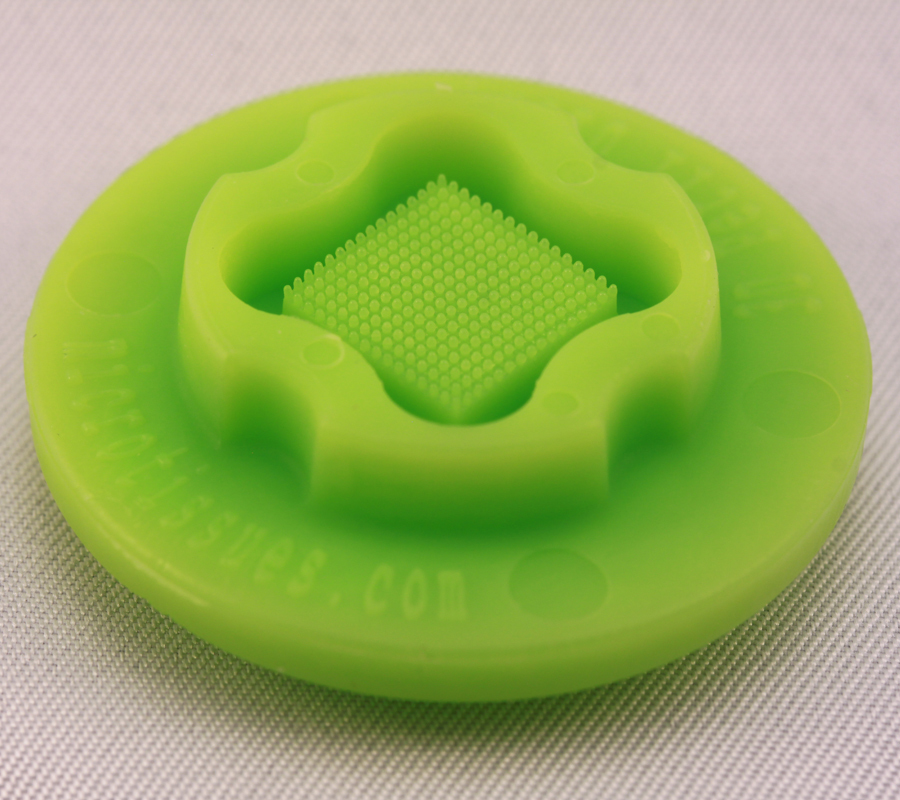
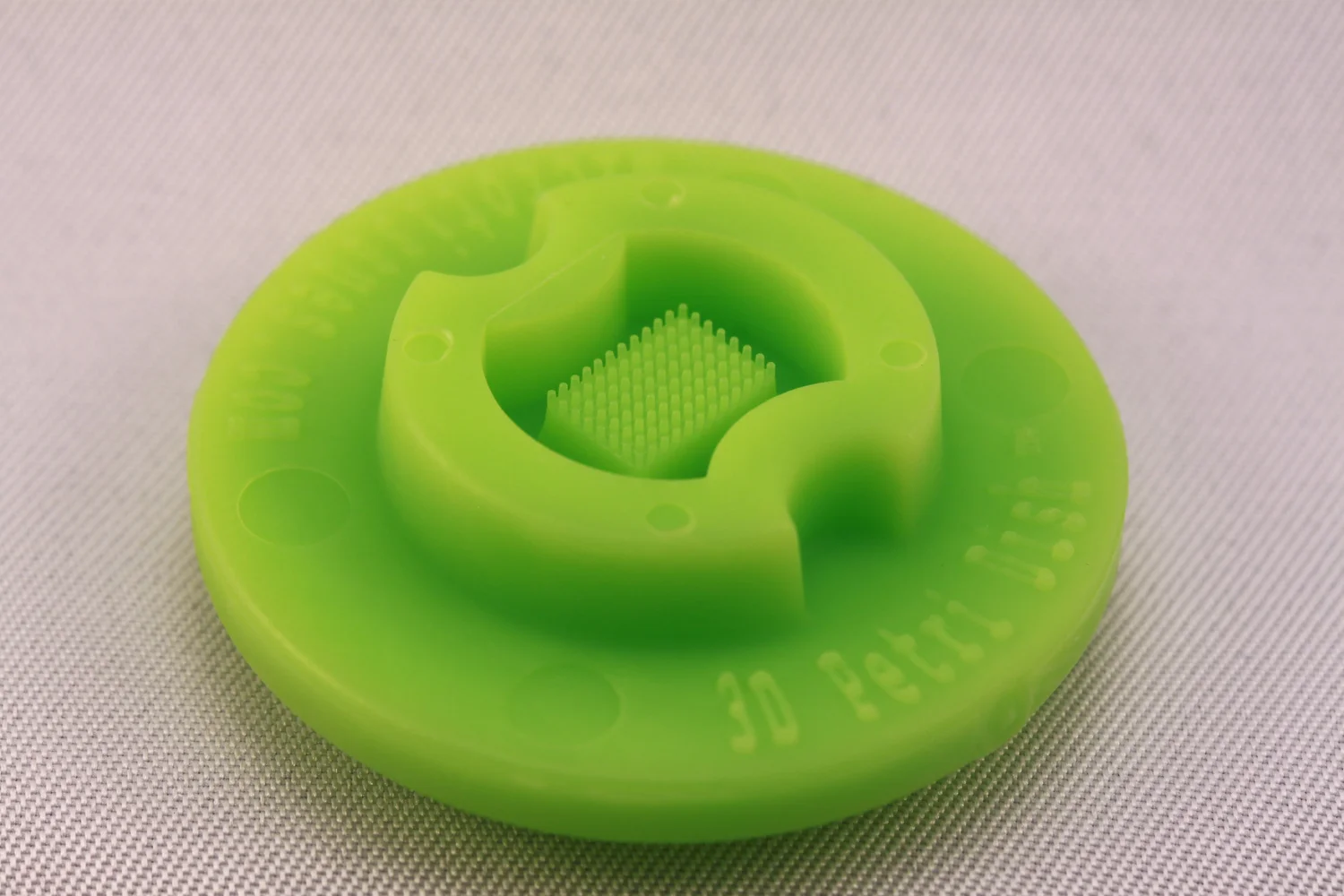
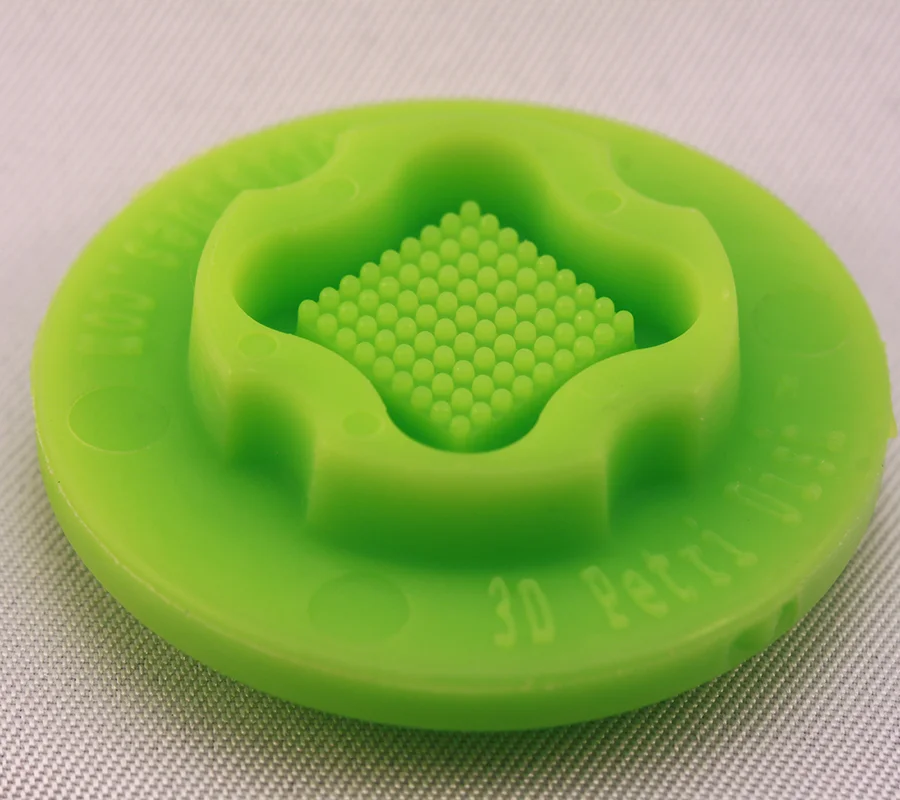
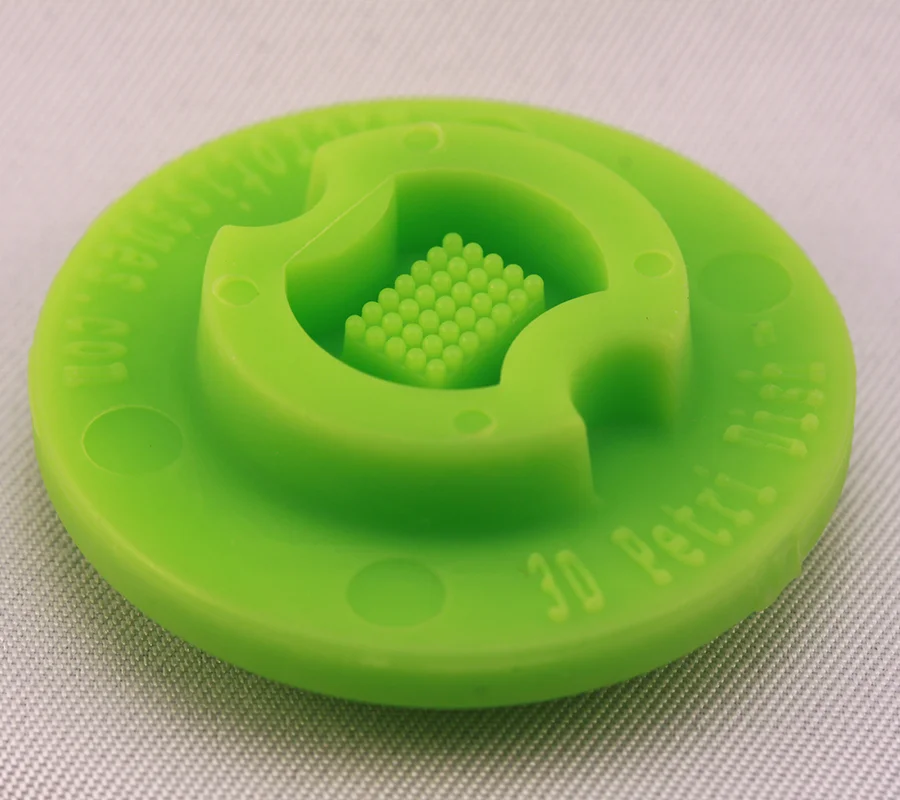
Published in In vitro models (2023), this peer-reviewed study used 3D Petri Dish® micro-molds to form scaffold-free 3D microtissues. Full citation: McLaughlin, Rachel M., et al. Cortical Spheroid Model for Studying the Effects of Ischemic Brain Injury
Cortical Spheroid Model for Studying the Effects of Ischemic Brain Injury
Research Overview
Ischemic brain injury — from stroke or severe traumatic brain injury — can cause excitotoxicity and widespread cell death even after brief interruptions of blood flow, yet decades of research have produced few therapeutic options.
This study developed an in vitro brain ischemia model using 3D spheroids derived from primary postnatal rat cortex. The spheroids provide an in vivo-relevant system with cellular composition similar to native cortex and a cell-synthesized extracellular matrix, giving researchers a controllable platform for studying ischemic mechanisms and screening candidate therapies.
Key Discoveries
- In vitro brain ischemia model built from primary rat cortical spheroids
- Spheroids reproduce native cortex cellular composition with cell-made extracellular matrix
- Addresses the shortage of therapeutic options for ischemic brain injury