Summary
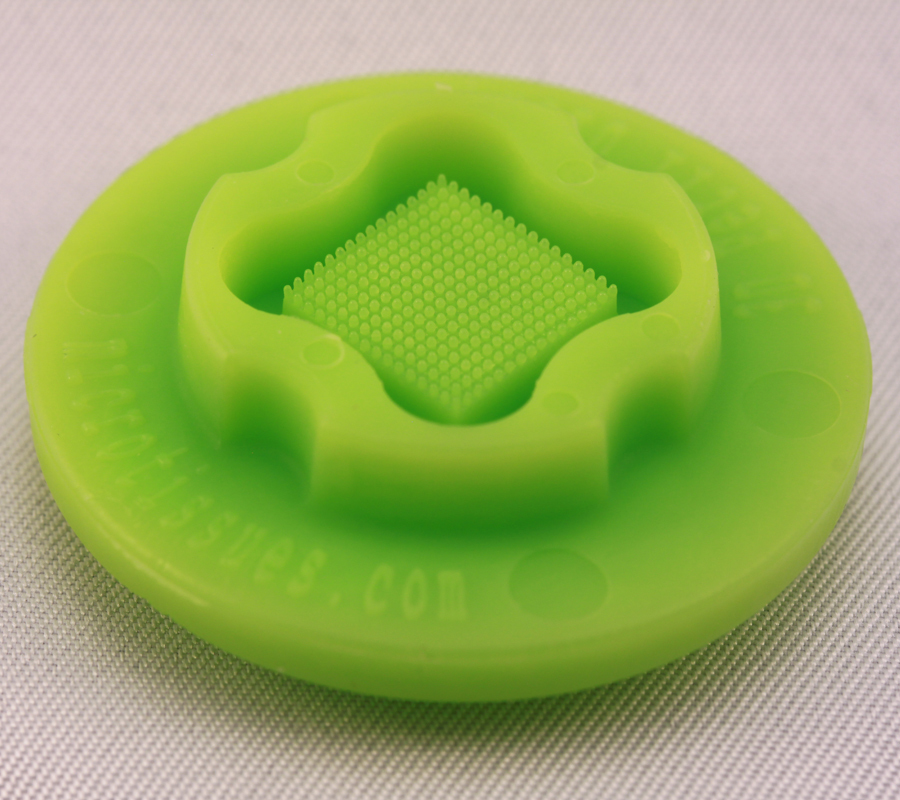
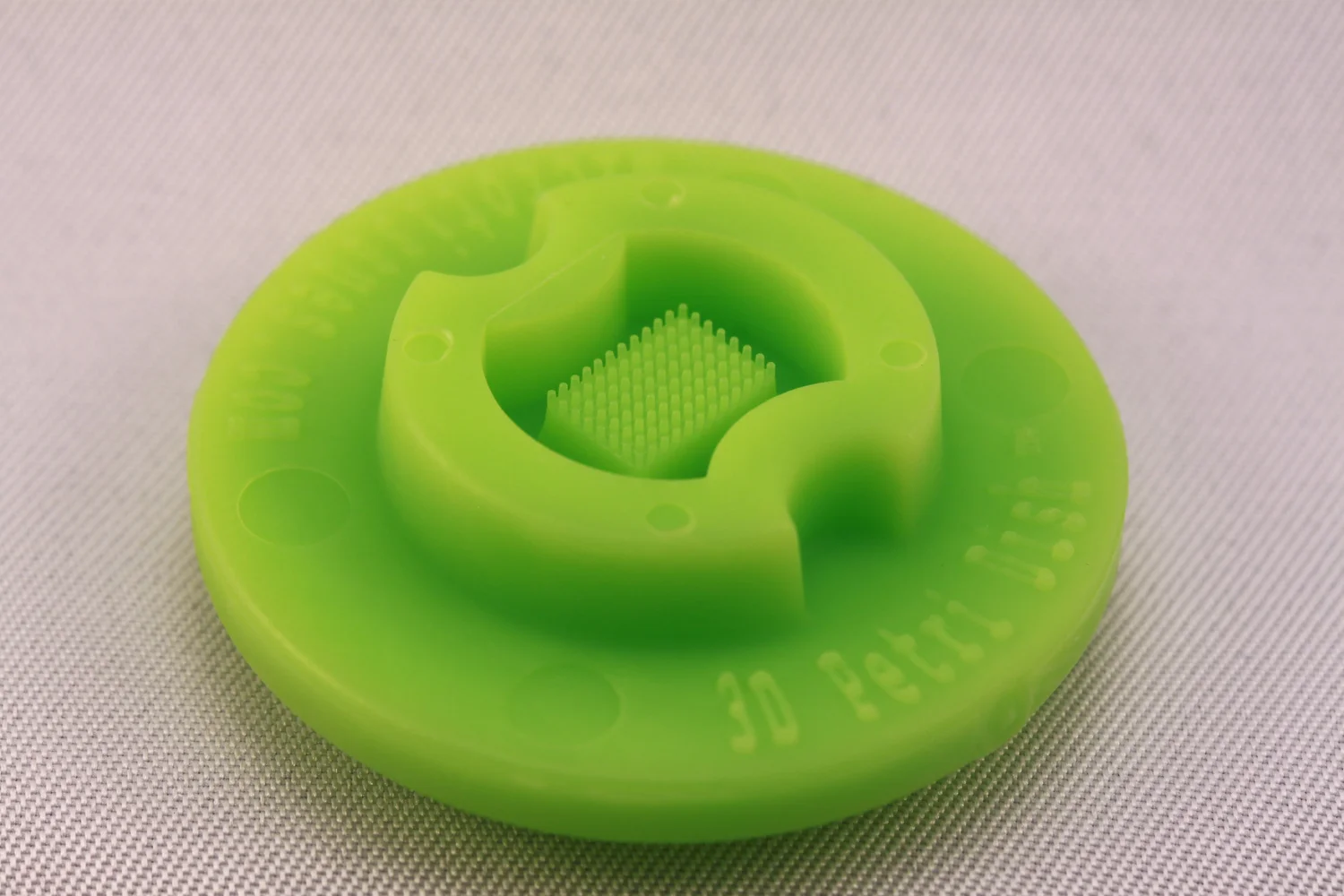
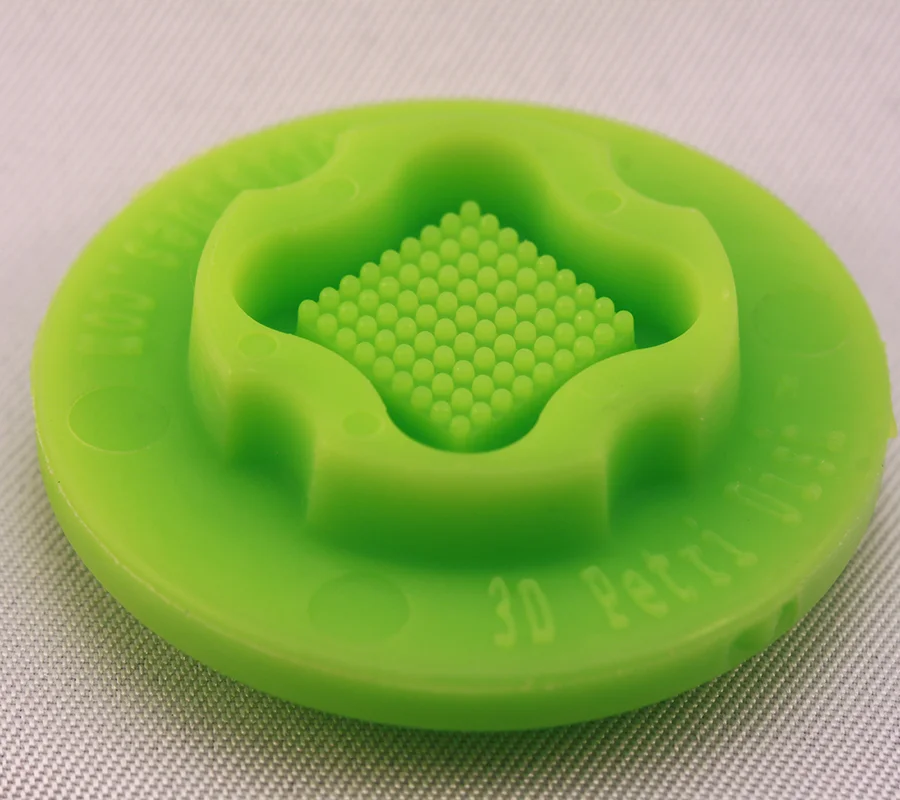
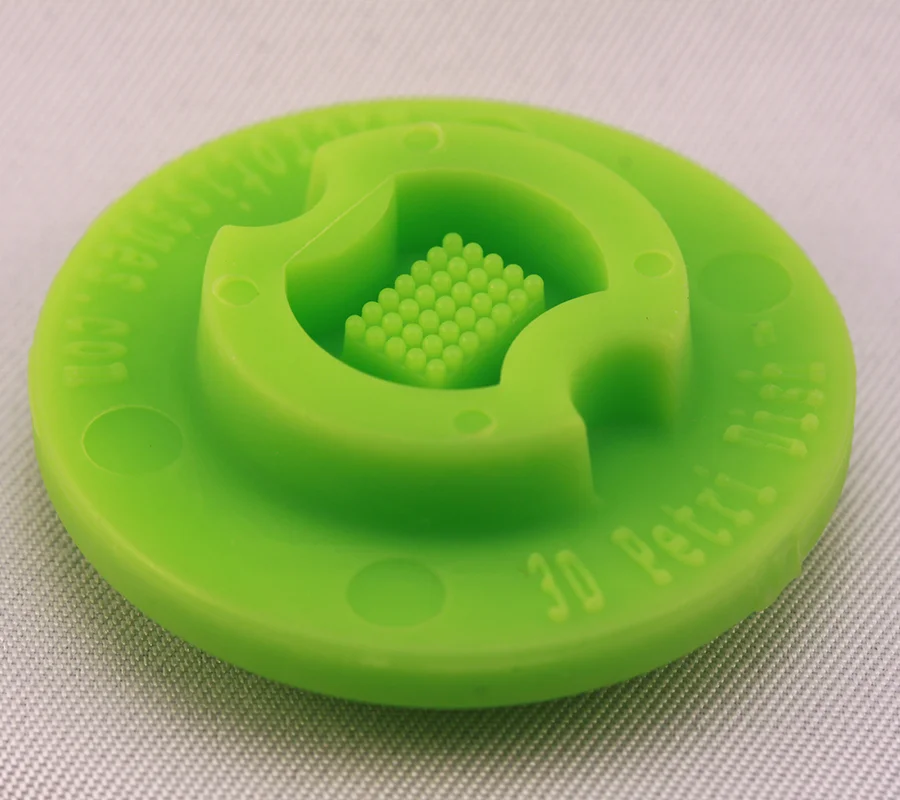
Published in European Journal of Oral Sciences (2018), this peer-reviewed study used 3D Petri Dish® micro-molds to form scaffold-free 3D microtissues. Full citation: Janjić, Klara, et al. Core circadian clock gene expression in human dental pulp‐derived cells in response to L‐mimosine, hypoxia and echinomycin
Core circadian clock gene expression in human dental pulp‐derived cells in response to L‐mimosine, hypoxia and echinomycin
Research Overview
Core circadian clock genes pace many physiological processes including regeneration, but their behavior in dental pulp — particularly under low oxygen — was unknown. Human dental pulp-derived cells were cultured as monolayers and spheroids and treated with the hypoxia-mimetic L-mimosine, actual hypoxia, or echinomycin, with clock gene expression measured by qPCR and protein levels by Western blot.
All core clock genes and proteins were produced in both culture formats, and expression of the cryptochrome and period regulators fell in response to L-mimosine, hypoxia, and echinomycin — linking hypoxic signaling to circadian regulation in dental pulp cells, with implications for regenerative endodontics.
Key Discoveries
- Core circadian clock genes and proteins expressed in dental pulp cells in monolayer and spheroid culture
- Cryptochrome and period regulator expression reduced by hypoxia, L-mimosine, and echinomycin
- Links hypoxic signaling to circadian regulation in dental pulp regeneration