Summary
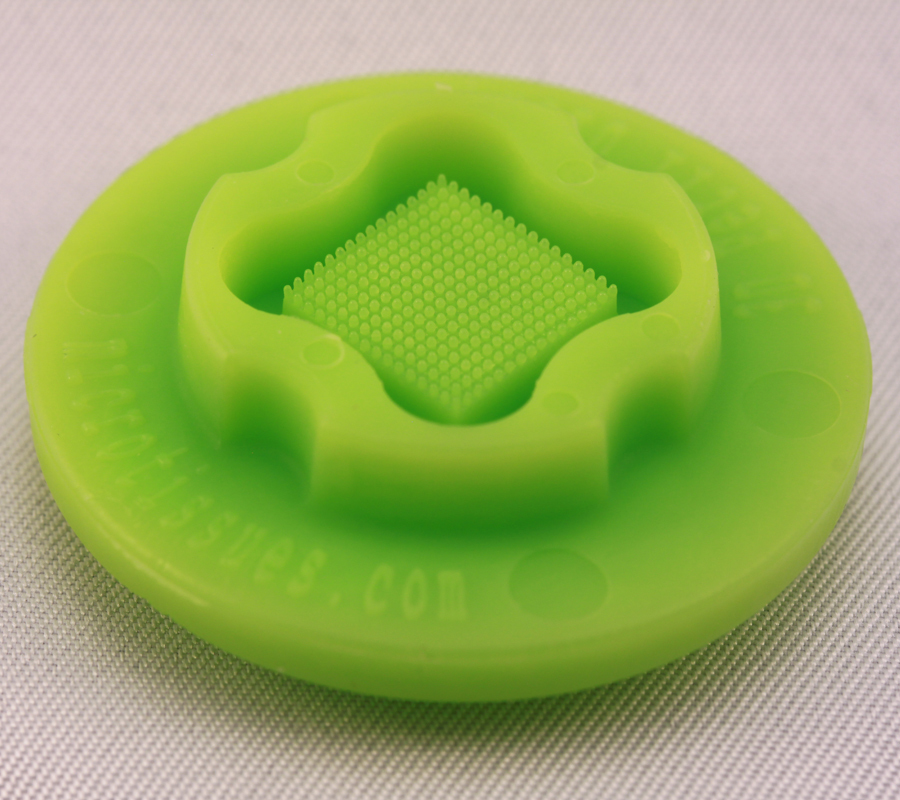
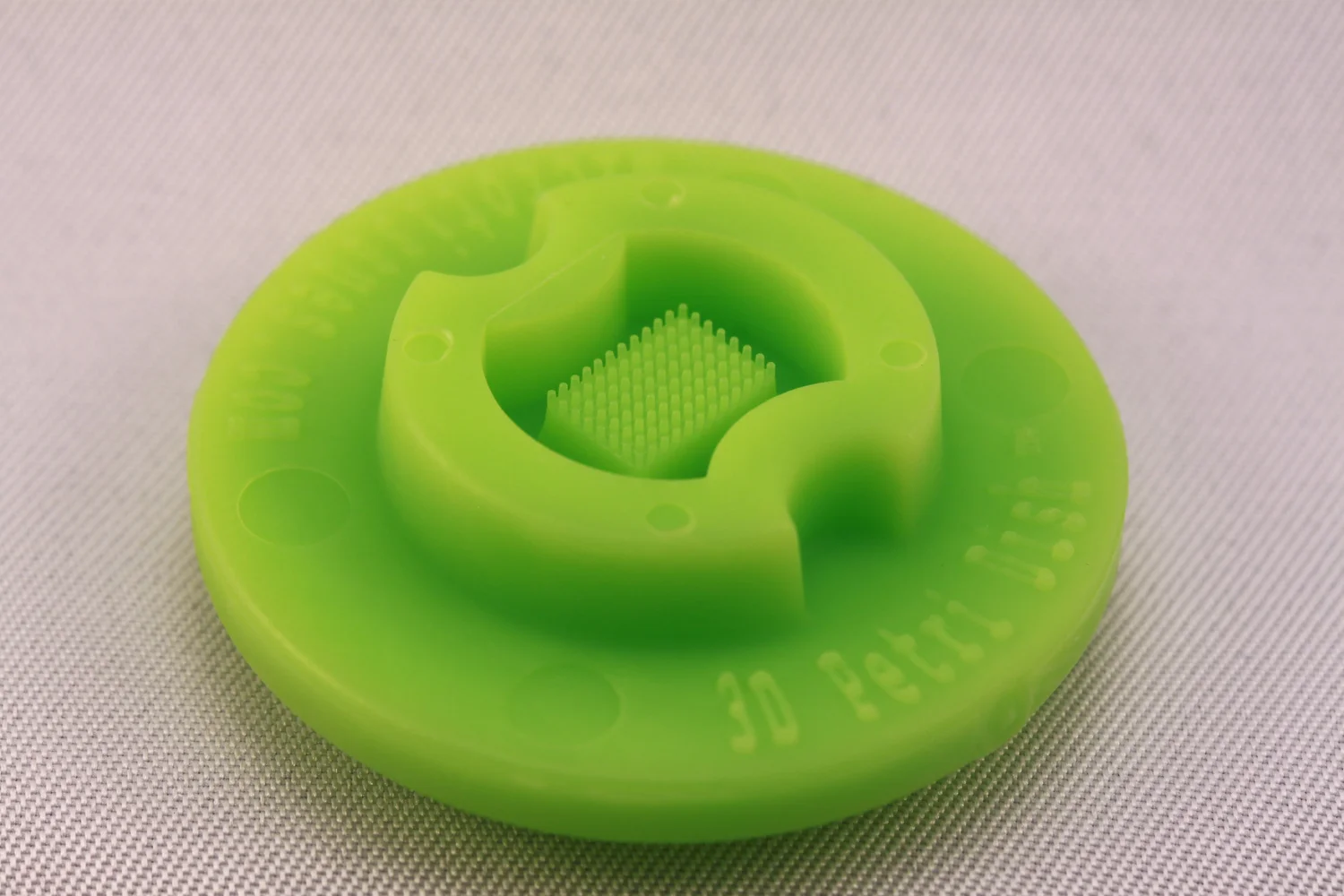
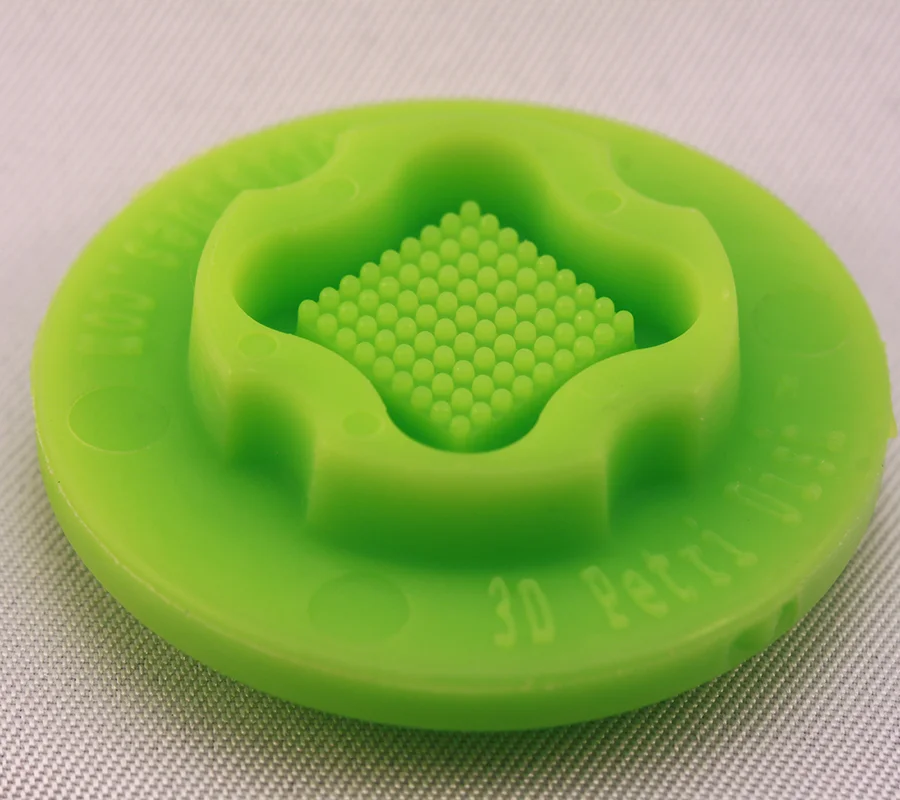
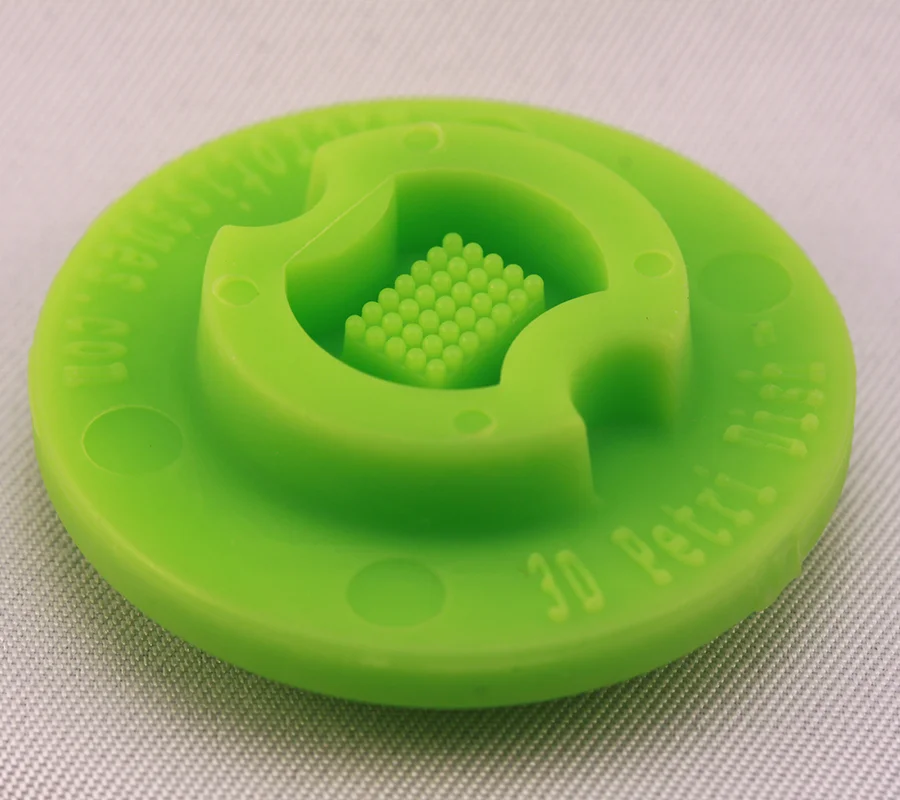
Published in Molecular Metabolism (2025), this peer-reviewed study used 3D Petri Dish® micro-molds to form scaffold-free 3D microtissues. Full citation: Fouque, Alexis, et al. Constructing chimeric mouse islets to study alpha- and delta-cell influence on beta-cell feature
Constructing chimeric mouse islets to study alpha- and delta-cell influence on beta-cell feature
Research Overview
Within pancreatic islets, β-cells receive signals from neighboring α- and δ-cells, but their contribution to β-cell glucose sensitivity, gene expression, and function had not been isolated. This study built chimeric islets to find out.
Extending a prior protocol, the authors FACS-purified α-, β-, and δ-cells from mouse islets — adding CD81 as a positive marker for α-cells — then reaggregated the sorted populations into chimeric islets with defined proportions: all three cell types, α plus β, or β-cells alone. Comparing these compositions showed that β-cell glucose sensitivity and identity depend on the presence of the other endocrine cell types.
Key Discoveries
- CD81 added as a positive FACS marker to purify mouse α-cells
- Sorted α-, β-, and δ-cells reaggregated into chimeric islets of defined composition
- β-cell glucose sensitivity and identity shown to depend on α- and δ-cell signals