Summary
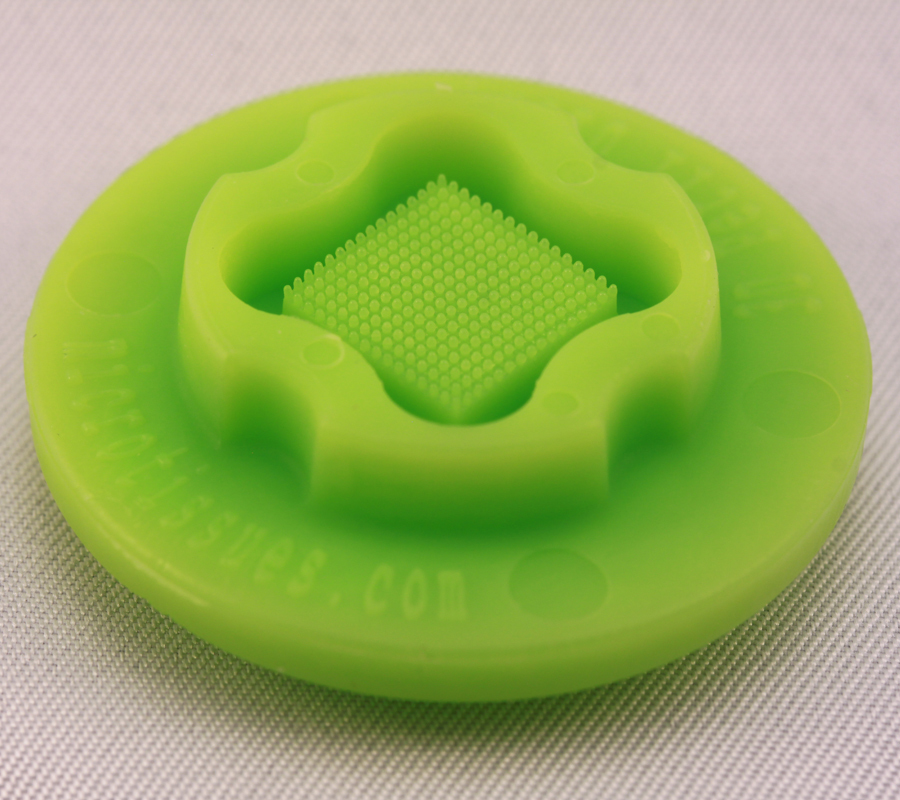
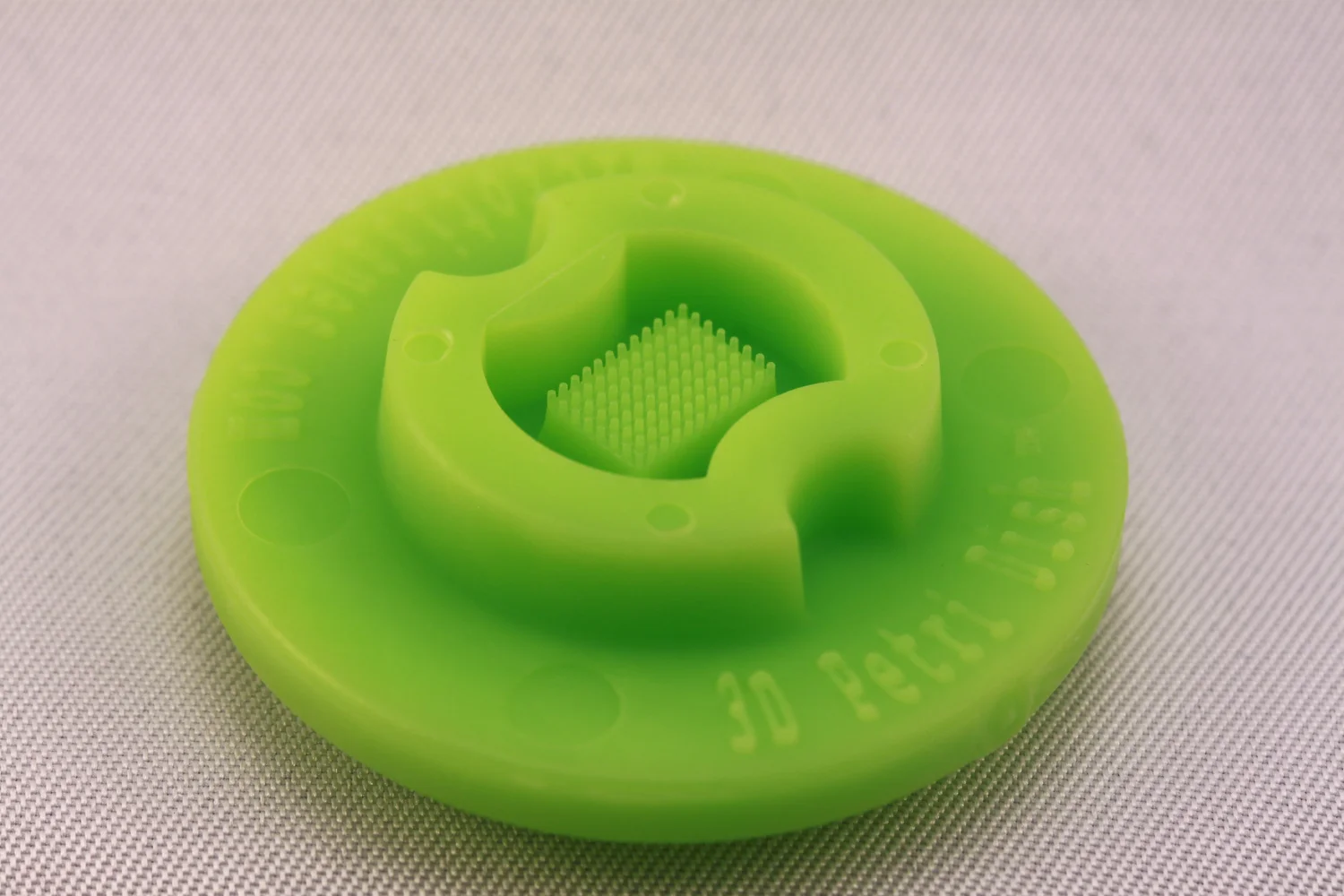
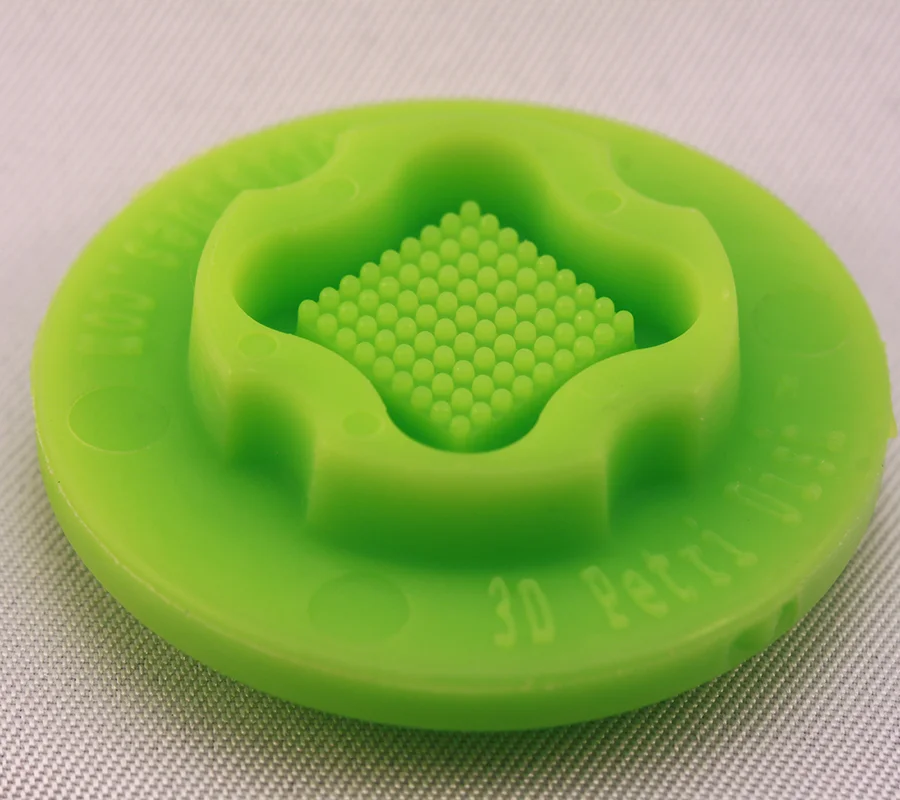
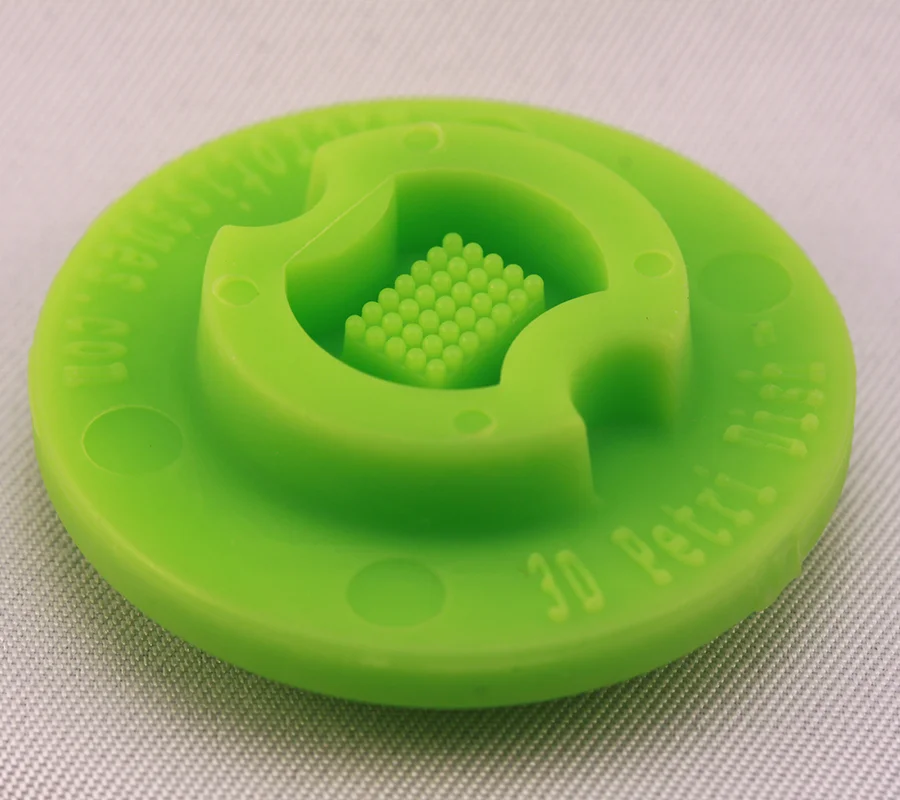
Published in Cell (2020), this peer-reviewed study used 3D Petri Dish® micro-molds to form scaffold-free 3D microtissues. Full citation: Cowan, Cameron S., et al. Cell Types of the Human Retina and Its Organoids at Single-Cell Resolution
Cell Types of the Human Retina and Its Organoids at Single-Cell Resolution
Research Overview
Human organoids that reproduce the cell-type diversity and function of their target organ are valuable for basic and translational research. This study developed light-sensitive human retinal organoids with multiple nuclear and synaptic layers and functional synapses, then sequenced RNA from 285,441 single cells across seven developmental time points and from the periphery, fovea, pigment epithelium, and choroid of light-responsive adult human retinas.
Organoid cell types matured in vitro to a stable “developed” state at a rate similar to human retinal development in vivo, and their transcriptomes converged toward those of adult peripheral retinal cell types. Expression of disease-associated genes was cell-type-specific in adult retina, and that specificity was retained in the organoids.
Key Discoveries
- Light-sensitive human retinal organoids with layered structure and functional synapses
- 285,441 single-cell transcriptomes across seven organoid time points and adult retinal regions
- Organoid cell types matured at an in vivo-like rate and retained cell-type-specific disease gene expression