Summary
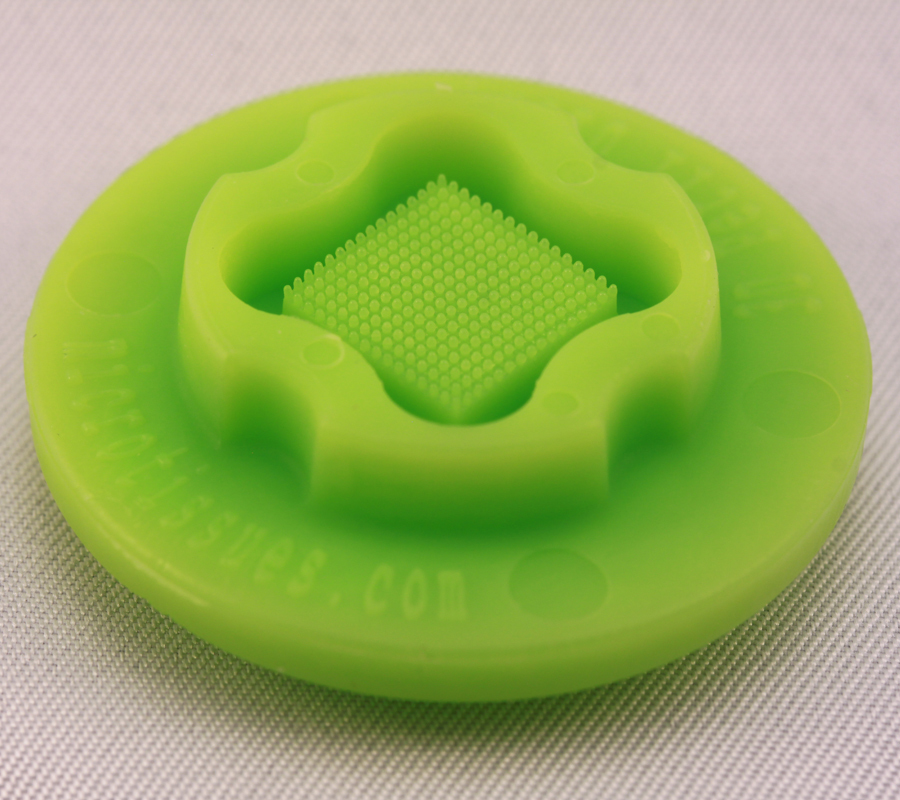
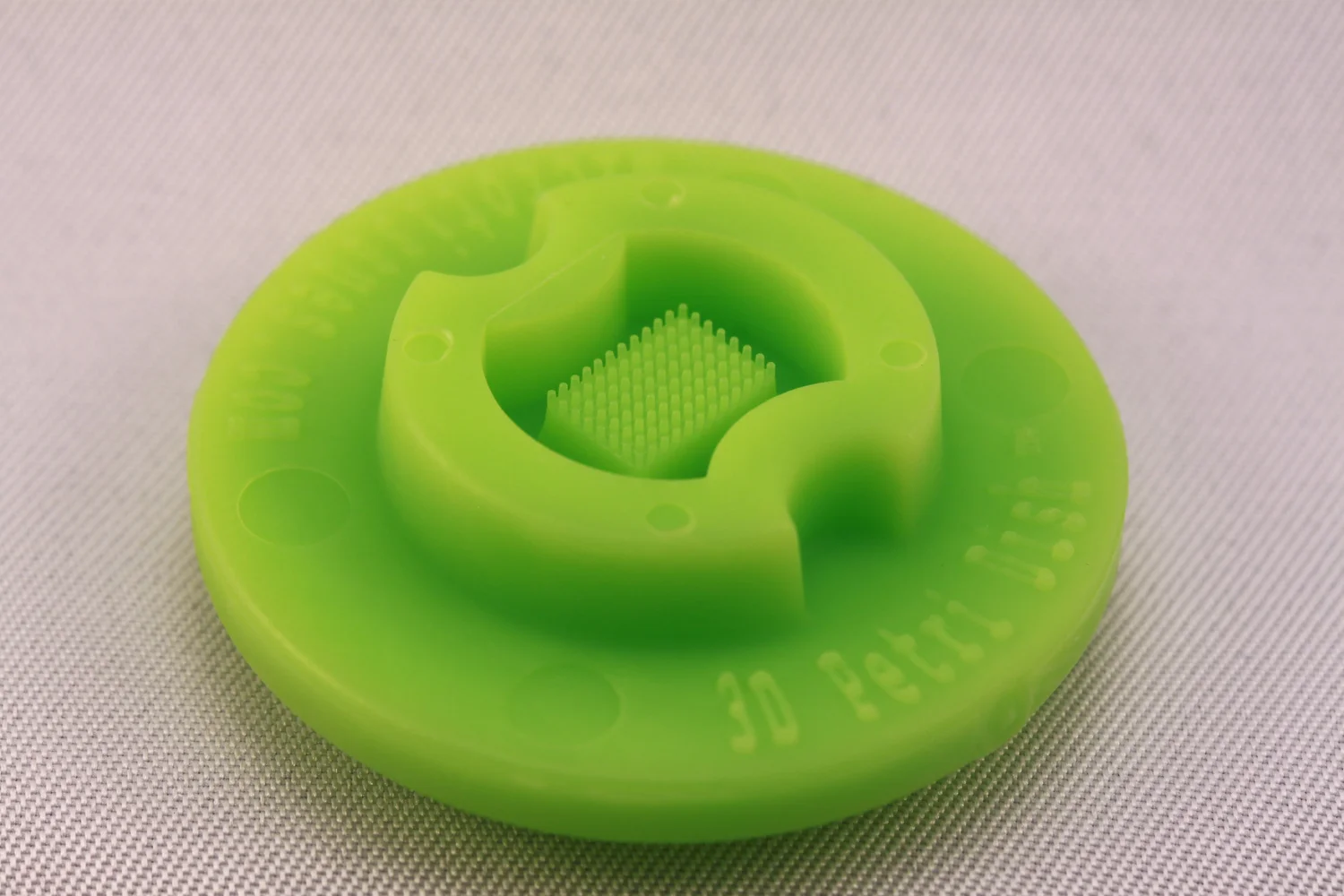
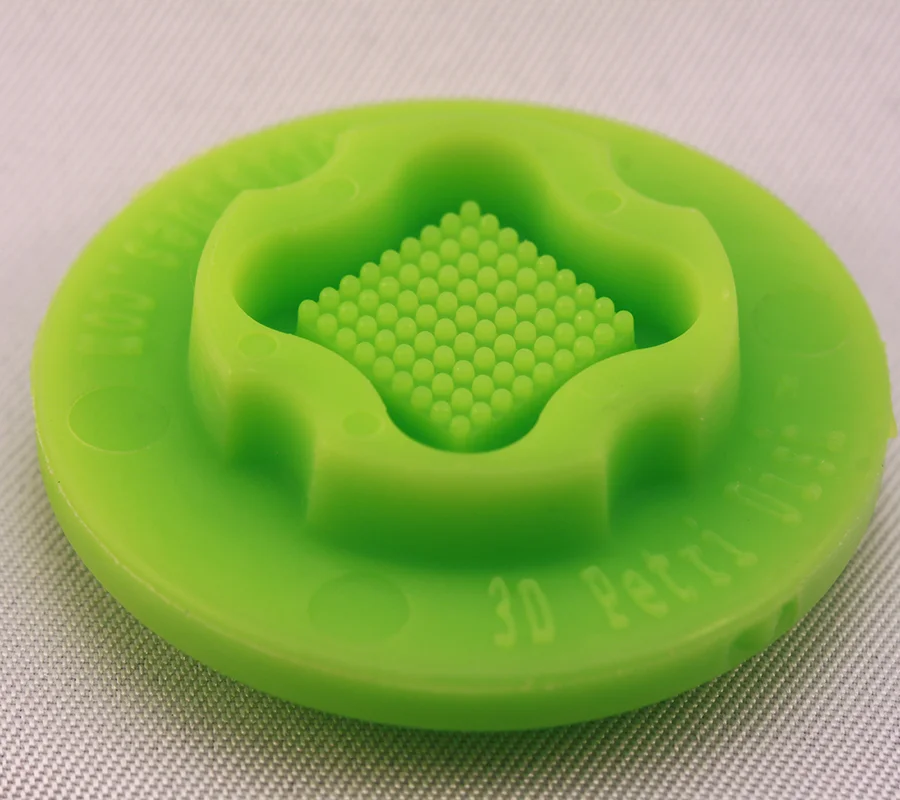
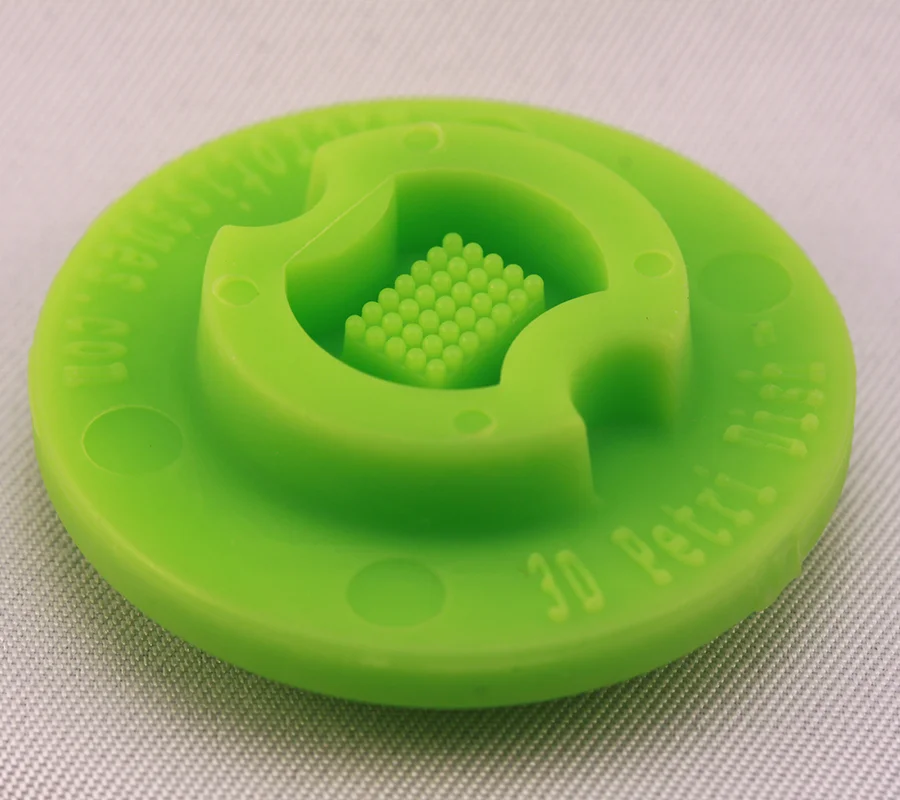
Published in Nature (2026), this peer-reviewed study used 3D Petri Dish® micro-molds to form scaffold-free 3D microtissues. Full citation: Ayupov, Temurkhan, et al. Cell-type-targeted mitochondrial transplantation rescues cell degeneration
Cell-type-targeted mitochondrial transplantation rescues cell degeneration
Research Overview
Mitochondrial dysfunction underlies several currently untreatable conditions, including neurodegenerative disorders, optic nerve atrophy, and heart failure. Transplanting healthy mitochondria has been proposed as therapy, but with no way to steer donor mitochondria to the affected cell type, specificity and efficacy were limited.
This study developed MitoCatch, a system that delivers mitochondria to chosen cell types using protein binders: monospecific binders displayed on the target cell surface, monospecific binders displayed on the mitochondrion, or bispecific binders that bridge the two. Donor mitochondria captured this way were efficiently internalized, exposed to the cytosol, moved within the cell, and underwent fusion and fission — behaving as functional organelles inside their new hosts.
Key Discoveries
- MitoCatch targets donor mitochondria to specific cell types via cell-surface, mitochondrion-displayed, or bispecific protein binders
- Captured mitochondria were internalized, exposed to the cytosol, and trafficked within target cells
- Donor mitochondria underwent fusion and fission, integrating into the host mitochondrial network