Summary
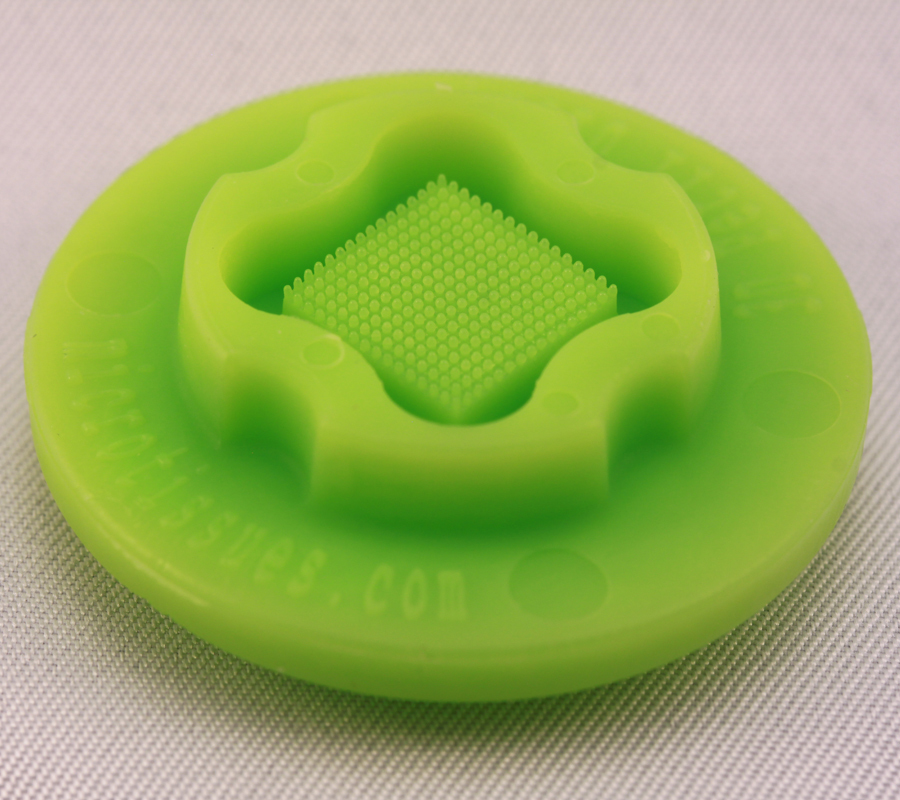
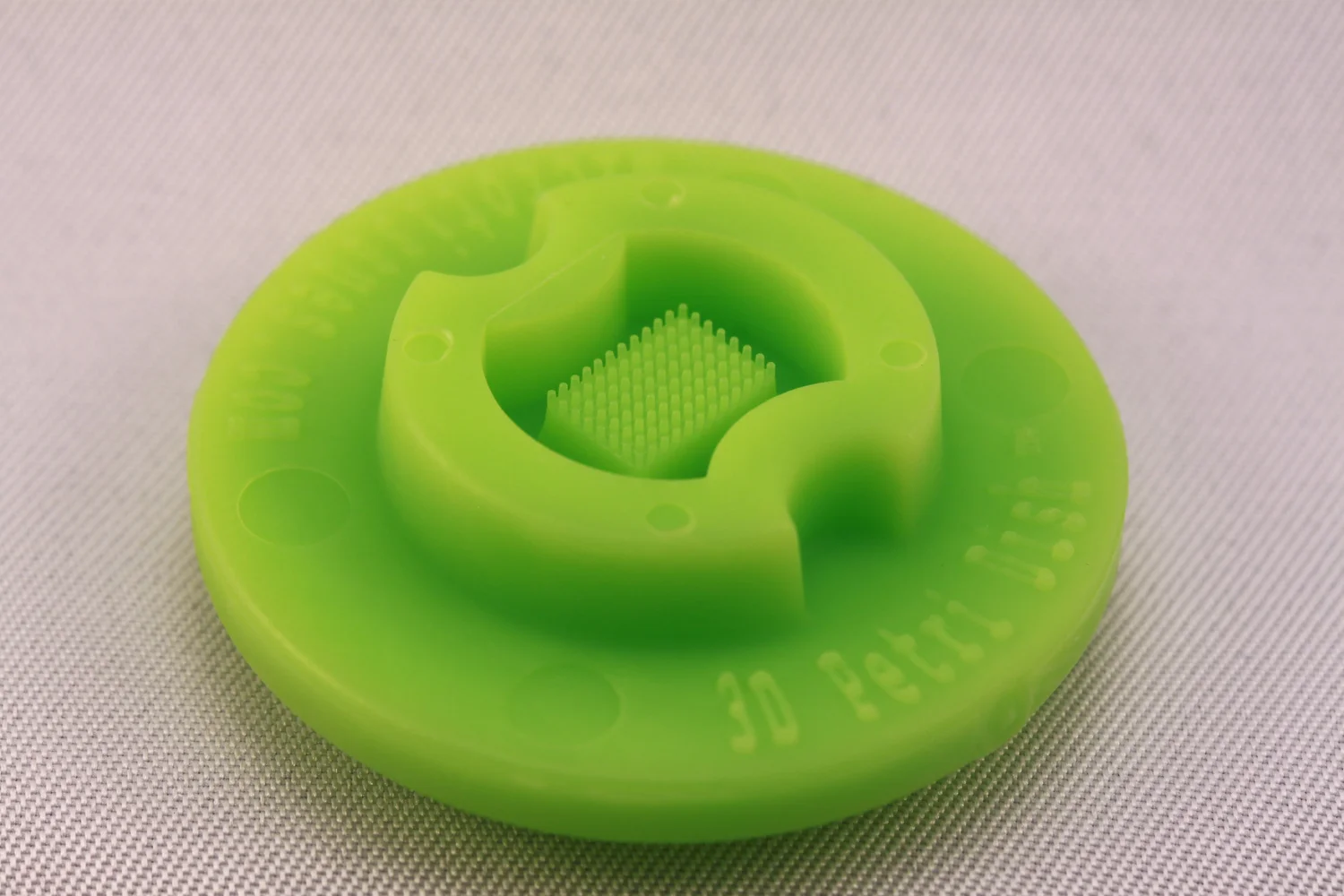
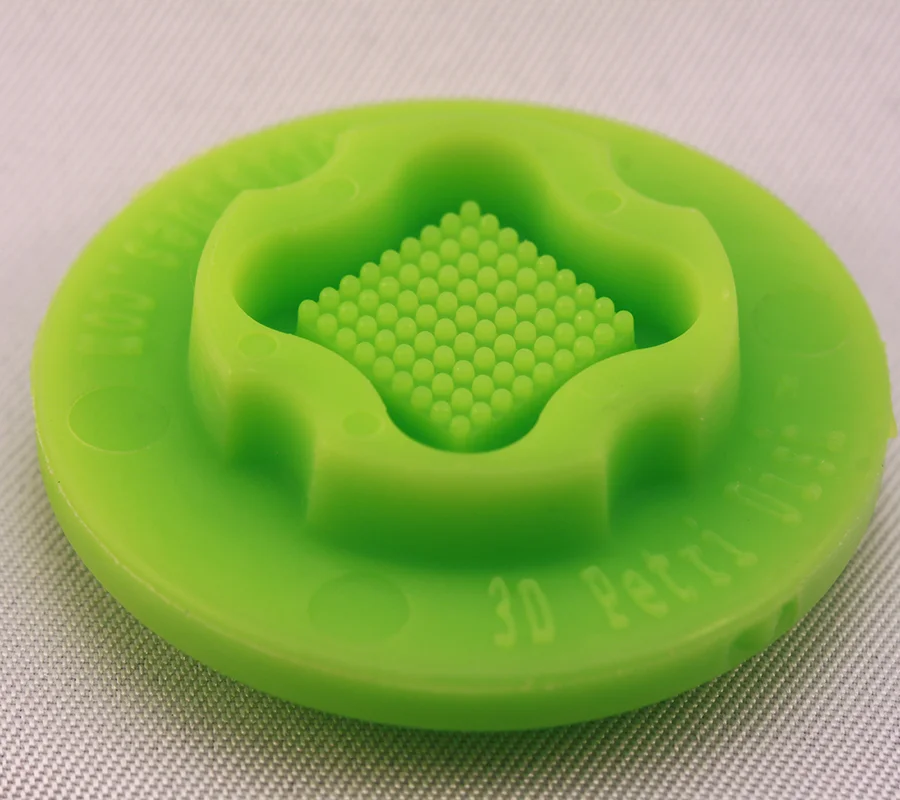
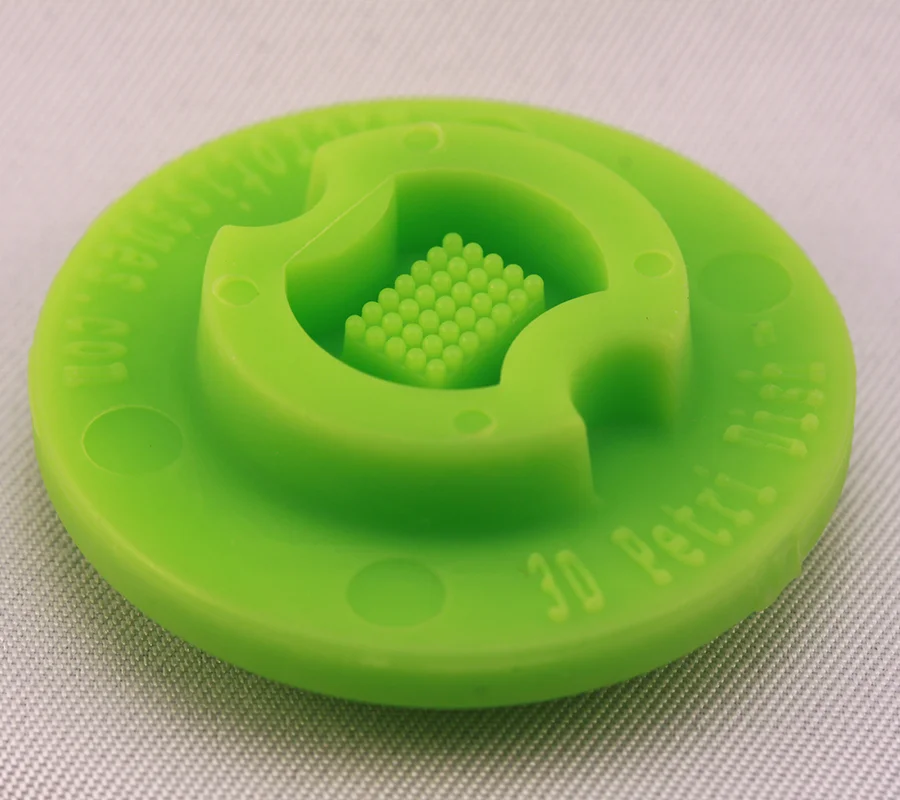
Published in Research Square (2026), this peer-reviewed study used 3D Petri Dish® micro-molds to form scaffold-free 3D microtissues. Full citation: Herrera, Pedro, et al. β-Cell Obligation in α-Cell Glucagon Response to Low Glucose
β-Cell Obligation in α-Cell Glucagon Response to Low Glucose
Research Overview
Type 1 diabetes destroys insulin-producing β-cells, but patients also face life-threatening hypoglycemia because their α-cells fail to release glucagon when glucose falls — a counterregulatory failure whose cause was poorly understood.
Using human pseudoislets from non-diabetic donors alongside mouse models, the authors showed that α-cells isolated from all other islet cell types cannot mount a glucagon response to low glucose, fully reproducing the diabetic phenotype. Strikingly, even a few β-cells per islet were enough to restore that response. Hypoglycemia-induced glucagon secretion is therefore not an intrinsic α-cell property but depends on β-cell input — reframing defective counterregulation in diabetes as a consequence of β-cell loss itself.
Key Discoveries
- Isolated α-cells, separated from other islet cell types, failed to secrete glucagon in response to low glucose
- A few β-cells per islet were sufficient to restore α-cell counterregulation
- Glucagon response to hypoglycemia depends on β-cell input rather than being intrinsic to α-cells