Summary
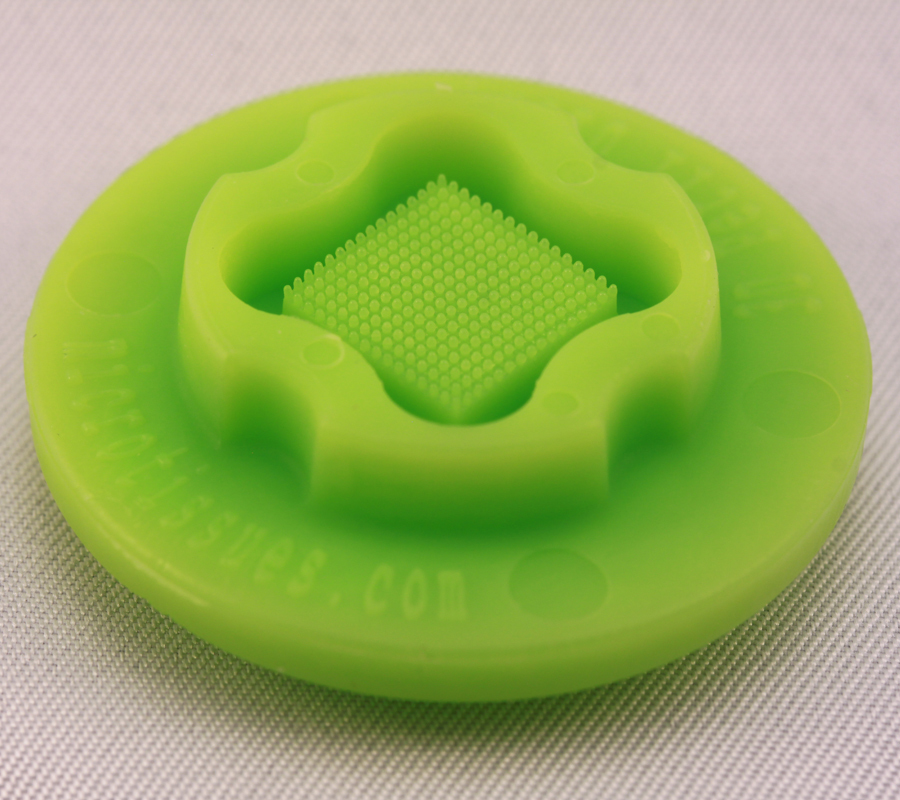
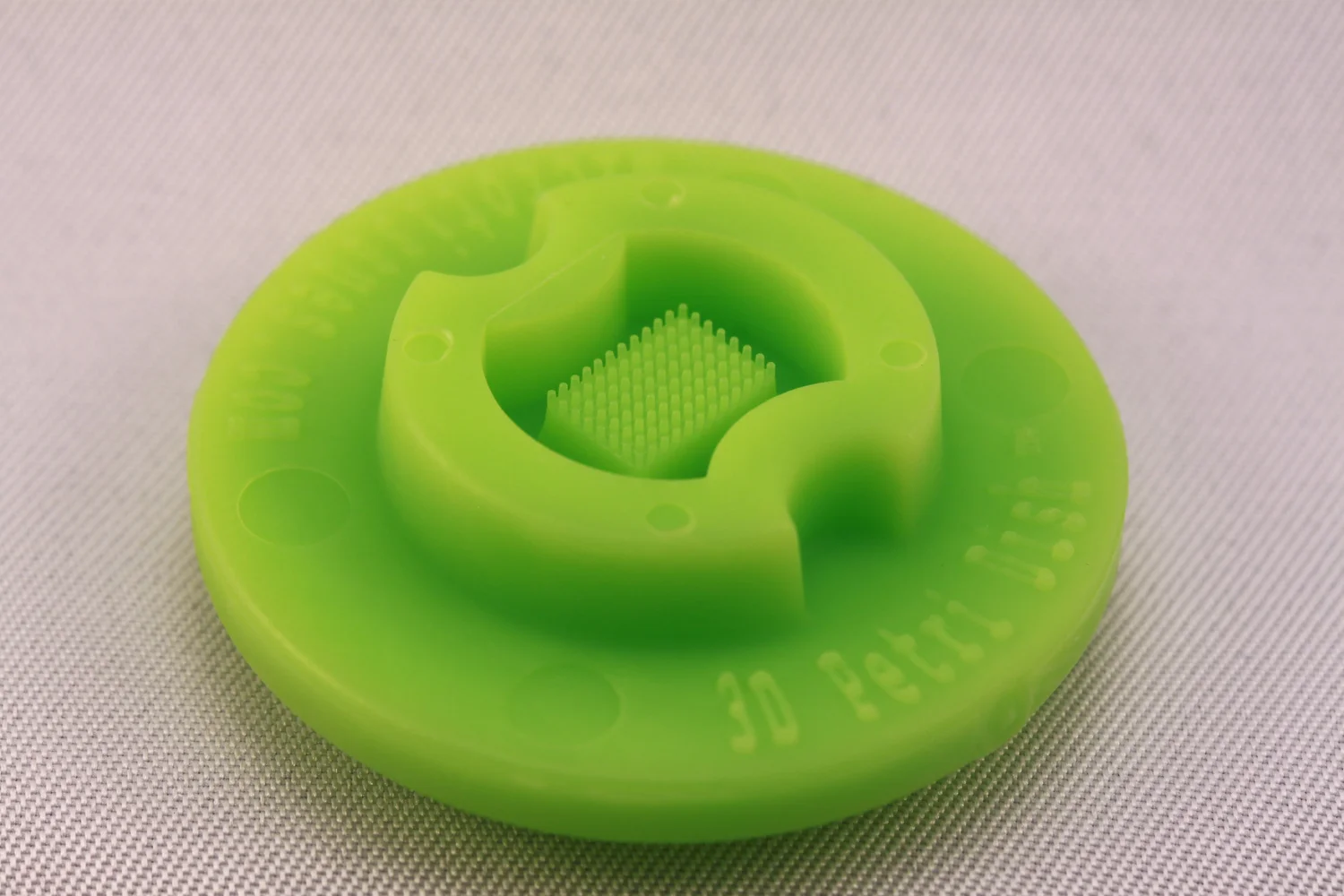
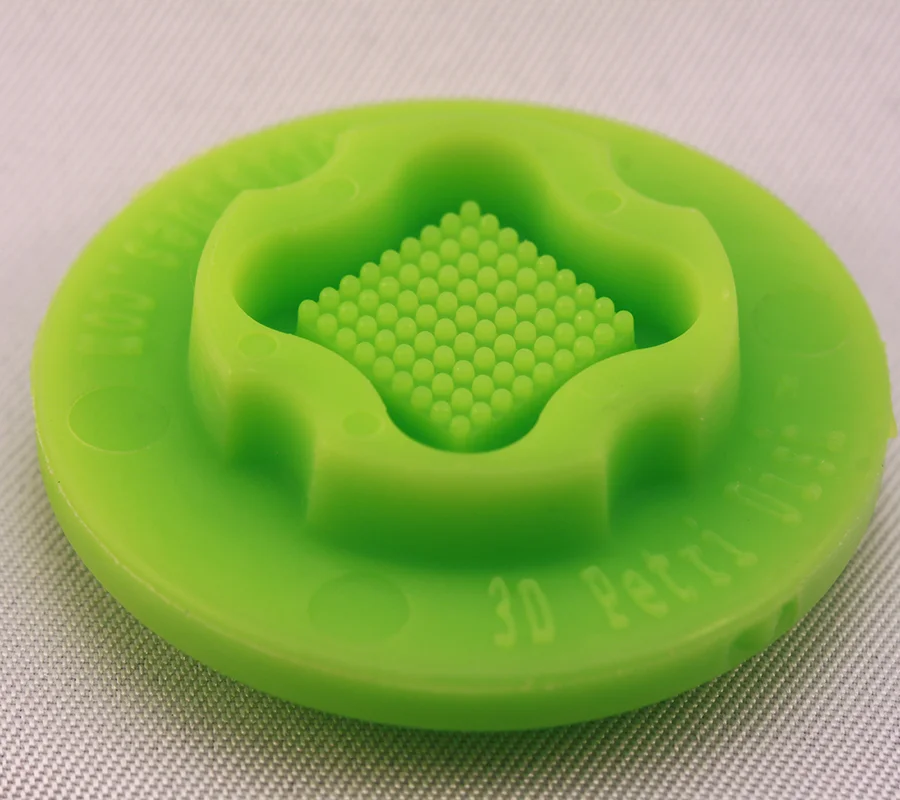
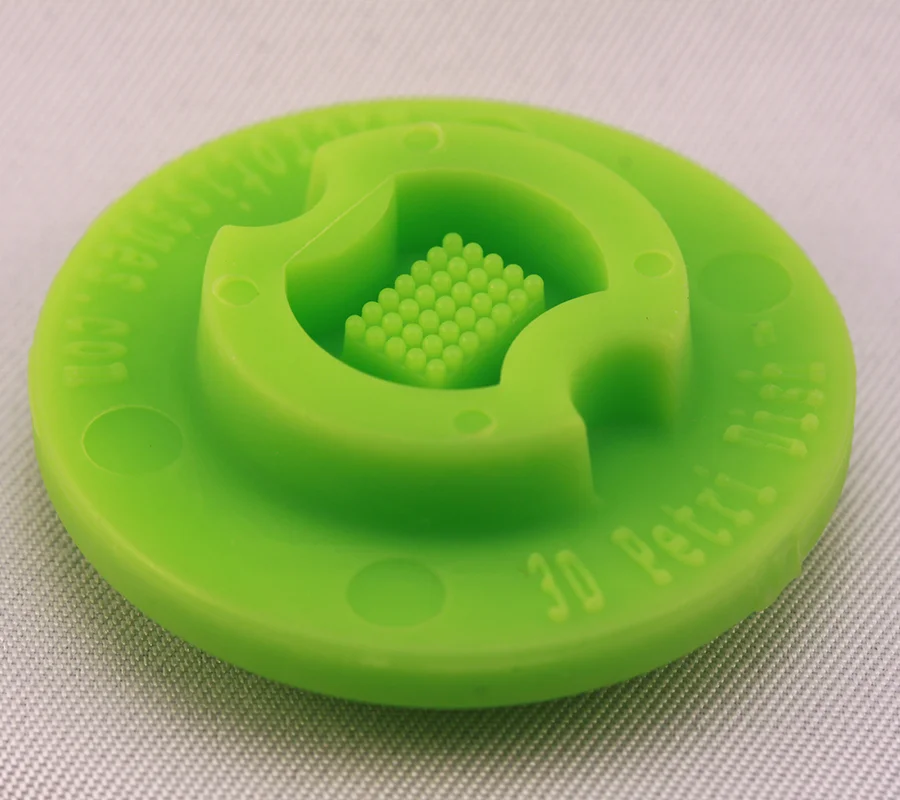
Published in Acta Biomaterialia (2017), this peer-reviewed study used 3D Petri Dish® micro-molds to form scaffold-free 3D microtissues. Full citation: Tan, Yu, et al. Cell number per spheroid and electrical conductivity of nanowires influence the function of silicon nanowired human cardiac spheroids
Cell number per spheroid and electrical conductivity of nanowires influence the function of silicon nanowired human cardiac spheroids
Research Overview
Human iPSC-derived cardiomyocytes offer an unlimited cell source for treating cardiovascular disease, but they retain an immature phenotype that makes integration with adult myocardium difficult after transplantation. The authors previously used electrically conductive silicon nanowires to help these cells self-assemble into nanowired cardiac spheroids, which improved spheroid function and cellular maturation.
This study examined two factors that shape those outcomes — the number of cells per spheroid and the electrical properties conferred by the nanowires — optimizing the parameters that determine whether engineered cardiac tissue matures enough to integrate.
Key Discoveries
- Cell number per spheroid examined as a determinant of cardiac tissue maturation
- Electrically conductive silicon nanowires used to enhance spheroid function
- Targets the immature phenotype limiting iPSC-cardiomyocyte transplantation