Summary
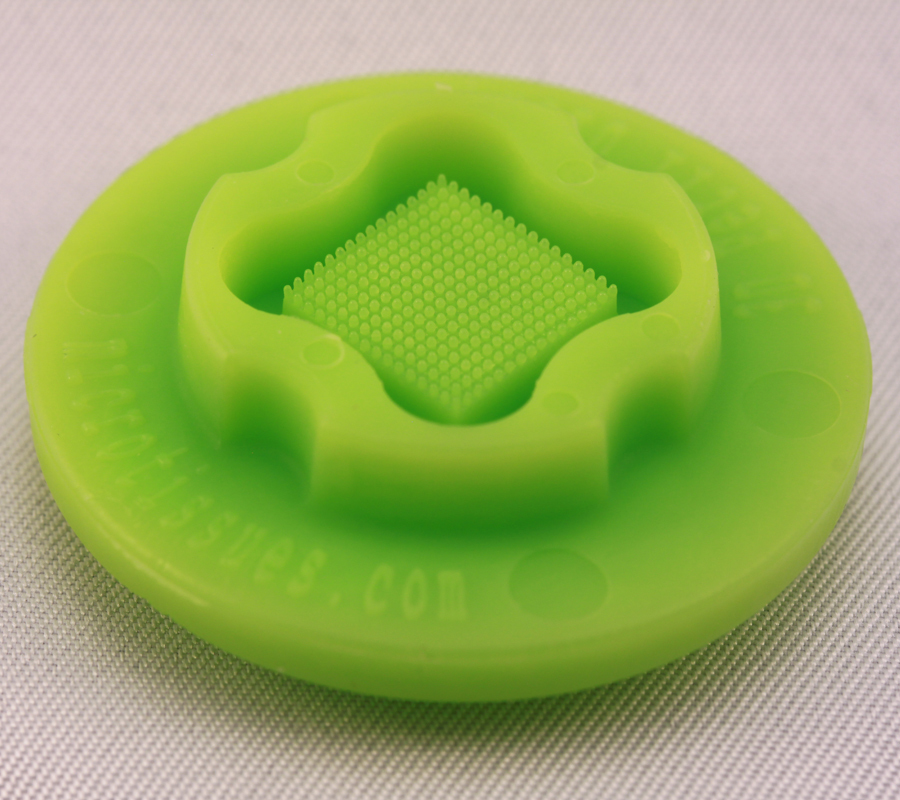
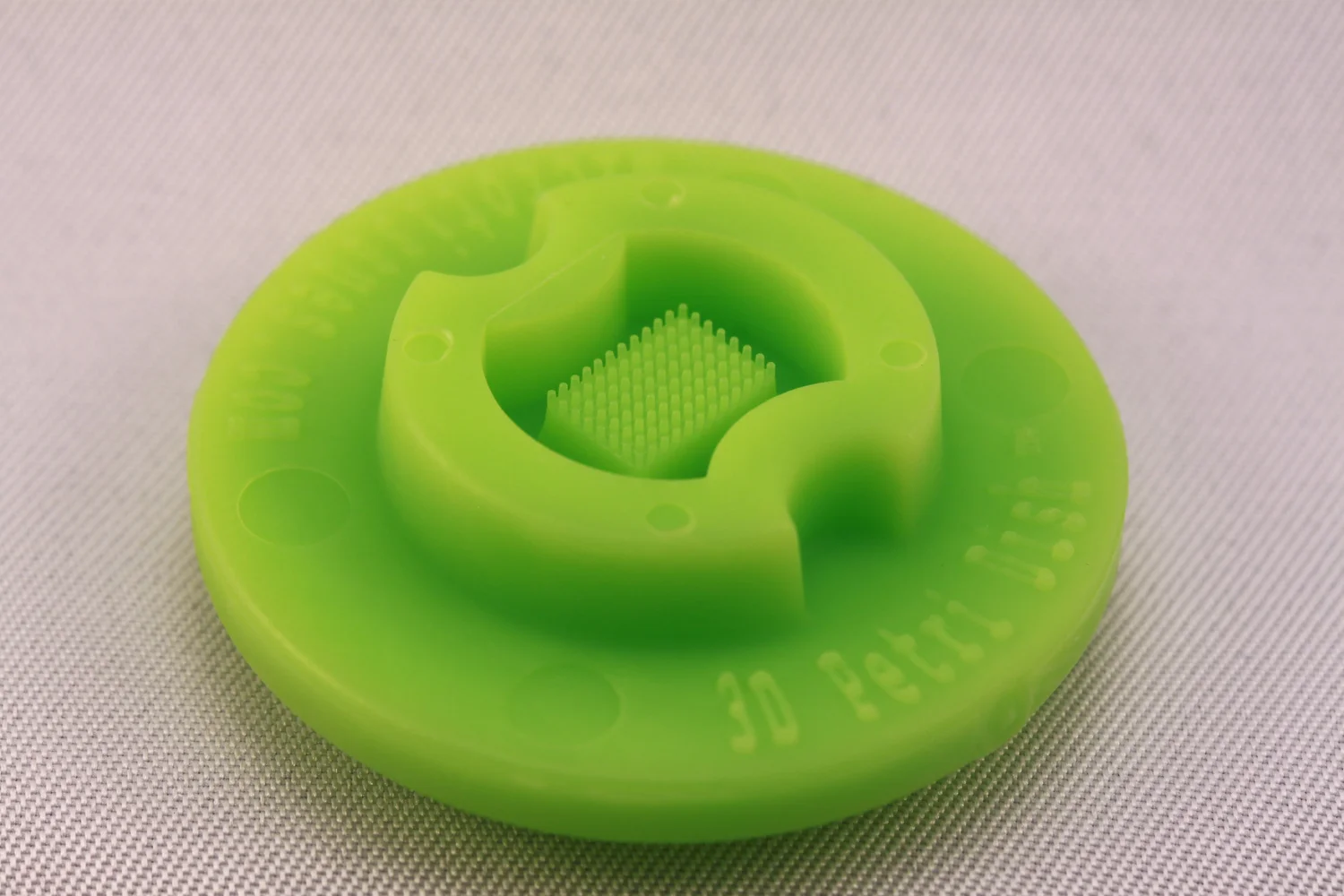
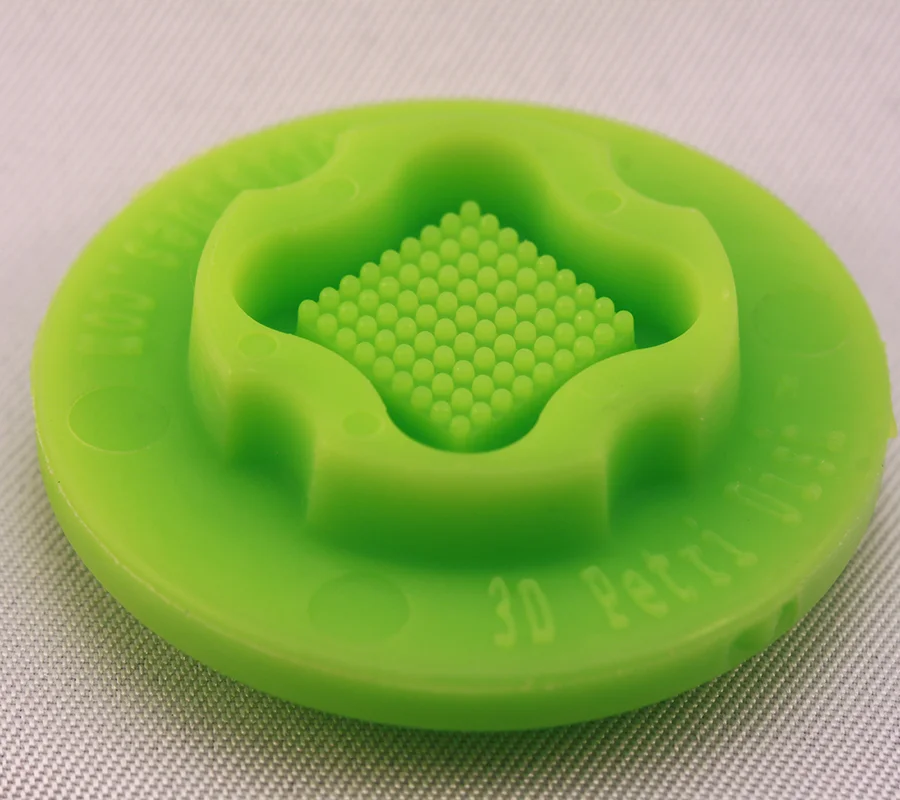
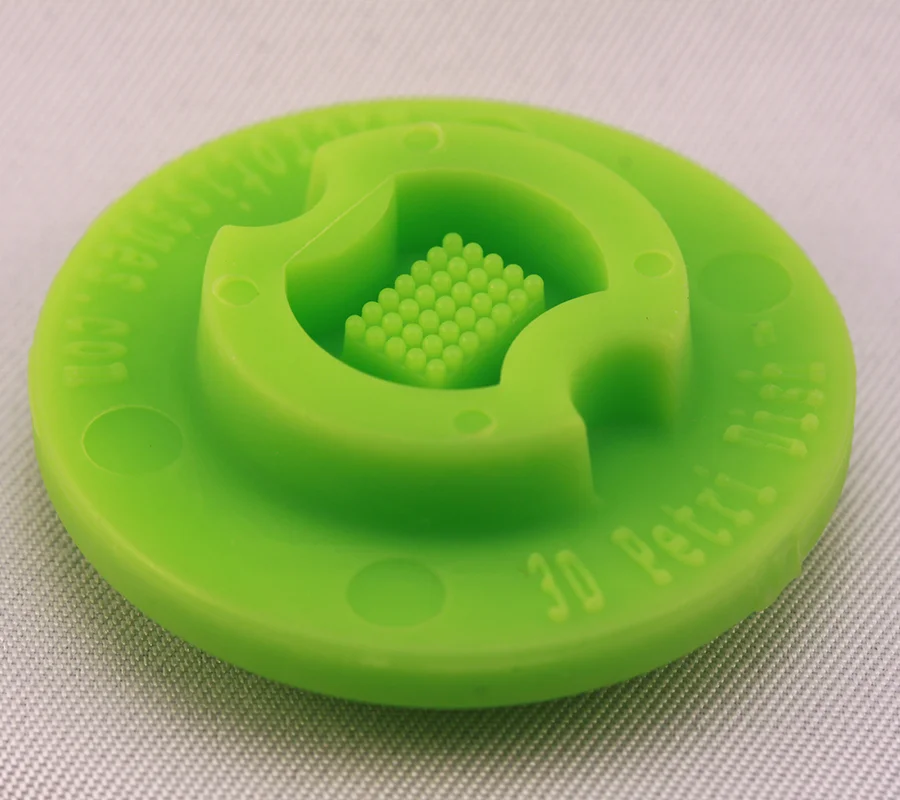
Published in Chemosphere (2023), this peer-reviewed study used 3D Petri Dish® micro-molds to form scaffold-free 3D microtissues. Full citation: Ma, Jianyong, et al. Proarrhythmic toxicity of low dose bisphenol A and its analogs in human iPSC-derived cardiomyocytes and human cardiac organoids through delay of cardiac repolarization
Proarrhythmic toxicity of low dose bisphenol A and its analogs in human iPSC-derived cardiomyocytes and human cardiac organoids through delay of cardiac repolarization
Research Overview
Bisphenol A and its analogs are widespread environmental chemicals with suspected health effects, but their impact on the human heart’s electrical properties at environmentally relevant low doses was not understood — an important gap, since delayed cardiac repolarization can trigger ectopic excitation and malignant arrhythmia.
This study examined low-dose bisphenol exposure in a human-relevant model system to define effects on cardiomyocyte electrical properties, connecting environmental chemical exposure to the same arrhythmic mechanism seen in long QT syndrome and drug cardiotoxicity.
Key Discoveries
- Low-dose bisphenol A effects on cardiac electrical properties tested in a human model system
- Focus on repolarization delay, the mechanism underlying malignant arrhythmia
- Addresses environmentally relevant doses rather than high-dose toxicology