Summary
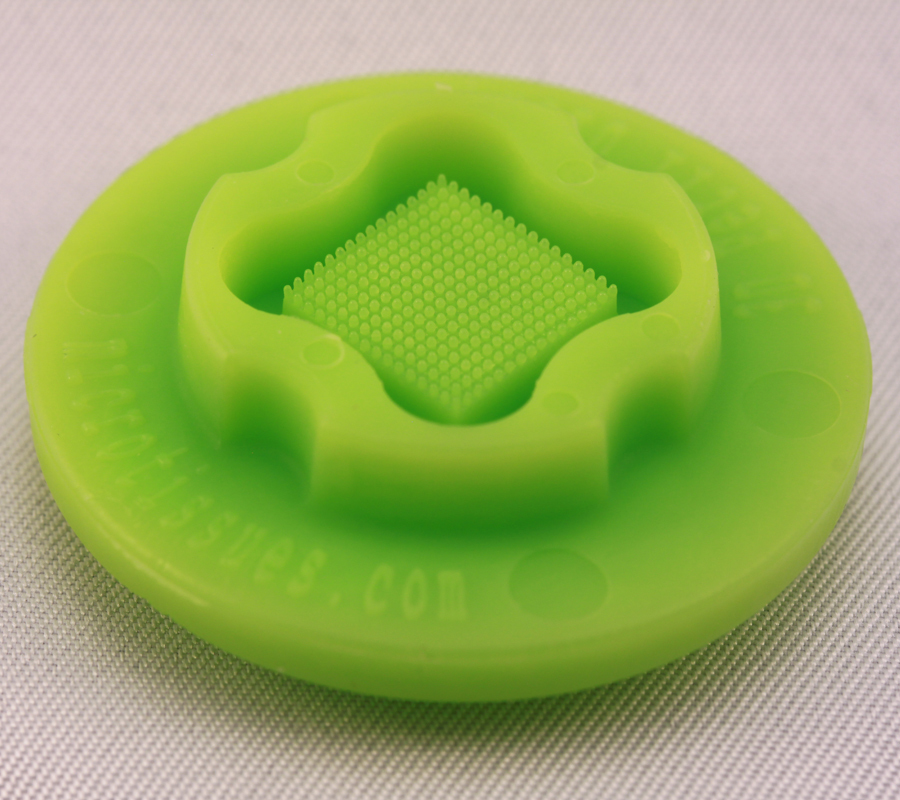
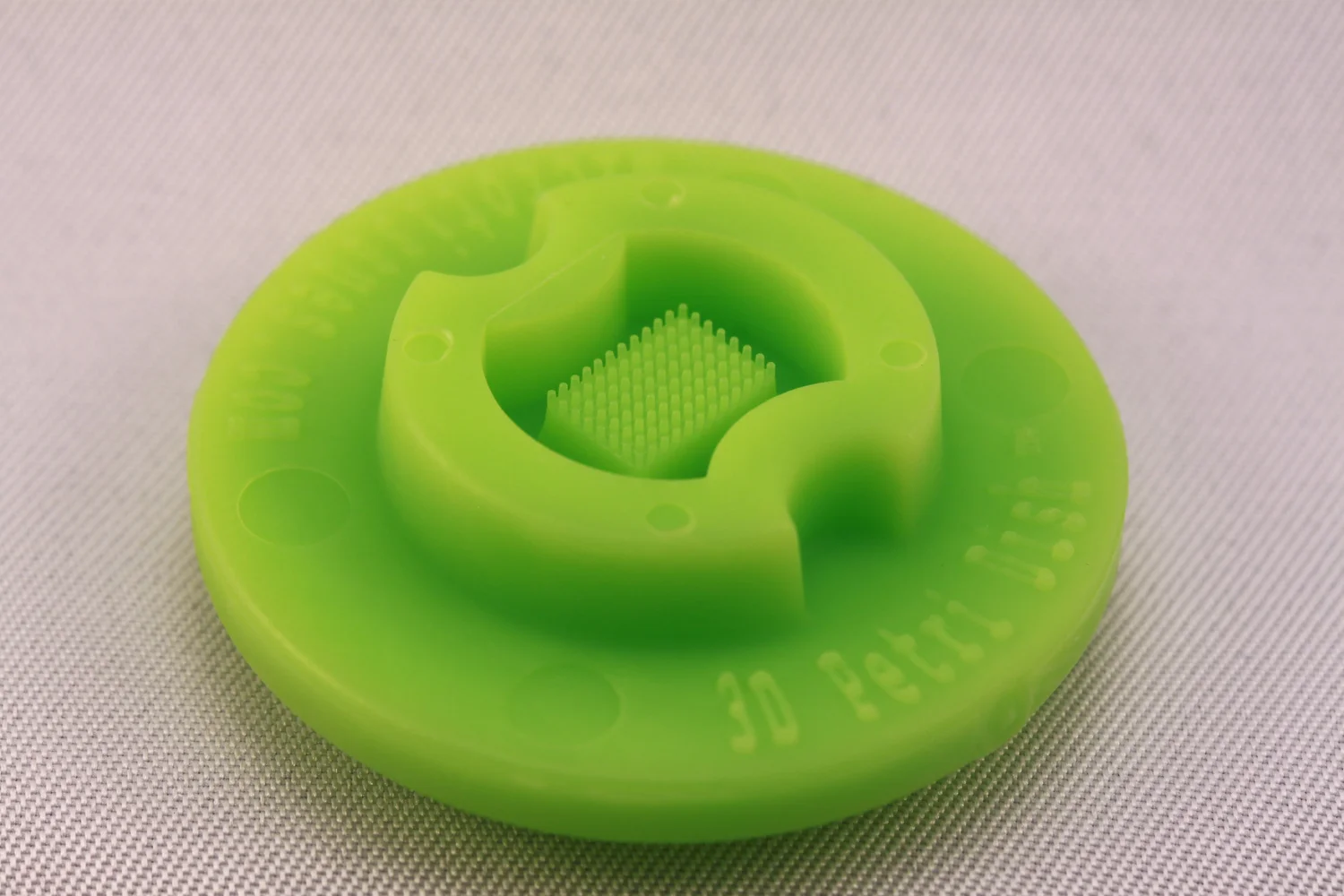
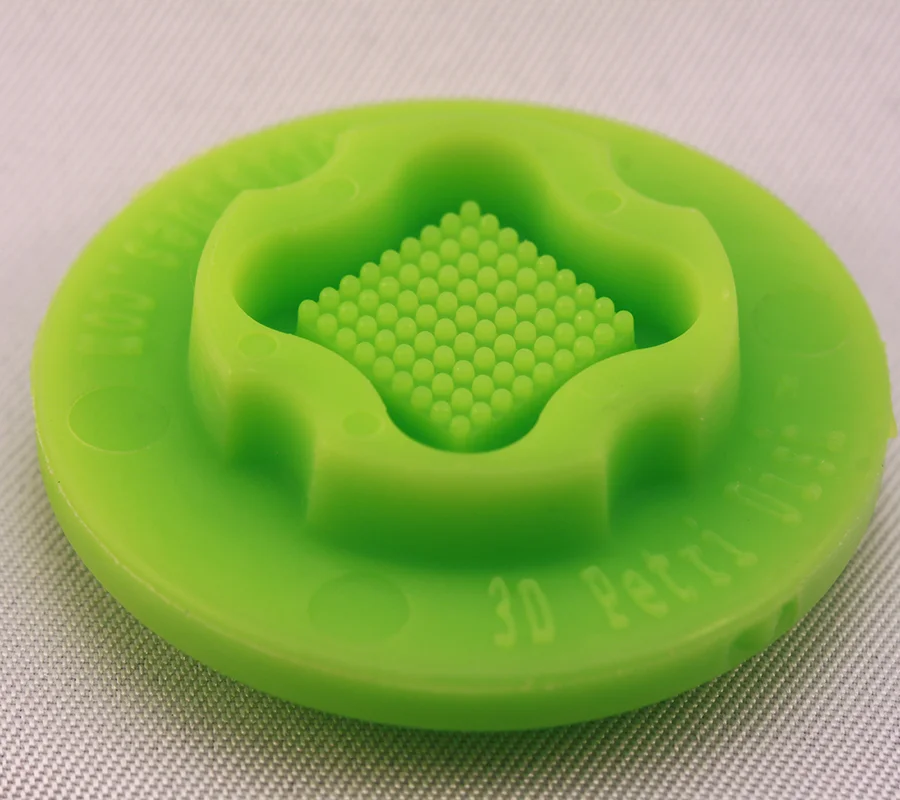
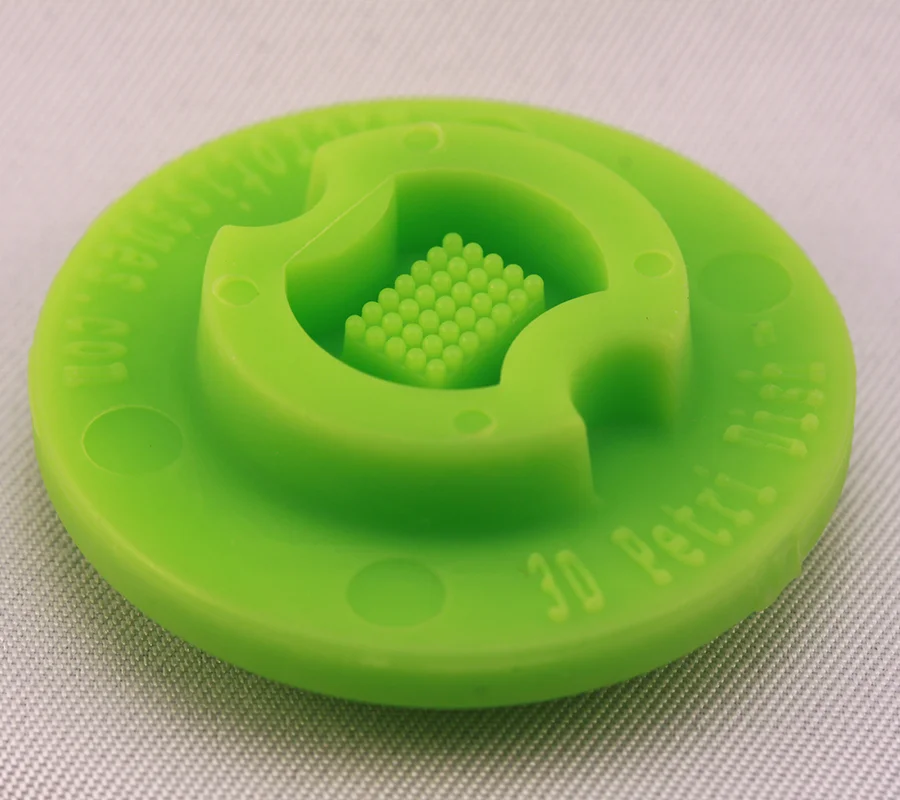
Published in Journal of Cancer (2024), this peer-reviewed study used 3D Petri Dish® micro-molds to form scaffold-free 3D microtissues. Full citation: Kanwal, Madiha, et al. Aspartate β-hydroxylase Regulates Expression of Ly6 Genes
Aspartate β-hydroxylase Regulates Expression of Ly6 Genes
Research Overview
Aspartate β-hydroxylase (ASPH) is overexpressed in many human tumors and drives proliferation, migration, and invasion. Several affected pathways are known, but ASPH has so many potential hydroxylation targets that additional mechanisms seemed likely. This study set out to find them.
ASPH was inhibited with the small molecule MO-I-1151 and separately deactivated by CRISPR/Cas9 in three mouse tumor cell lines, and oncogenicity was measured by proliferation, transwell migration, and spheroid invasion assays. Bulk RNA sequencing then identified differentially expressed genes, verified by quantitative PCR and immunoblotting — pointing to the Ly6 gene family as a new downstream target of ASPH signaling.
Key Discoveries
- ASPH inhibited pharmacologically (MO-I-1151) and genetically (CRISPR/Cas9) in three mouse tumor lines
- Oncogenicity measured by proliferation, transwell, and spheroid invasion assays
- Transcriptomics identified Ly6 genes as ASPH-regulated targets, confirmed by qPCR and immunoblot