Summary
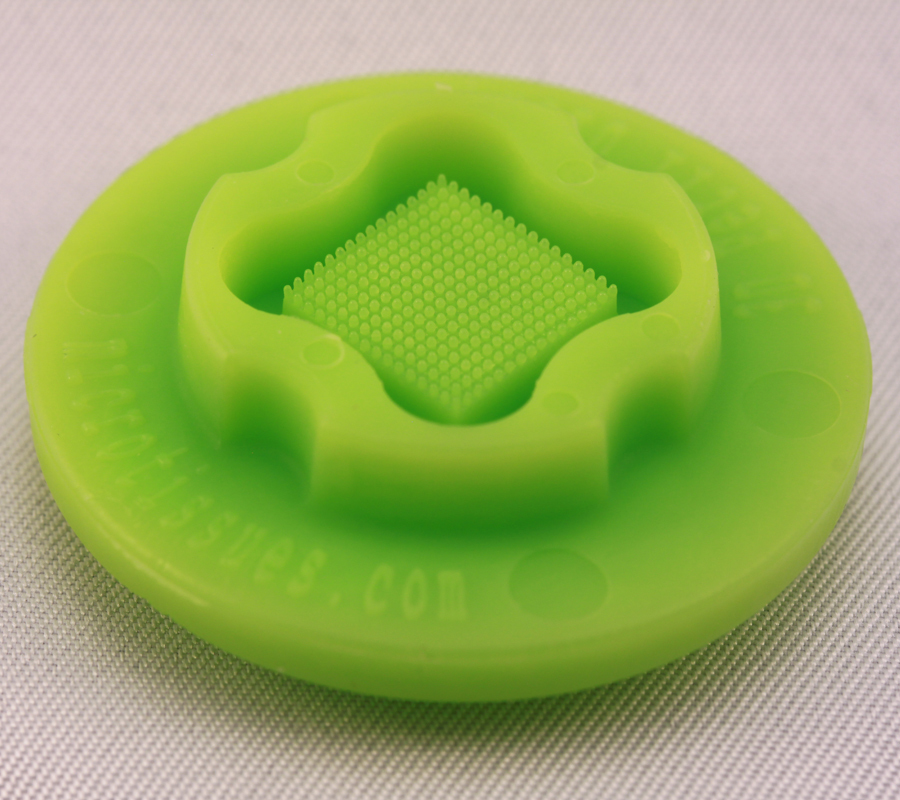
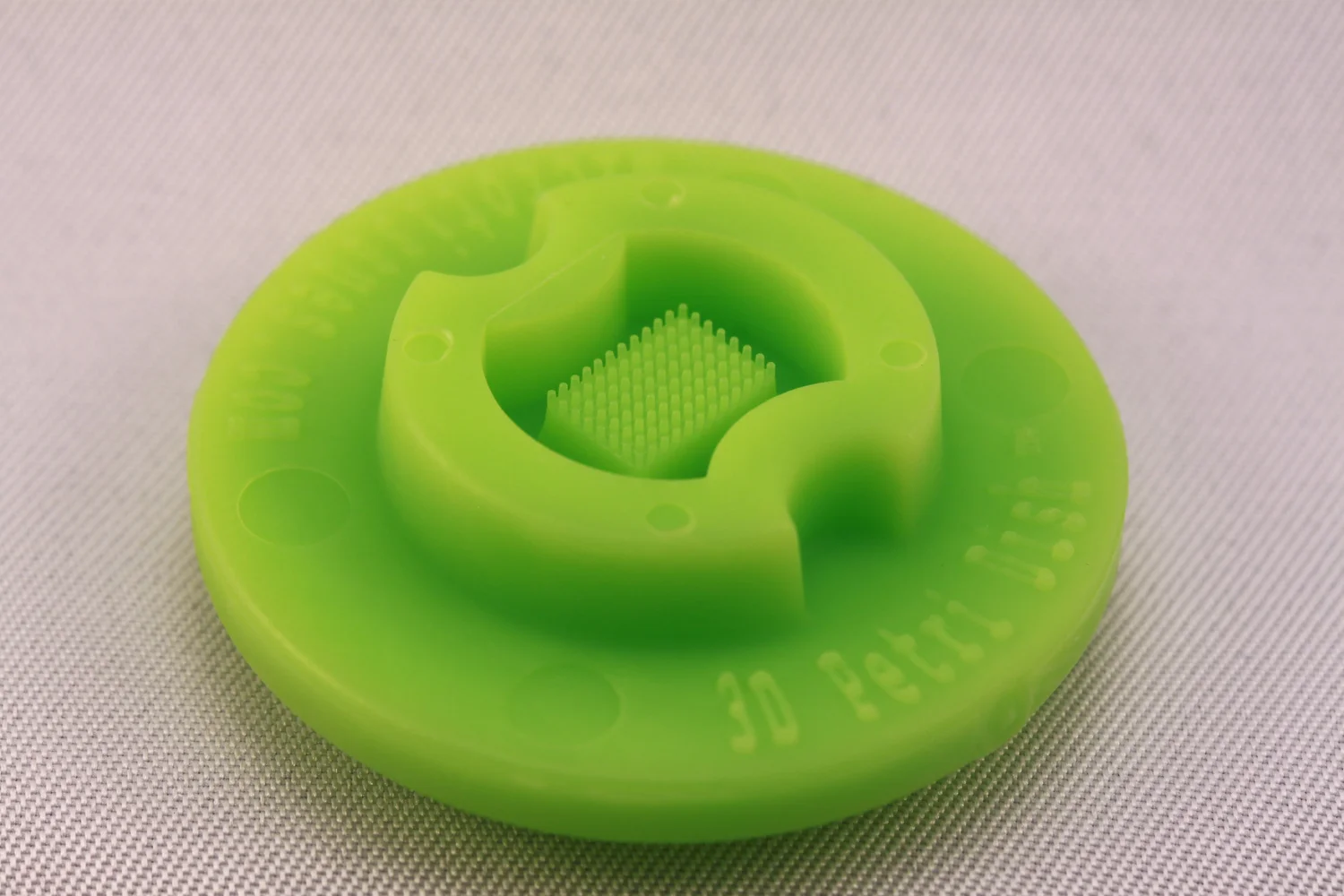
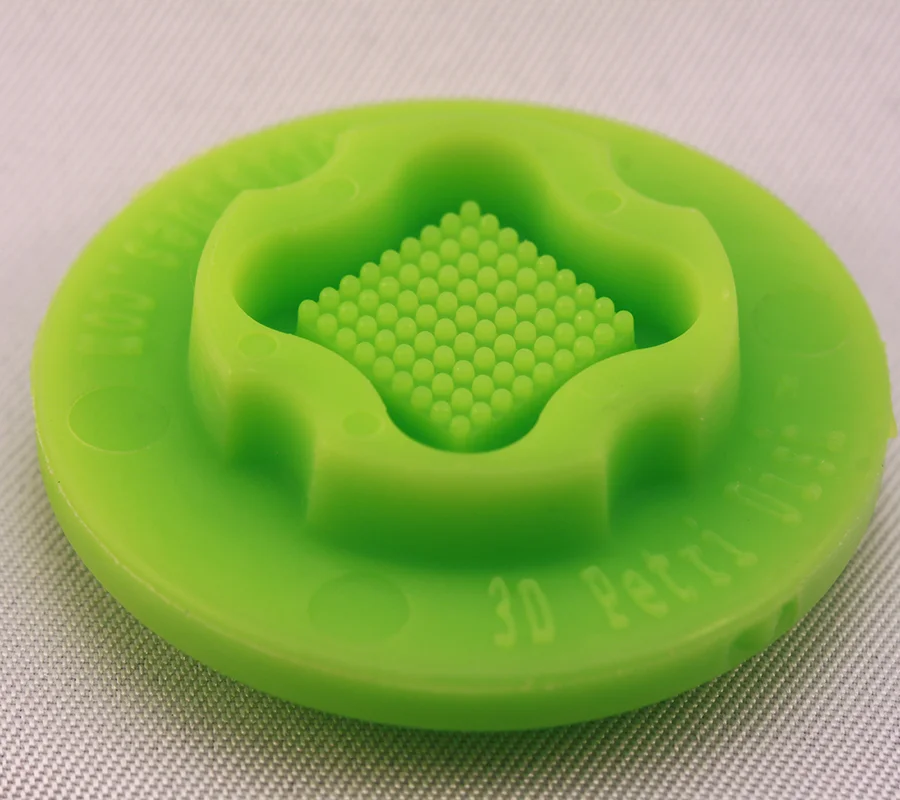
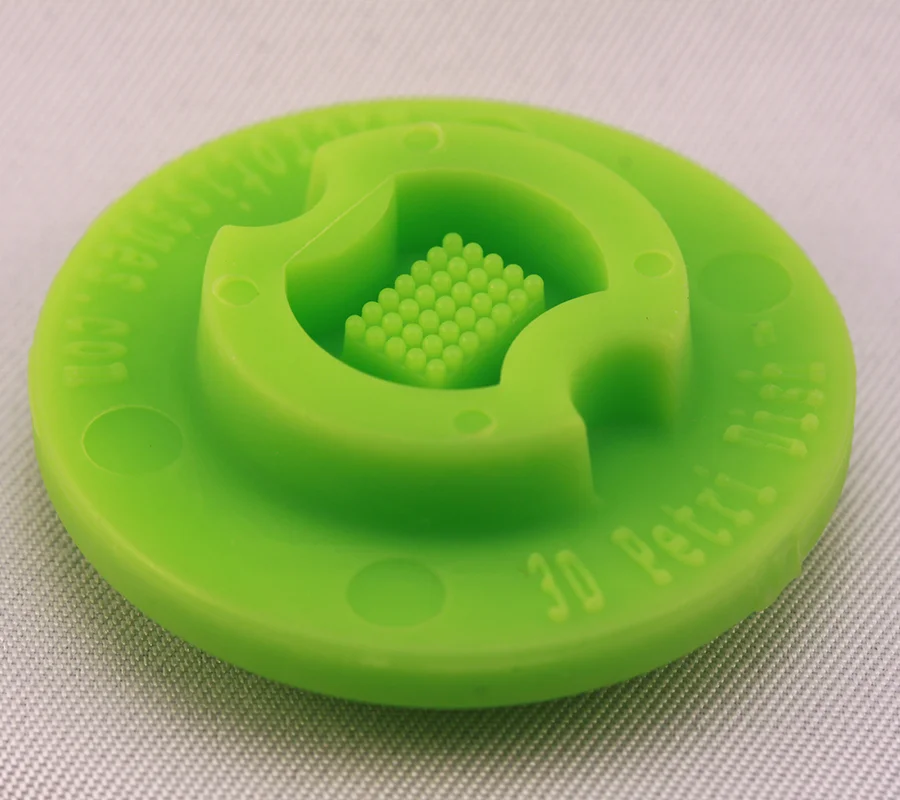
Published in Journal of Periodontology (2019), this peer-reviewed study used 3D Petri Dish® micro-molds to form scaffold-free 3D microtissues. Full citation: Janjić, Klara, et al. Angiogenin production in response to hypoxia and l‐mimosine in periodontal fibroblasts
Angiogenin production in response to hypoxia and l‐mimosine in periodontal fibroblasts
Research Overview
Angiogenin is a major driver of new blood vessel formation and appears early in oral wound healing, but its regulation in periodontal tissue was unclear. This study exposed human periodontal ligament fibroblasts and gingival fibroblasts — cultured both as monolayers and as spheroids — to hypoxia or the hypoxia-mimetic agent L-mimosine, then measured angiogenin at mRNA and protein levels.
Hypoxia and L-mimosine increased angiogenin production in periodontal ligament fibroblast monolayers, and inhibitor experiments with echinomycin implicated hypoxia-inducible factor (HIF)-1 in the response — mapping a regulatory pathway relevant to periodontal regeneration strategies.
Key Discoveries
- Hypoxia and L-mimosine raised angiogenin mRNA and protein in periodontal ligament fibroblasts
- HIF-1 involvement demonstrated via echinomycin inhibition
- Monolayer and spheroid cultures compared for angiogenic response in periodontal cells