Summary
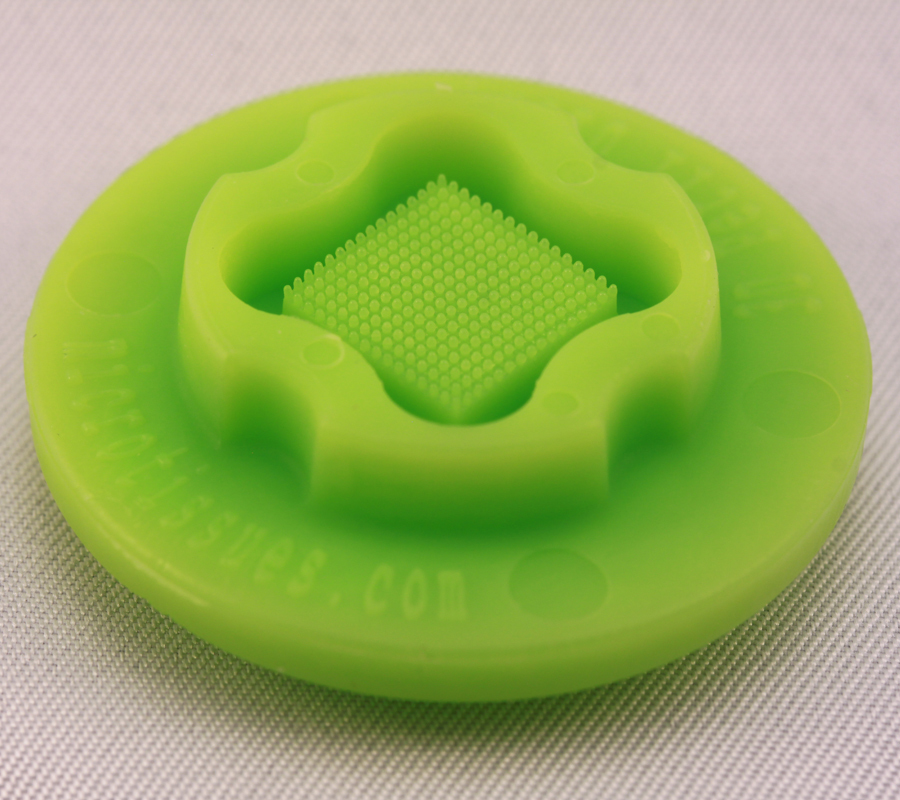
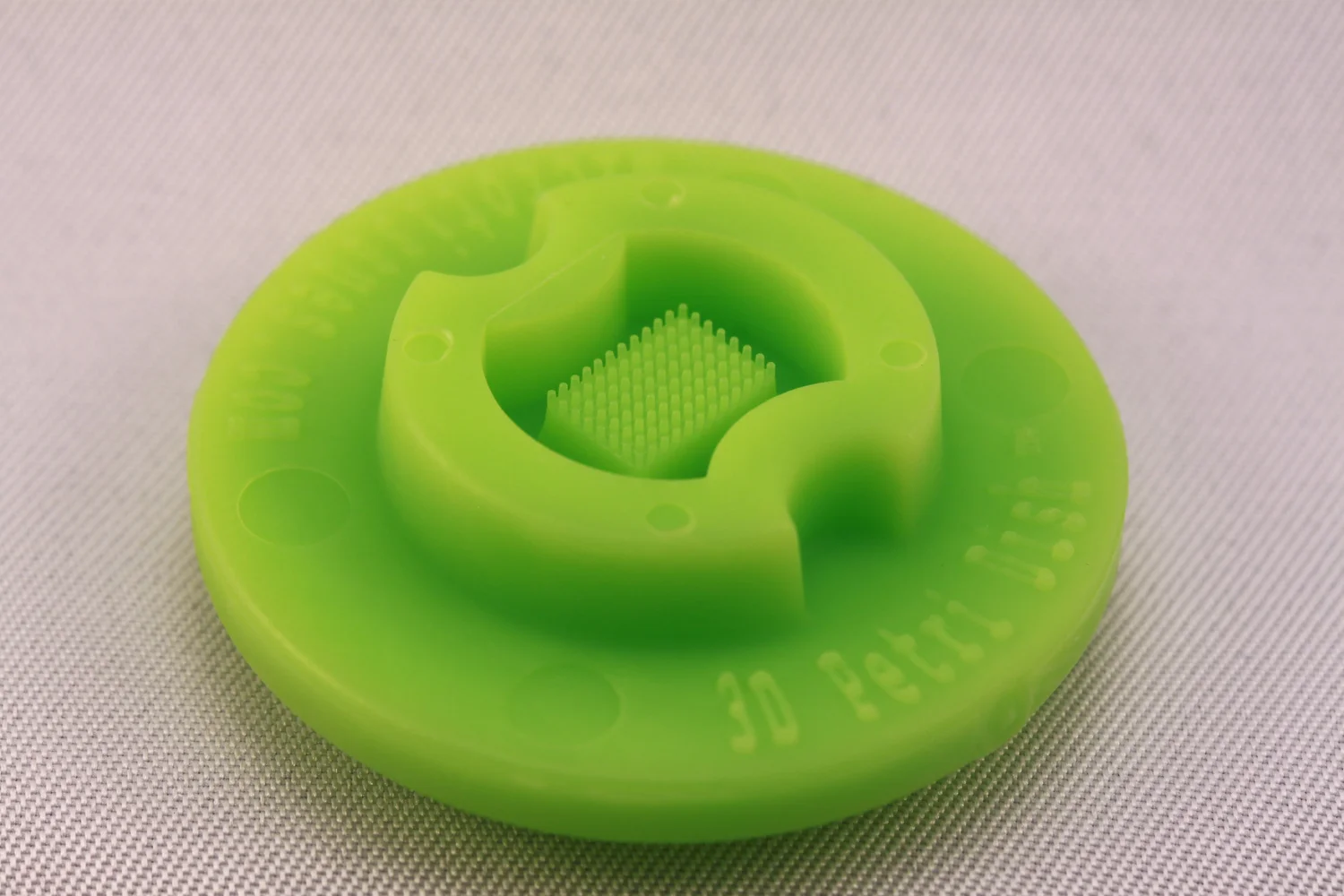
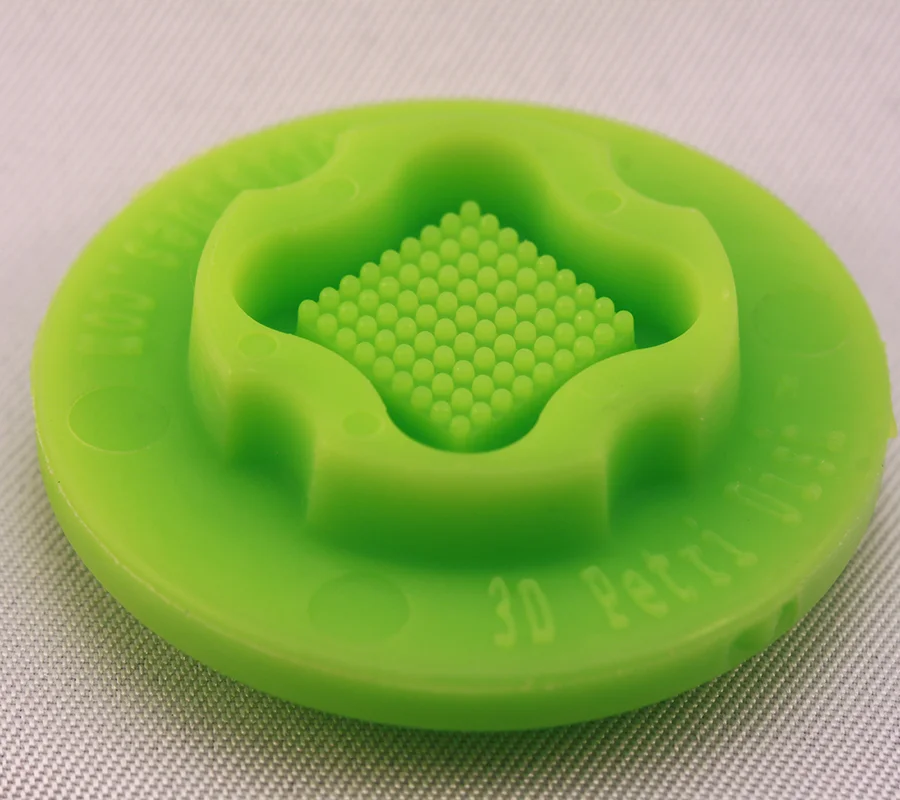
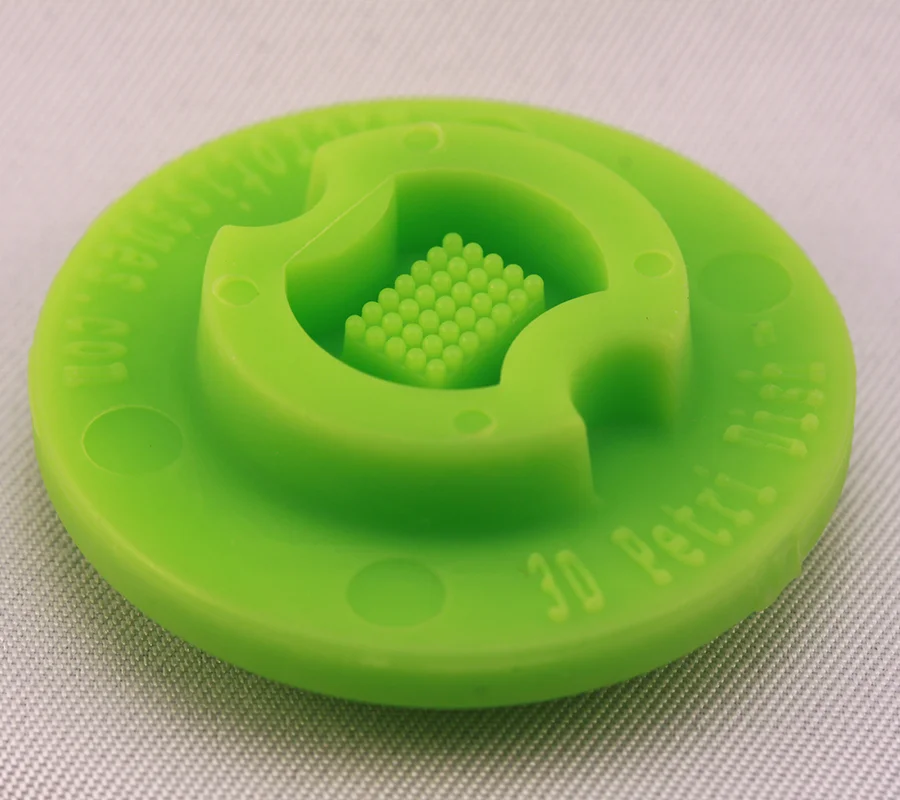
Published in Journal of Traditional Chinese Medical Sciences (2023), this peer-reviewed study used 3D Petri Dish® micro-molds to form scaffold-free 3D microtissues. Full citation: Aro, Rania, et al. Essential tremor: A three-dimensional neurosphere in vitro model to assess the neurotoxicity of harmane
Essential tremor: A three-dimensional neurosphere in vitro model to assess the neurotoxicity of harmane
Research Overview
This study established a 3D neurosphere model for neurotoxicity testing, using harmane as the model compound. Spheroids were formed reproducibly from embryonic mouse cortical neurons in molded agarose micro-wells — an approach the authors highlight as practical because it is customizable, widely available, and lets routine 2D protocols transfer directly, with no special cell treatments or assay components.
Neurotoxic effects were assessed by resazurin viability assay and a sensitive fluorometric readout of reactive oxygen species after exposure to harmane at 50, 100, and 250 µM. The hydrogel micro-wells supported assembly of neuron-containing spheroids suitable for dose-response neurotoxicology in 3D.
Key Discoveries
- Reproducible neurospheres formed from embryonic cortical neurons in molded agarose micro-wells
- Routine 2D viability and ROS assays transferred directly to the 3D format
- Dose-response neurotoxicity of harmane measured at 50-250 µM