Summary
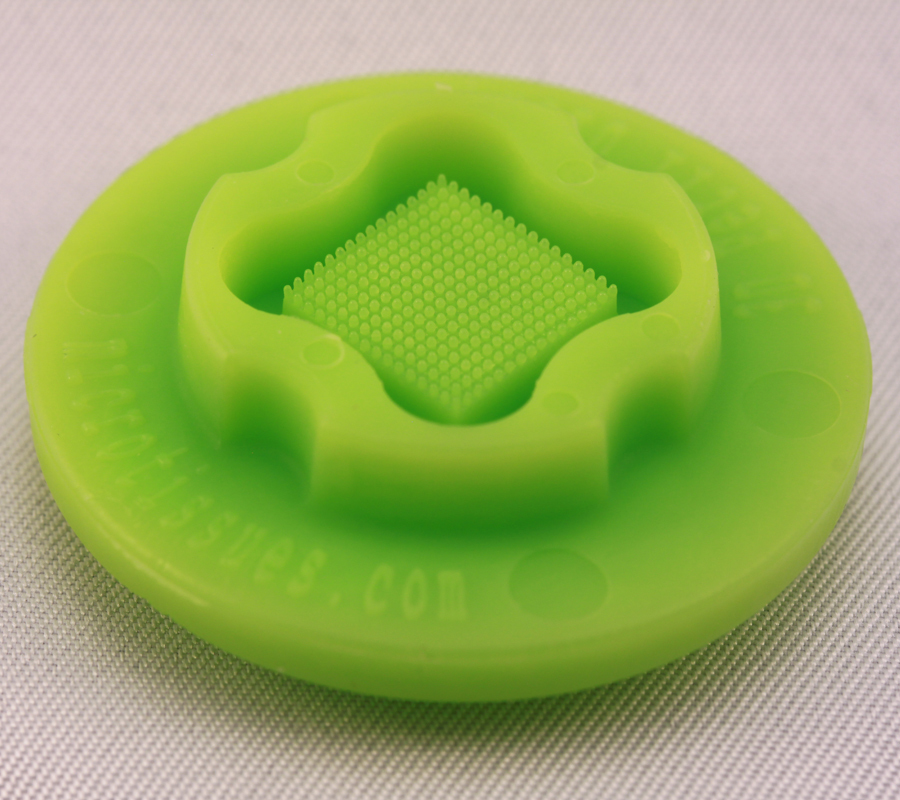
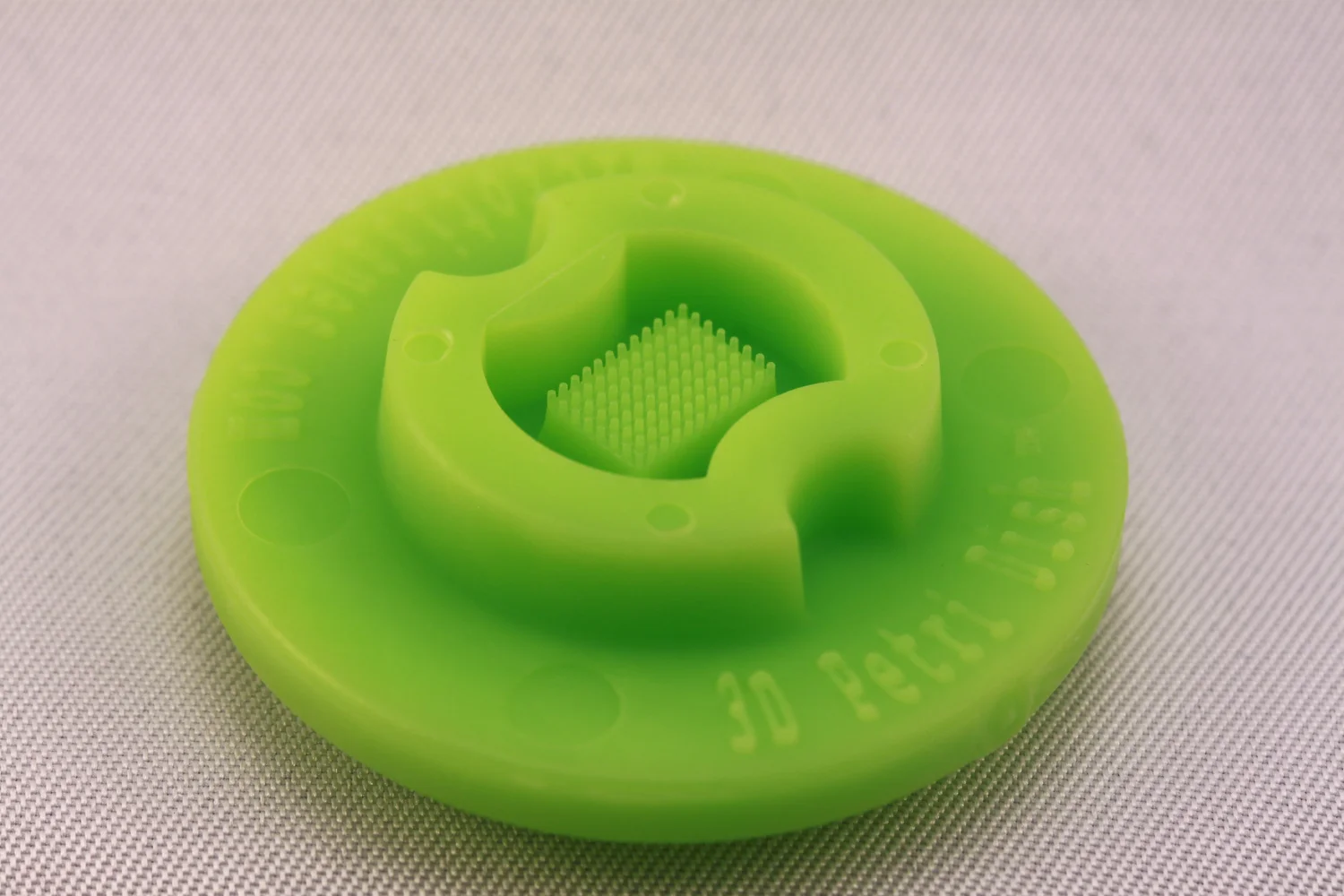
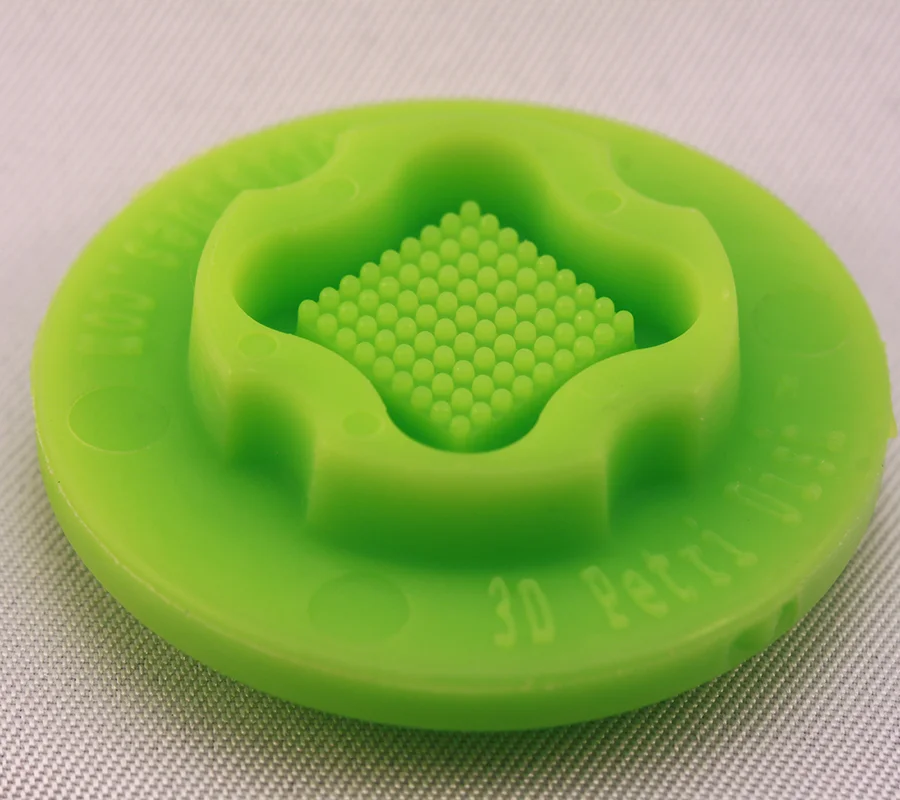
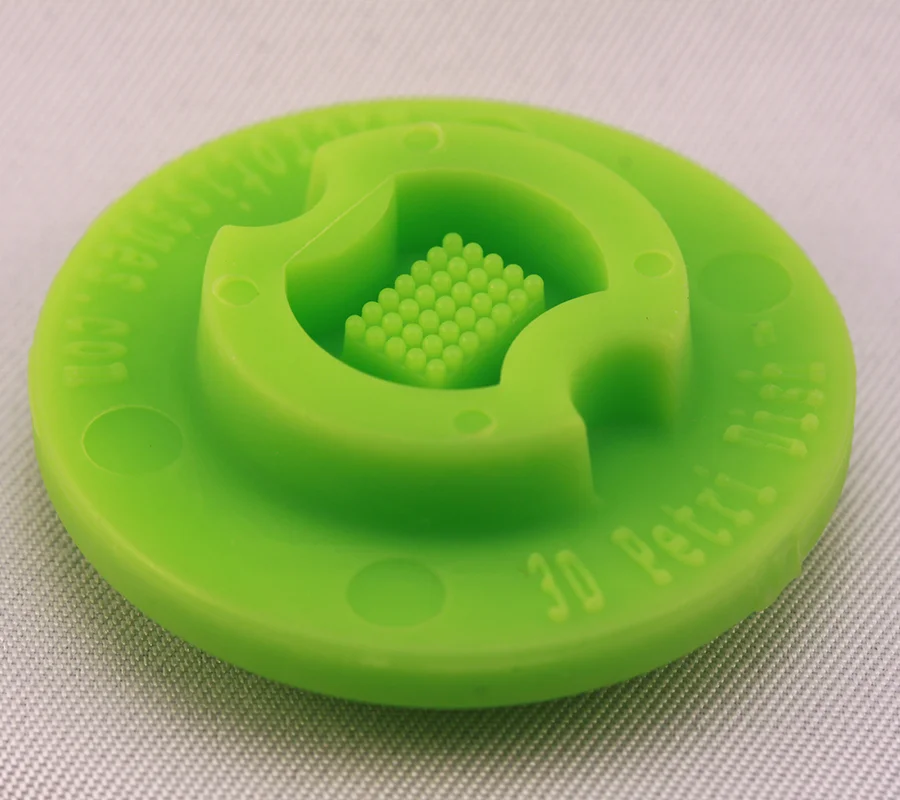
Published in Bioengineering & Translational Medicine (2023), this peer-reviewed study used 3D Petri Dish® micro-molds to form scaffold-free 3D microtissues. Full citation: Pham, Chi H. L., et al. Waffle‐inspired hydrogel‐based macrodevice for spatially controlled distribution of encapsulated therapeutic microtissues and pro‐angiogenic endothelial cells
Waffle‐inspired hydrogel‐based macrodevice for spatially controlled distribution of encapsulated therapeutic microtissues and pro‐angiogenic endothelial cells
Research Overview
Macro-encapsulation devices for cell therapy in diabetes are retrievable and pack cells densely, but microtissues inside them tend to aggregate, and without vasculature the grafts starve for nutrients and oxygen. This study developed a hydrogel macrodevice that holds therapeutic microtissues in a homogeneous spatial distribution while supporting an organized network of vascular-inductive cells.
The Waffle-inspired Interlocking Macro-encapsulation device has two modules with complementary topography that fit together lock-and-key. The waffle-like grid micropattern of the ‘lock’ module entraps insulin-secreting microtissues in separated wells, preventing the aggregation that undermines conventional macro-encapsulation.
Key Discoveries
- Two-module lock-and-key hydrogel device positions microtissues in a homogeneous grid
- Waffle-pattern wells prevent microtissue aggregation inside the device
- Design supports an organized intra-device network of vascular-inductive cells