Summary
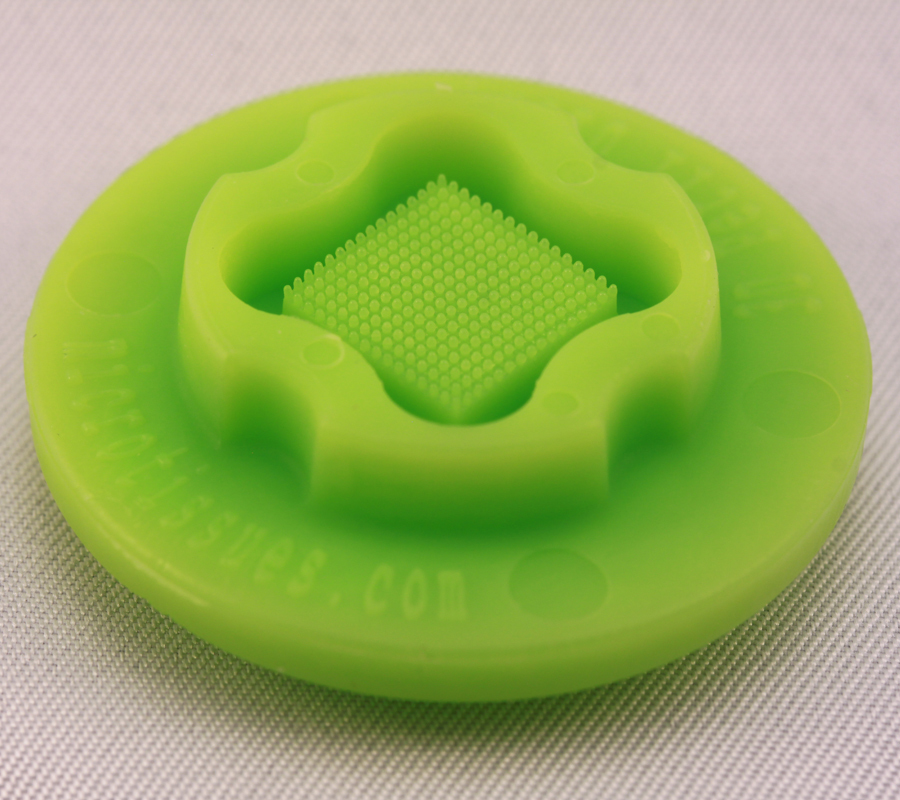
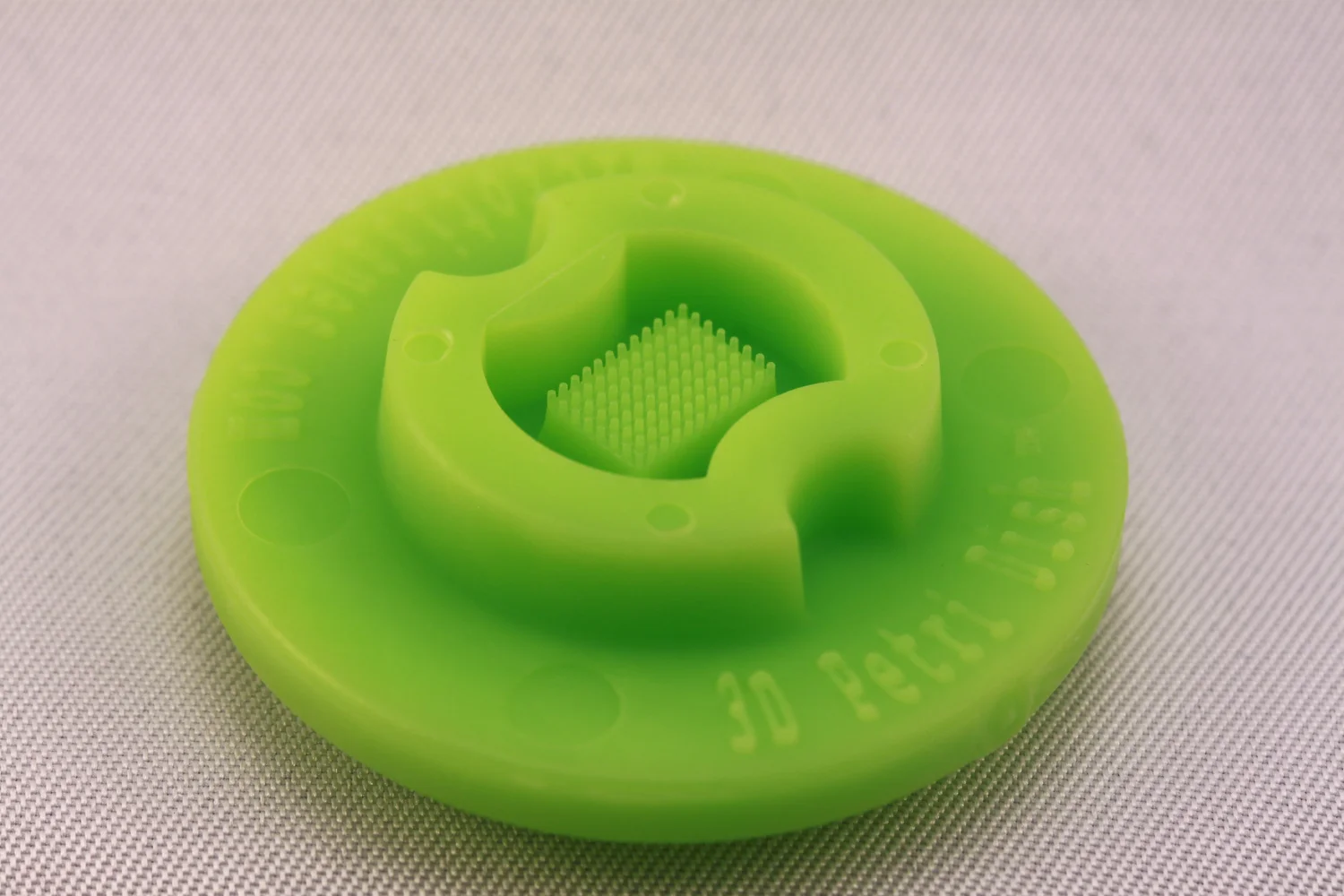
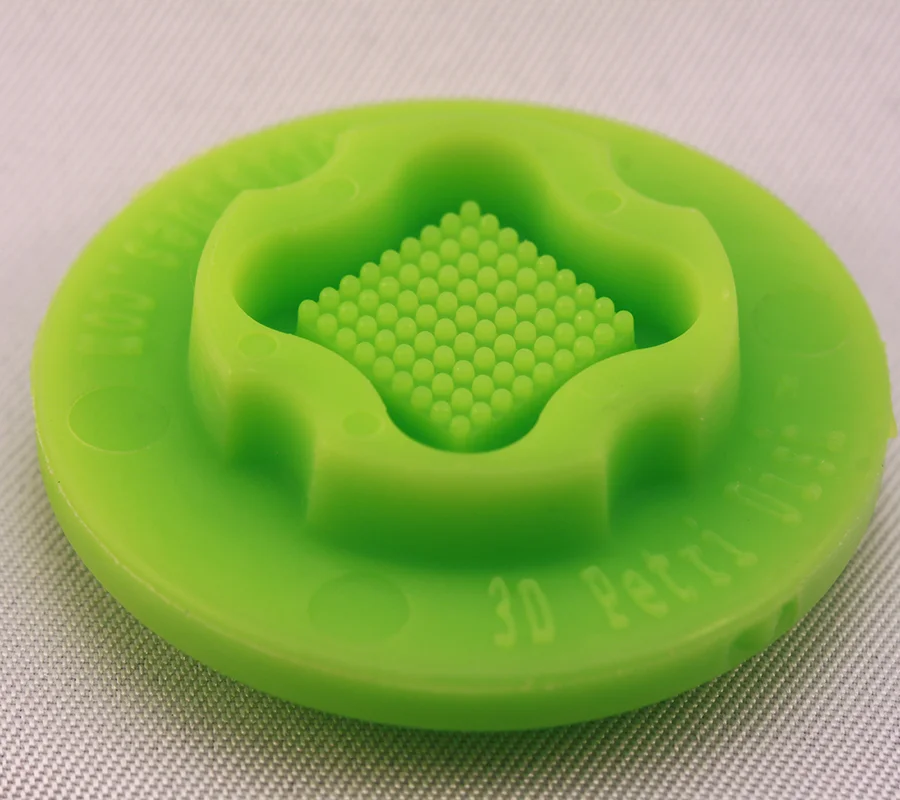
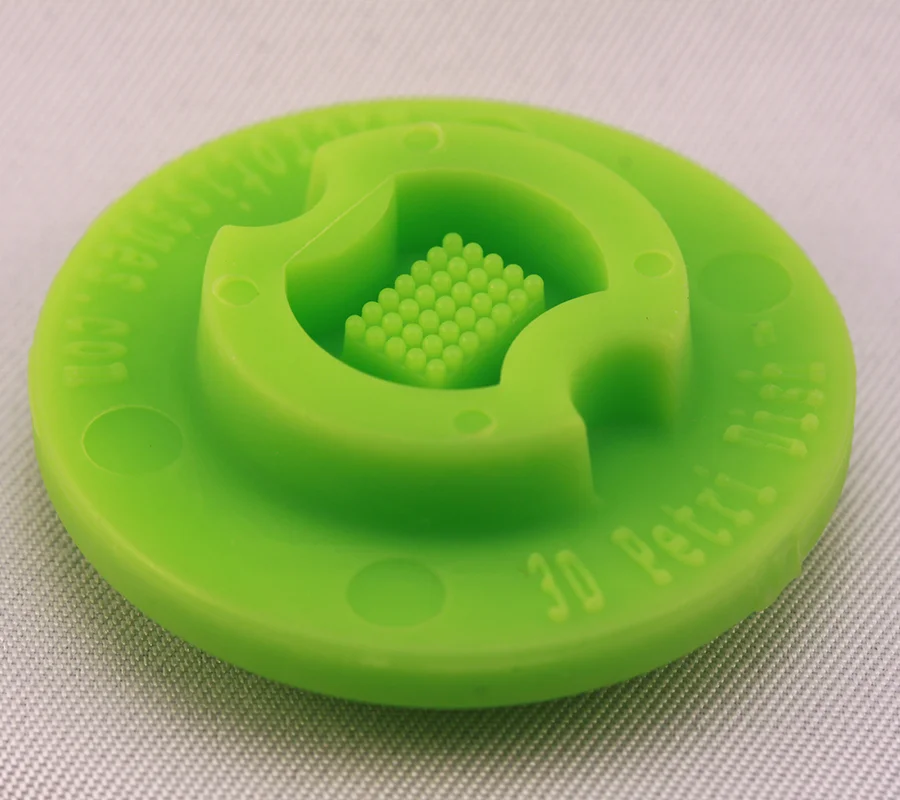
Published in 3D Printing and Additive Manufacturing (2017), this peer-reviewed study used 3D Petri Dish® micro-molds to form scaffold-free 3D microtissues. Full citation: Koudan, Elizaveta V., et al. The Scalable Standardized Biofabrication of Tissue Spheroids from Different Cell Types Using Nonadhesive Technology
The Scalable Standardized Biofabrication of Tissue Spheroids from Different Cell Types Using Nonadhesive Technology
Research Overview
This study proposed a straightforward procedure for biofabricating and characterizing tissue spheroids with controllable parameters using nonadhesive technology, deliberately testing across four very different cell types: HEK293, primary human fibroblasts, primary sheep chondrocytes, and primary sheep osteoblasts.
Spheroid generation proved reproducible and scalable, final spheroid diameter depended strongly on initial seeding density and cell type, and viability was governed by cell derivation. The authors distilled the results into a decision procedure any lab can follow when preparing a new spheroid type from an unfamiliar cell source.
Key Discoveries
- Reproducible, scalable spheroid biofabrication validated across four distinct cell types
- Final spheroid diameter depended strongly on seeding density and cell type
- Decision procedure provided for adapting the method to any new cell type