Summary
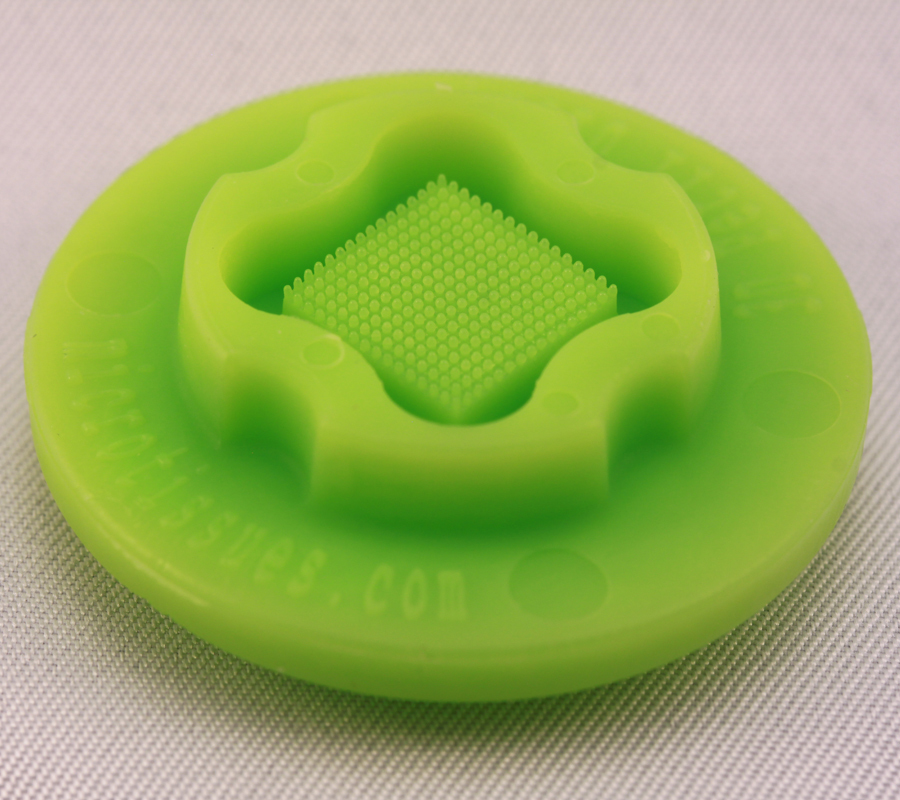
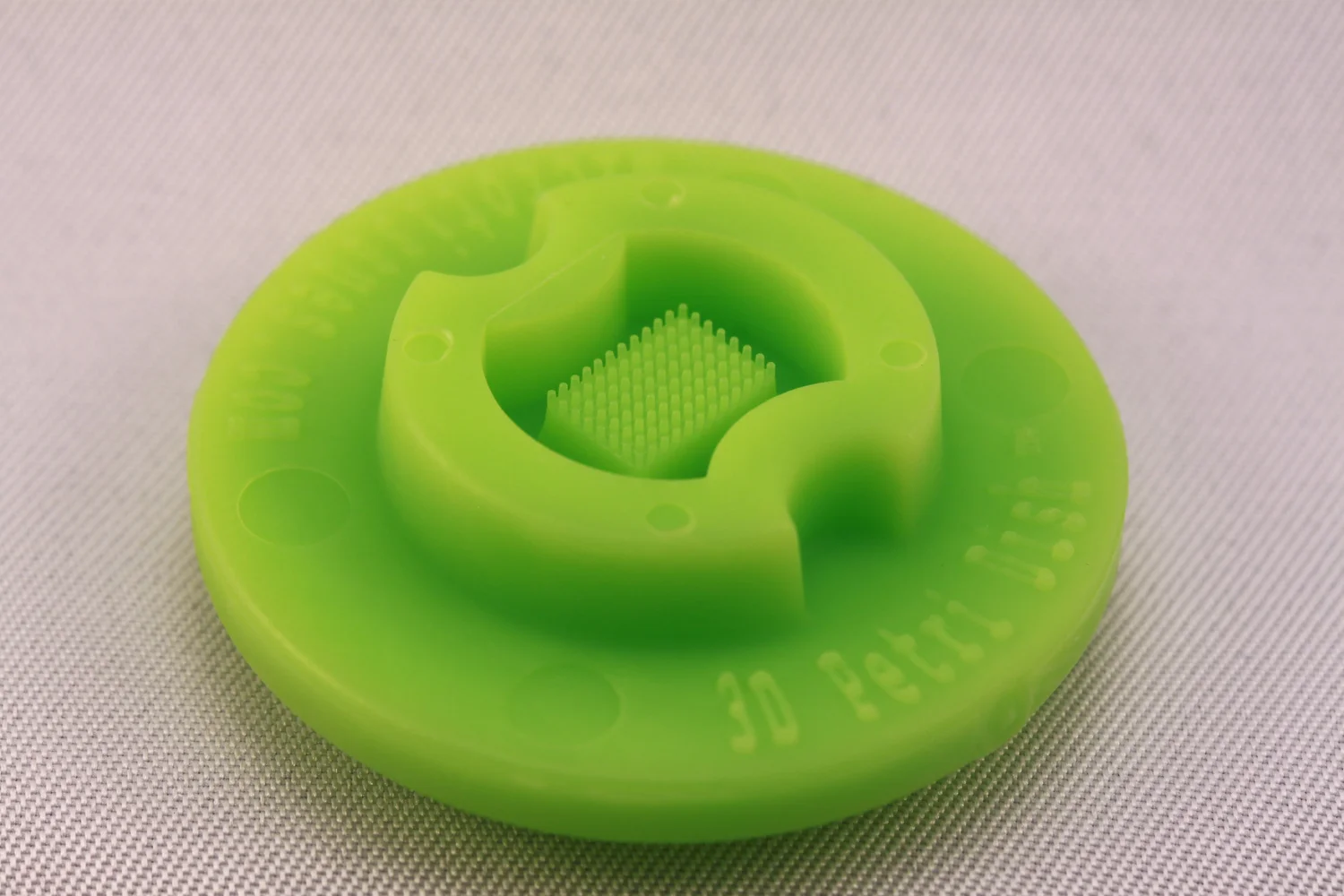
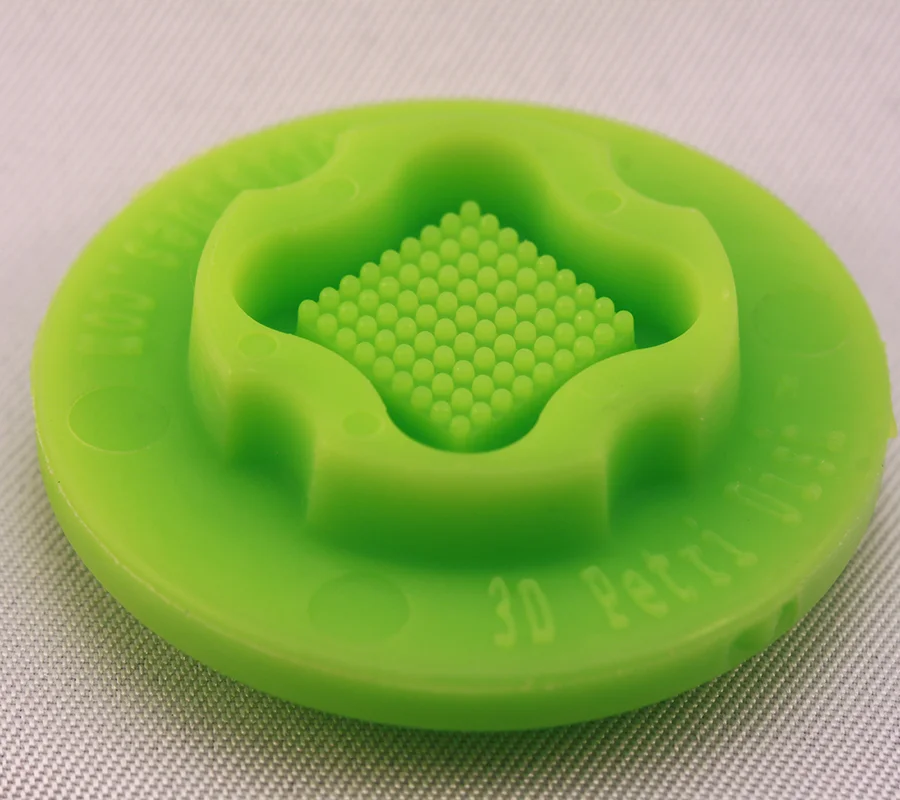
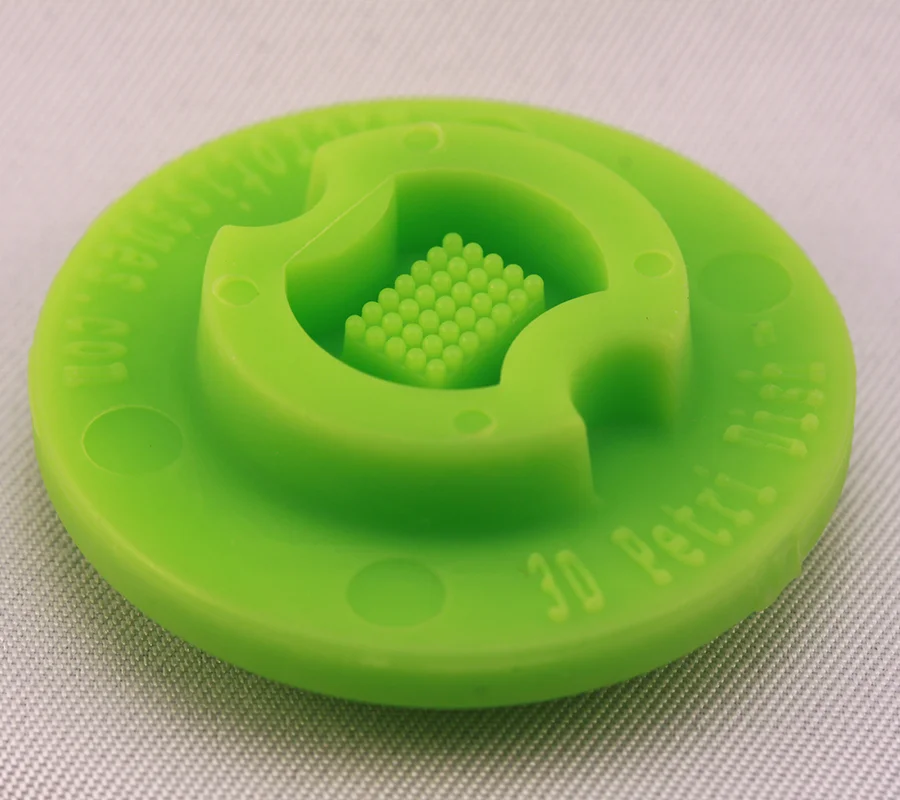
Published in Biomaterials Advances (2024), this peer-reviewed study used 3D Petri Dish® micro-molds to form scaffold-free 3D microtissues. Full citation: Sheremetyev, V., et al. Surface modification of the laser powder bed-fused Ti-Zr-Nb scaffolds by dynamic chemical etching and Ag nanoparticles decoration
Surface modification of the laser powder bed-fused Ti-Zr-Nb scaffolds by dynamic chemical etching and Ag nanoparticles decoration
Research Overview
Metallic lattice scaffolds are designed to mimic bone architecture and mechanics, making their surface compatibility critical. This study presented a surface modification protocol for lattice scaffolds printed from a superelastic Ti-Zr-Nb alloy.
The protocol pairs dynamic chemical etching — using an HF/HNO3/H2O2-based solution to strip partially fused particles from as-built surfaces of rhombic dodecahedron, sheet gyroid, and Voronoi polyhedra lattices — with subsequent decoration by silver nanoparticles to synthesize an antibacterial coating.
Key Discoveries
- Dynamic chemical etching removed partially fused particles from three lattice geometries
- Silver nanoparticle decoration added an antibacterial surface coating
- Protocol developed for superelastic Ti-Zr-Nb alloy bone scaffolds