Summary
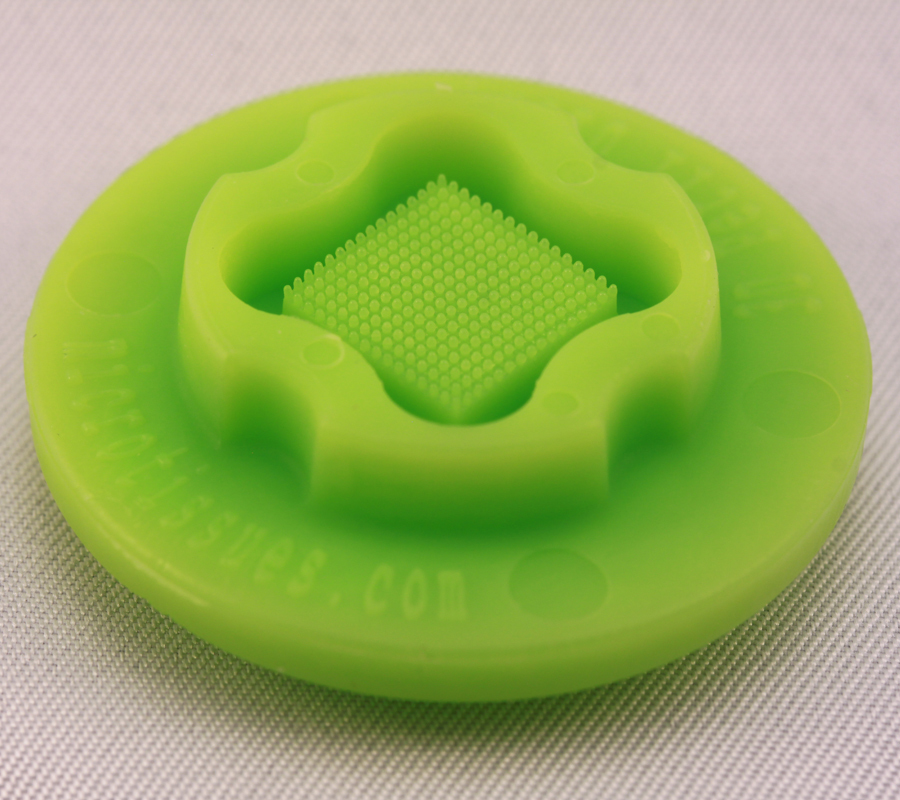
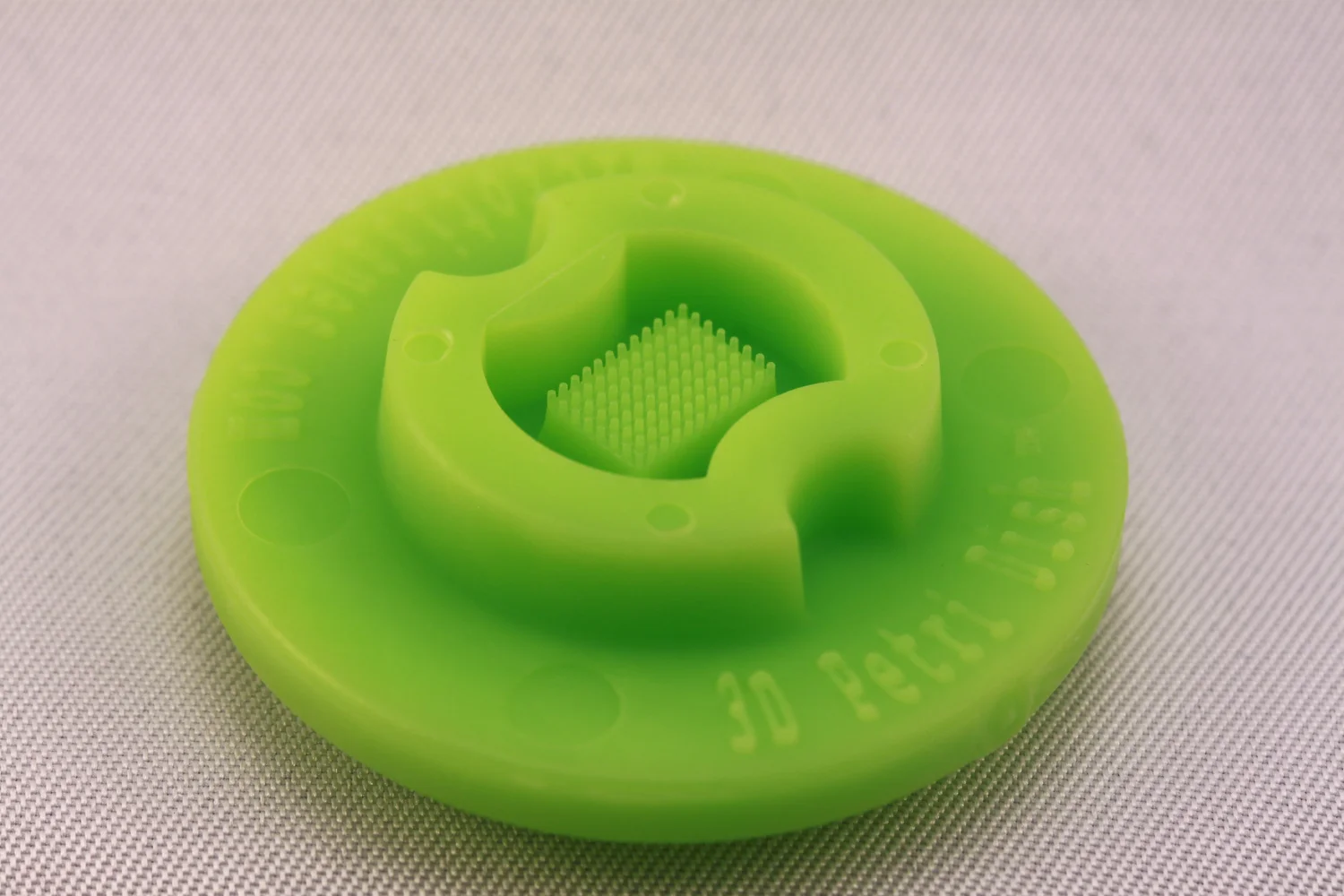
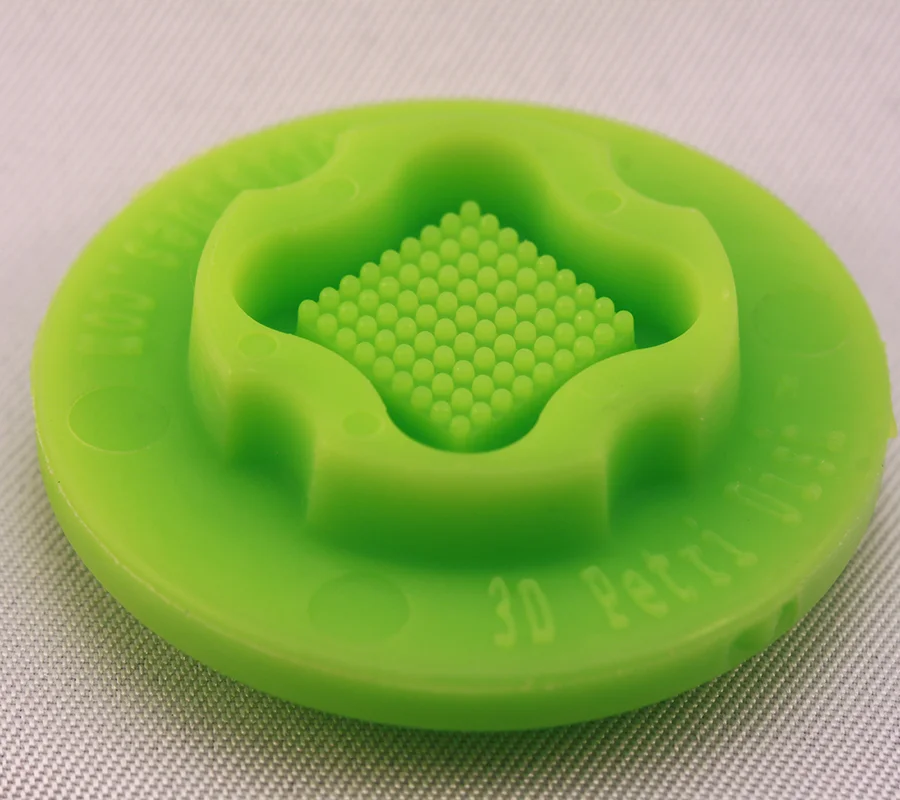
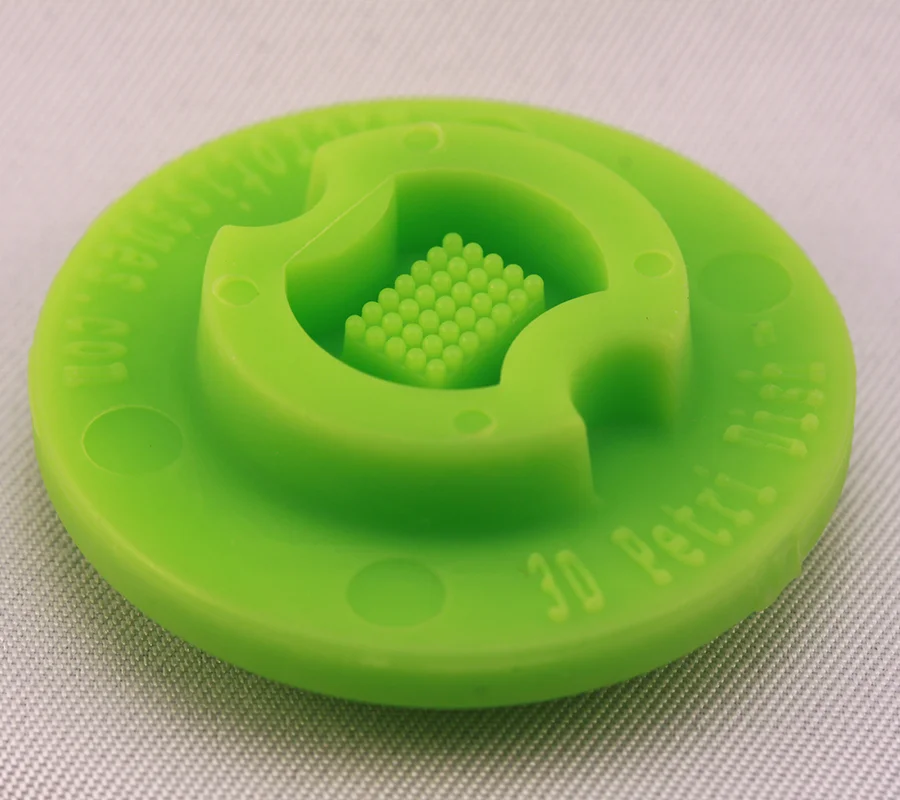
Published in Frontiers in Pharmacology (2025), this publication cites the 3D Petri Dish® micro-mold system rather than reporting its own experimental use of it. Full citation: Li, Zhimin, et al. Strategy advancements in placental pharmacokinetics: from in vitro experiments to in silico prediction
Strategy advancements in placental pharmacokinetics: from in vitro experiments to in silico prediction
Research Overview
The placental barrier governs drug transport between mother and fetus and is central to assessing fetal exposure risk — yet because pregnant women are usually excluded from clinical trials, pharmacokinetic data on placental transport are scarce. In vitro experiments and in silico simulation are therefore the primary tools.
This systematic review evaluated cell monolayer models, ex vivo placental perfusion, organ-on-a-chip platforms, and model-based computational simulations, weighing the strengths, limitations, and future potential of each. The literature base included seven cell-model studies, 28 ex vivo perfusion studies, and six organ-on-a-chip studies, among others.
Key Discoveries
- Systematic review of in vitro and in silico methods for placental drug-transport pharmacokinetics
- Compared cell monolayers, ex vivo perfusion, organ-on-a-chip, and computational models
- Ex vivo perfusion dominated the literature (28 studies) versus 7 cell-model and 6 chip studies