Summary
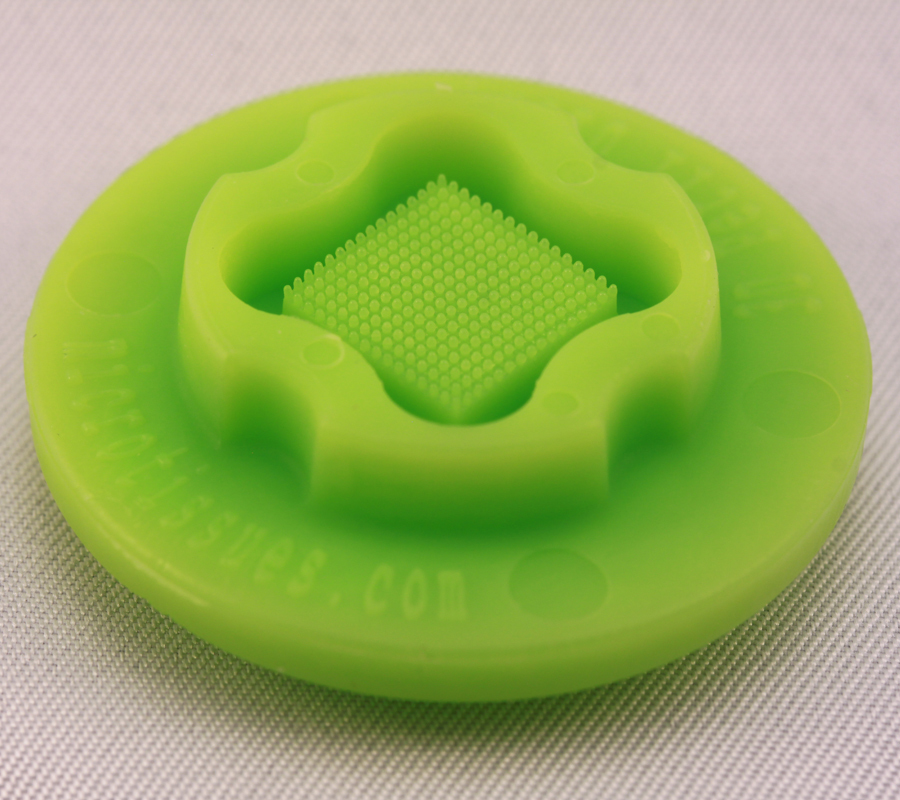
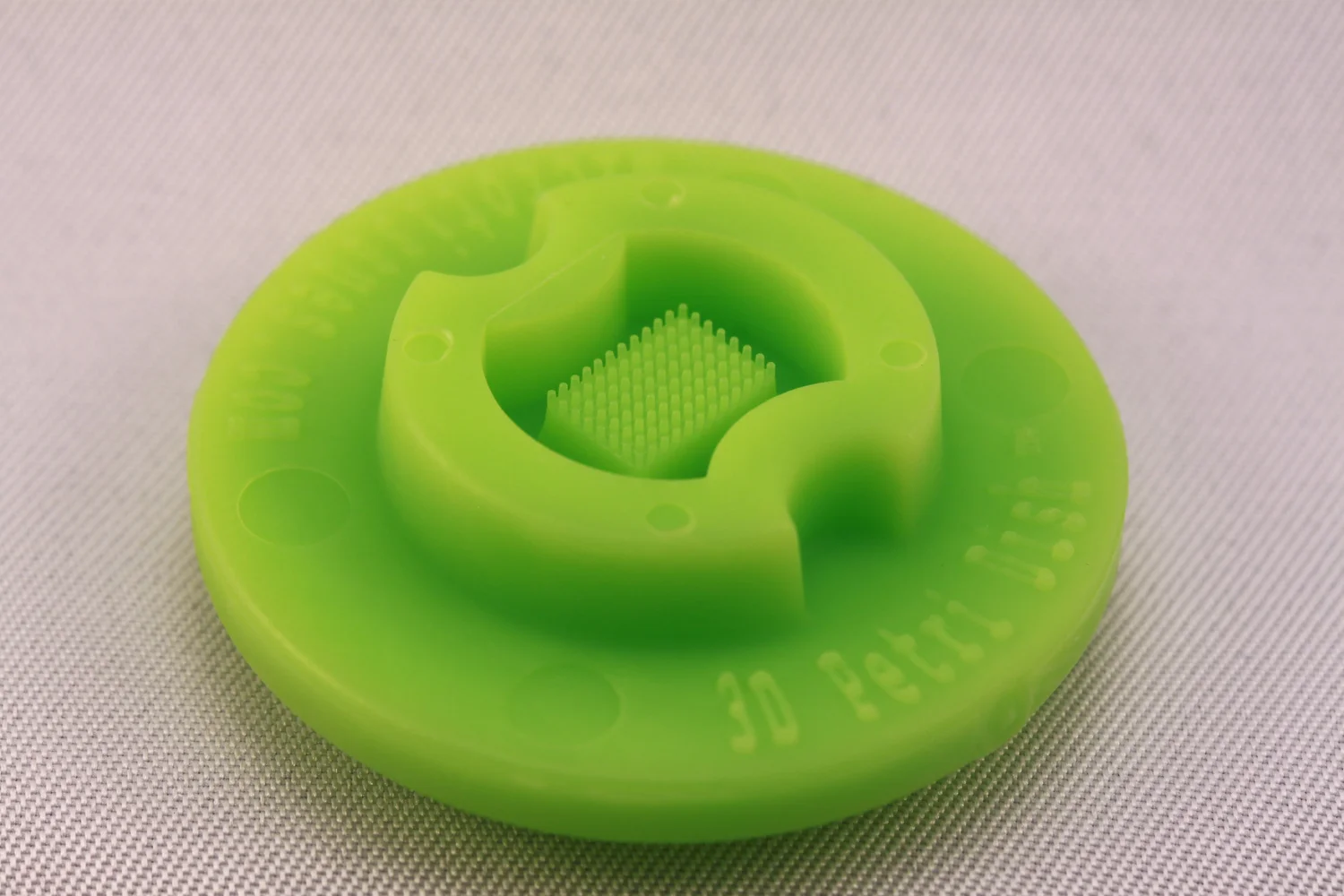
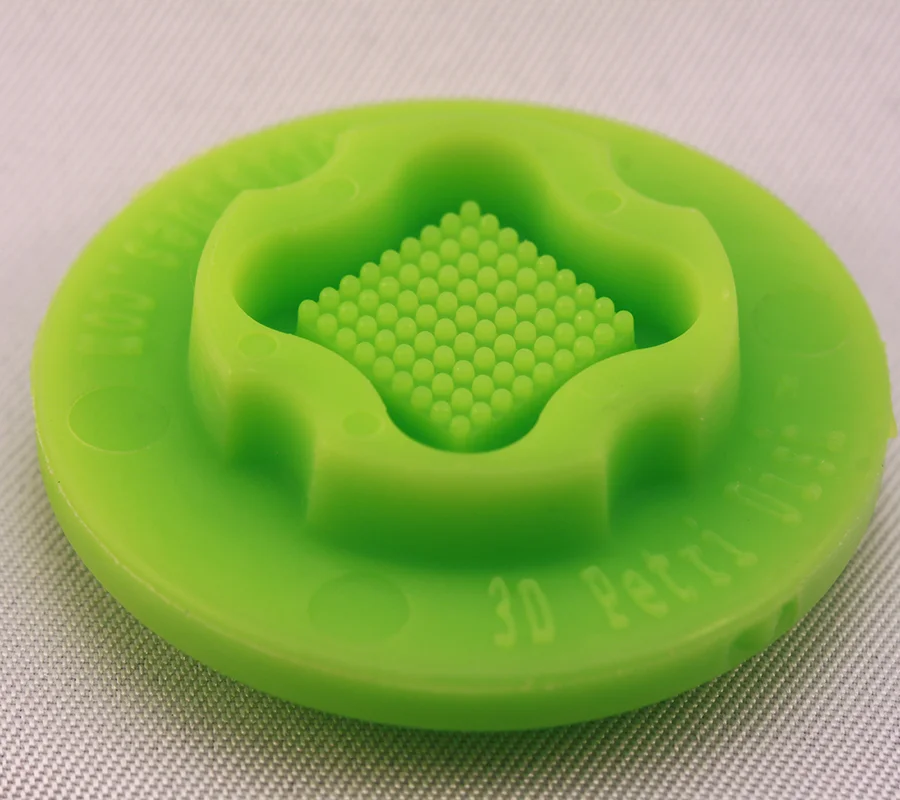
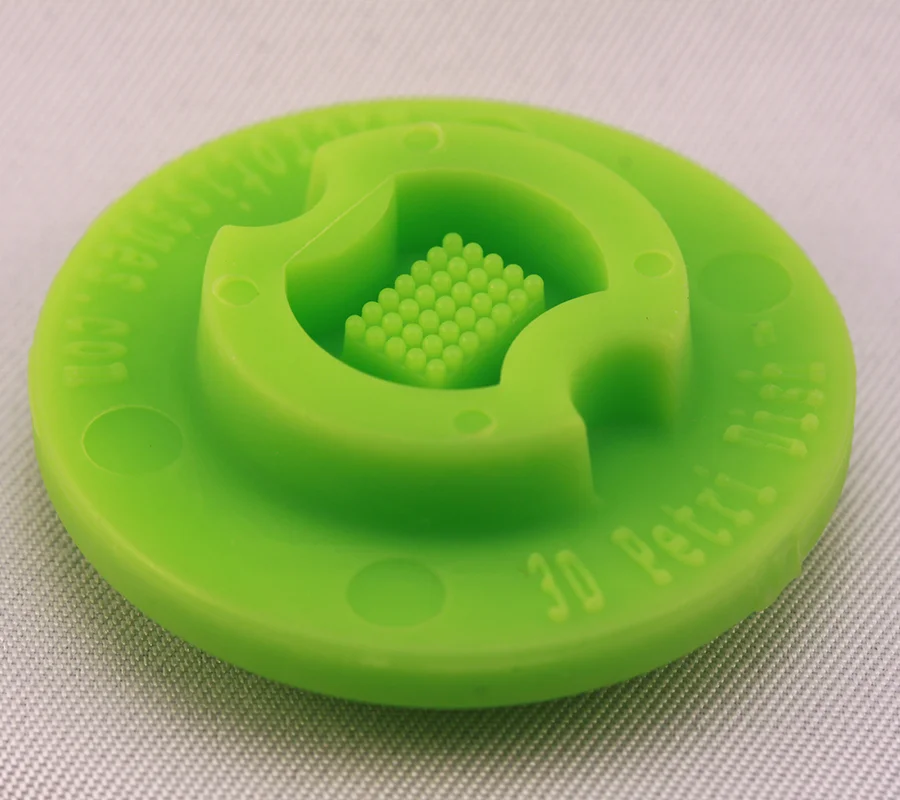
Published in Biochemical Engineering Journal (2022), this peer-reviewed study used 3D Petri Dish® micro-molds to form scaffold-free 3D microtissues. Full citation: Decarli, Monize Caiado, et al. Static systems to obtain 3D spheroid cell models: a cost analysis comparing the implementation of four types of microwell array inserts
Static systems to obtain 3D spheroid cell models: a cost analysis comparing the implementation of four types of microwell array inserts
Research Overview
Spheroid applications span pharmaceutical research through regenerative medicine, and all of them demand large quantities of spheroids uniform in size and geometry. Many production methods exist, but choosing among them requires weighing cost as well as technical performance.
This study presents a case study comparing static systems for spheroid production, assessing not only scientific and technical aspects but also cost — so labs can match a production method to the intended scale and application with an appropriate cost-benefit ratio.
Key Discoveries
- Comparative case study of static systems for producing uniform 3D spheroids
- Explicit cost analysis alongside technical performance for each system
- Framed to match production method to intended scale and application