Summary
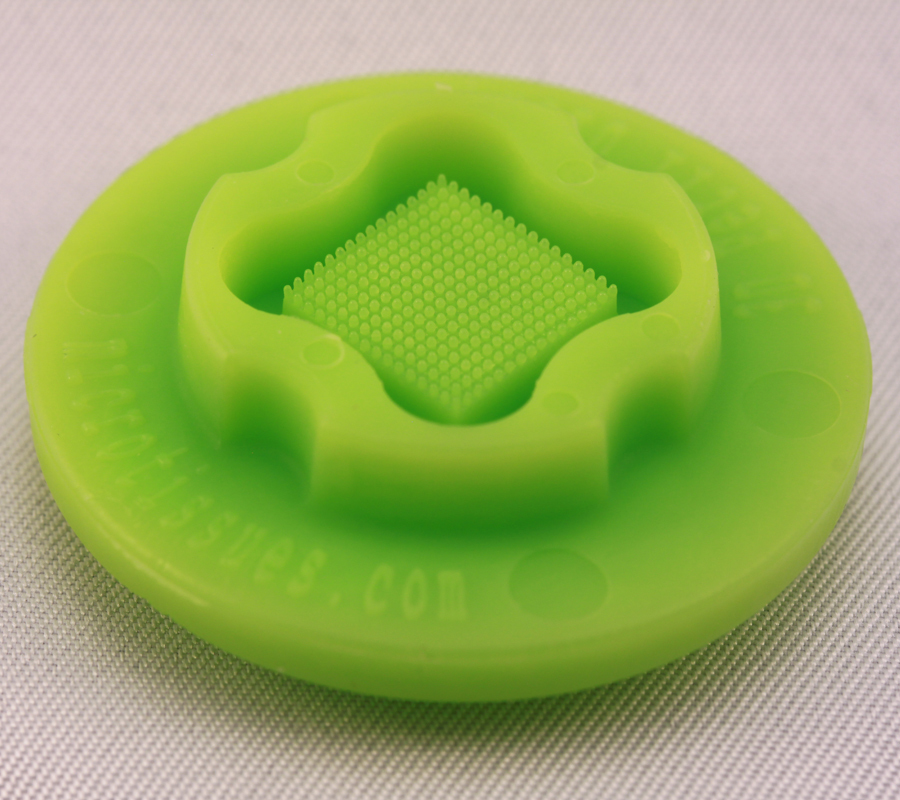
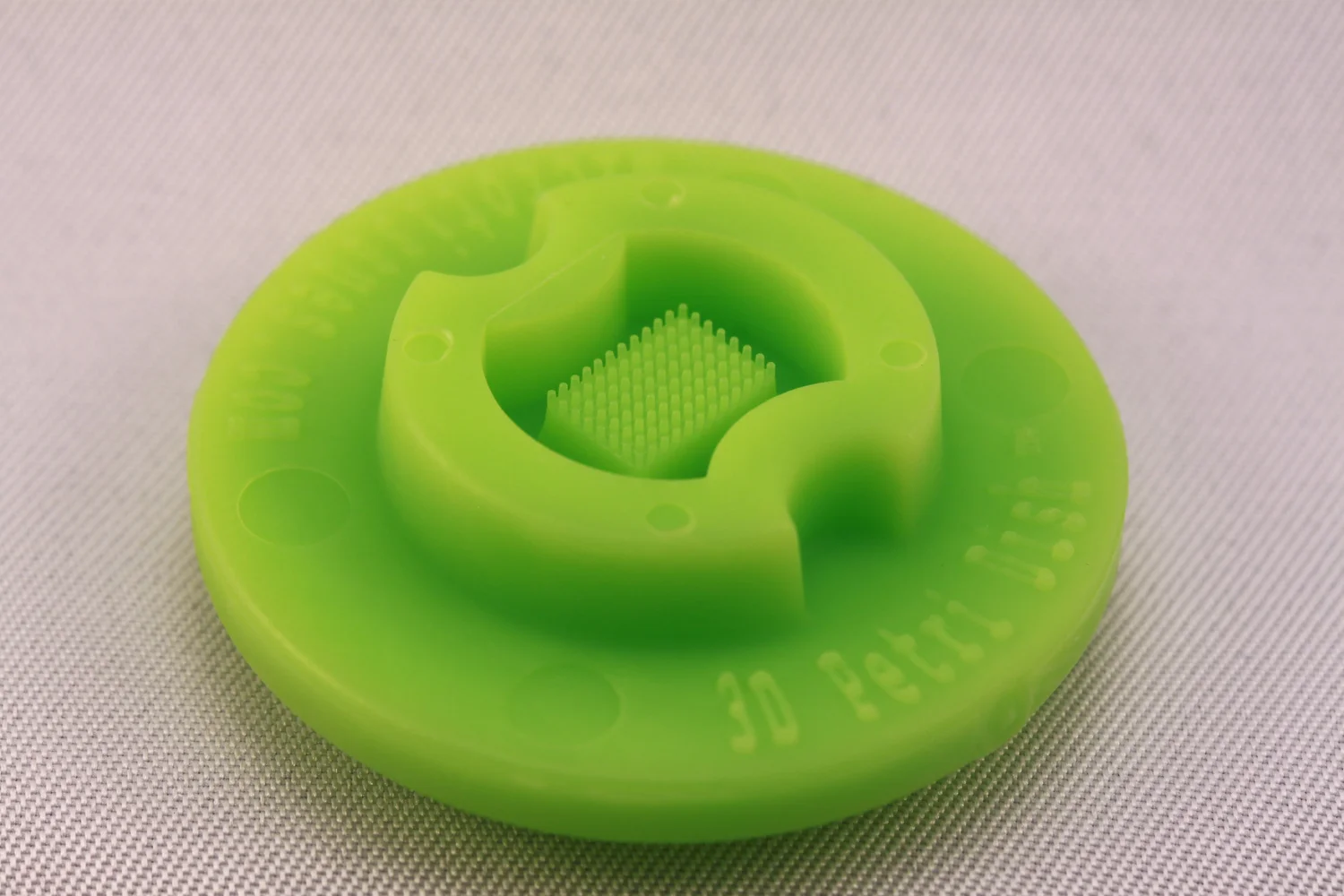
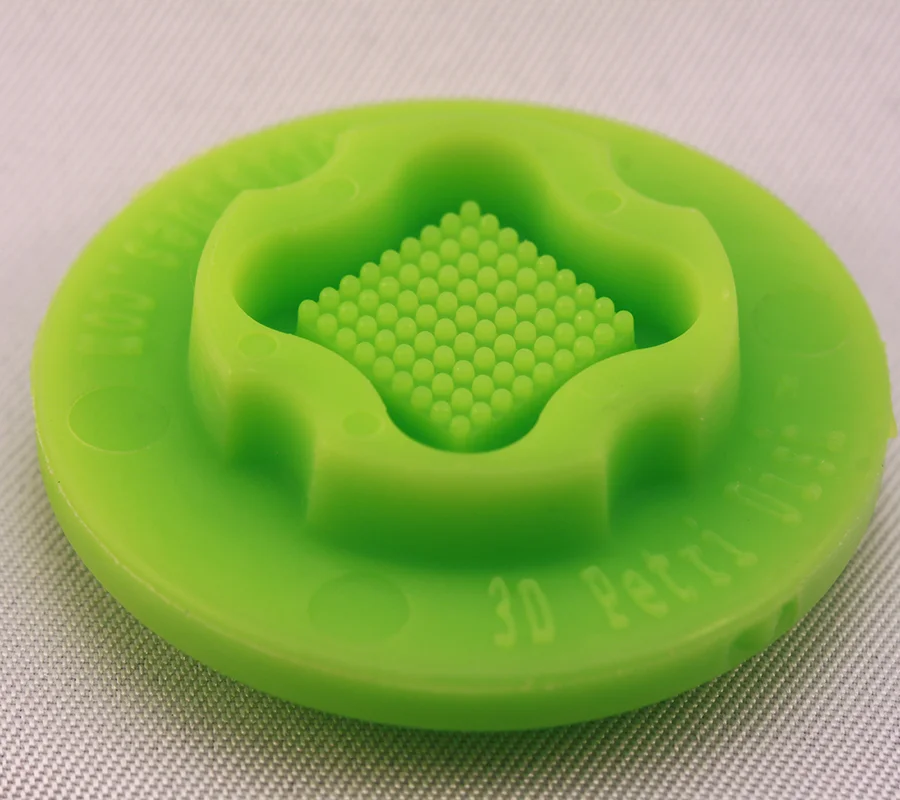
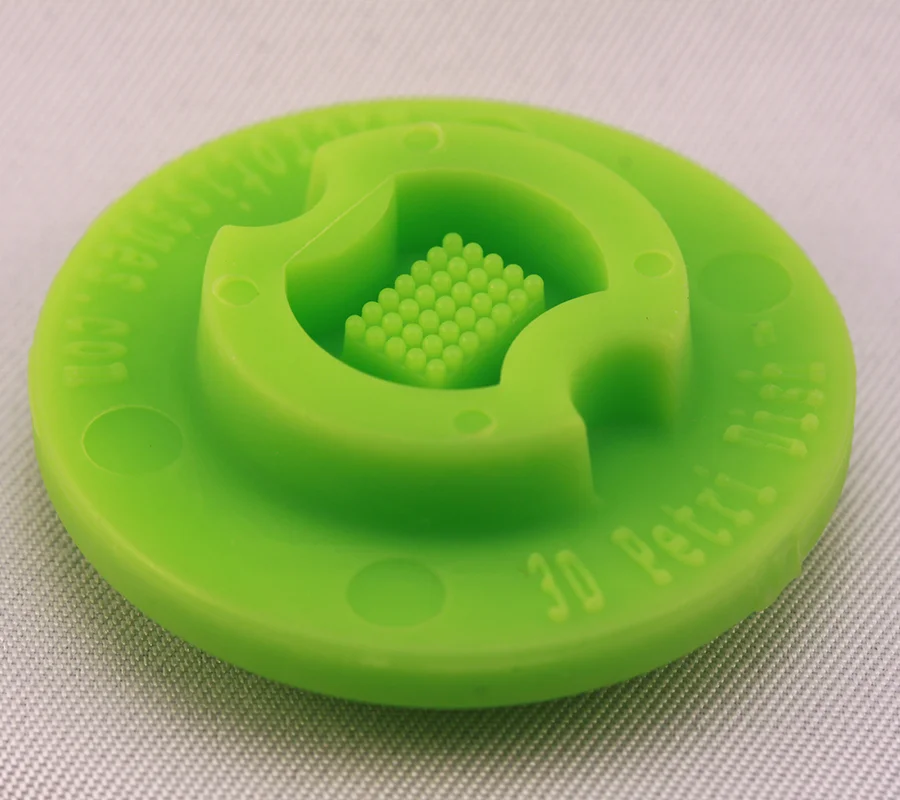
Published in BIO-PROTOCOL (2025), this publication cites the 3D Petri Dish® micro-mold system rather than reporting its own experimental use of it. Full citation: Le, Quang, et al. Spheroid Sheets: A Scalable Platform for Producing Tissue Membrane Constructs
Spheroid Sheets: A Scalable Platform for Producing Tissue Membrane Constructs
Research Overview
Bottom-up tissue engineering with cell spheroids recapitulates native cell–cell and cell–matrix interactions, and spheroids have been used to build cartilage, bone, cardiac muscle, intestine, and neural tissue. But existing ways of assembling spheroids — mold casting, hydrogel bioprinting, needle arrays — either give poor control over final geometry or fail to scale.
This protocol describes a robust, scalable method for assembling spheroids into a thin, planar sheet: spheroids are sandwiched between two flexible meshes held in a frame, which promotes uniform fusion while preserving nutrient exchange and making the construct easy to handle. The method is demonstrated by producing thin cartilage tissue from human mesenchymal stem cells.
Key Discoveries
- Mesh-sandwich frame assembles spheroids into a uniform planar sheet with controlled geometry
- Design preserves nutrient exchange during fusion and simplifies handling
- Demonstrated by producing thin cartilage tissue from human mesenchymal stem cells