Summary
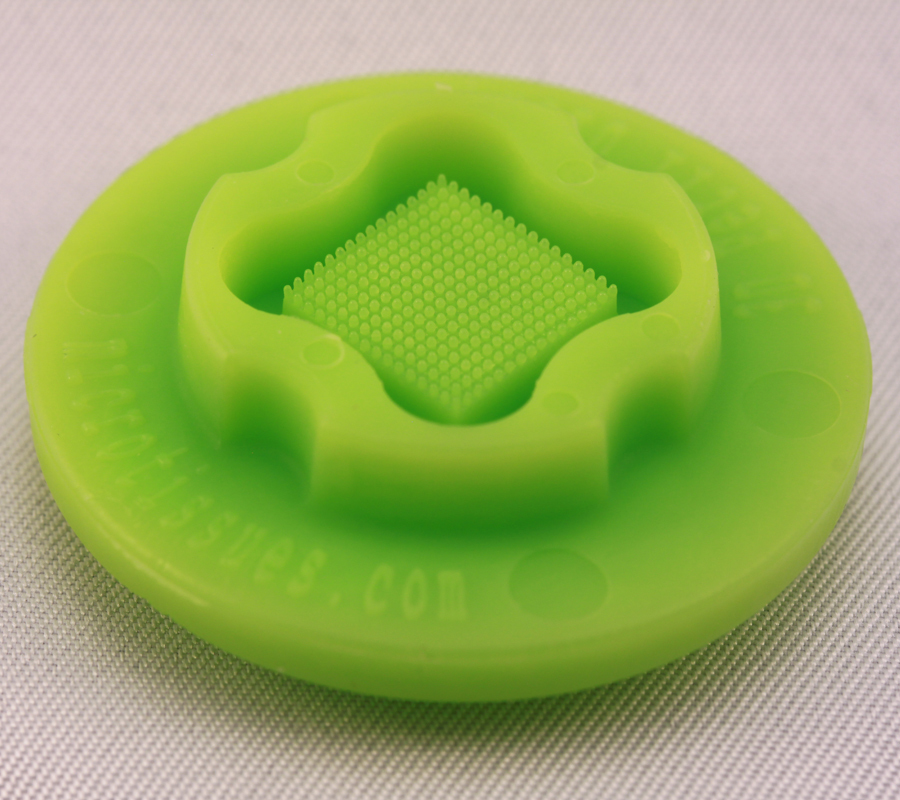
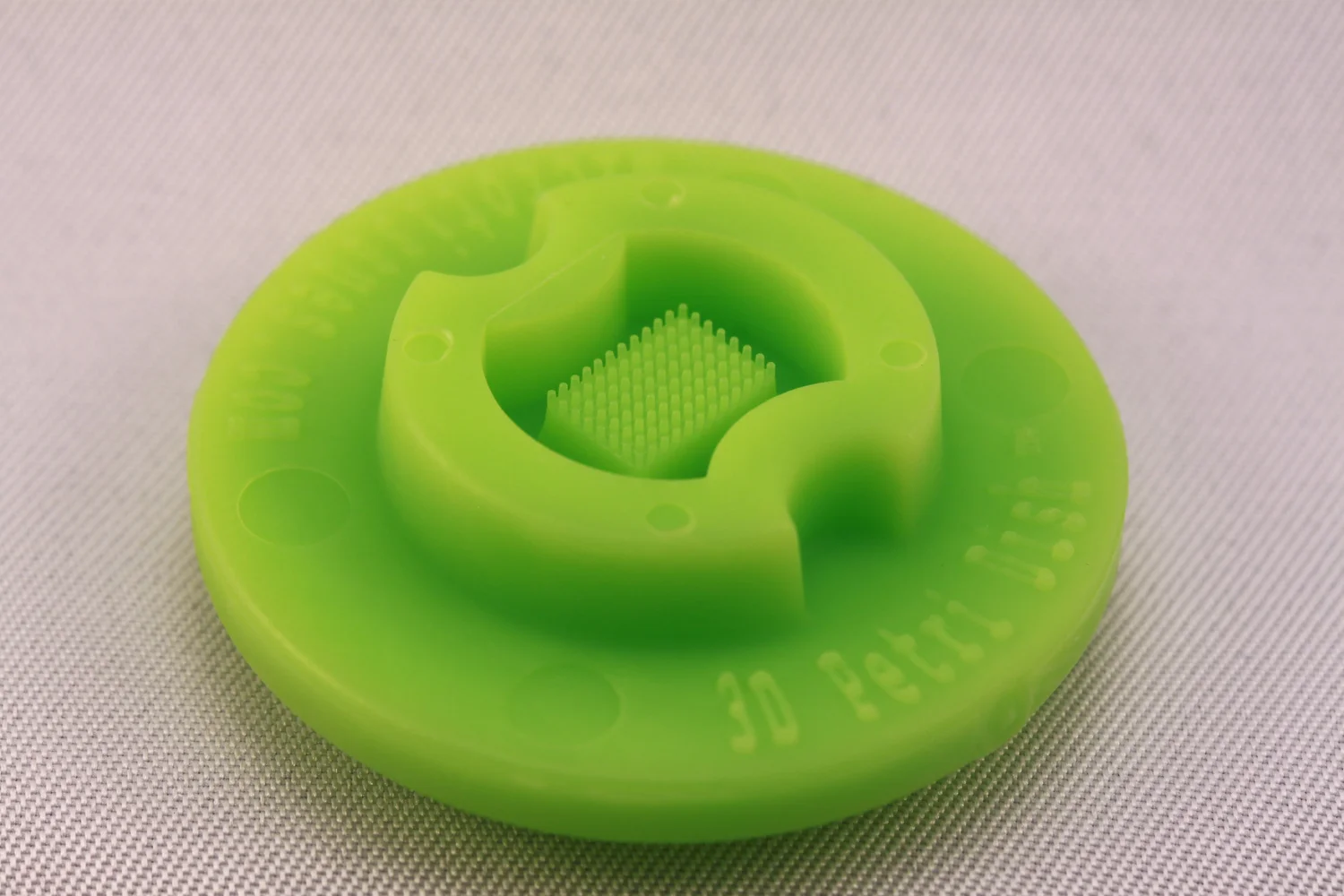
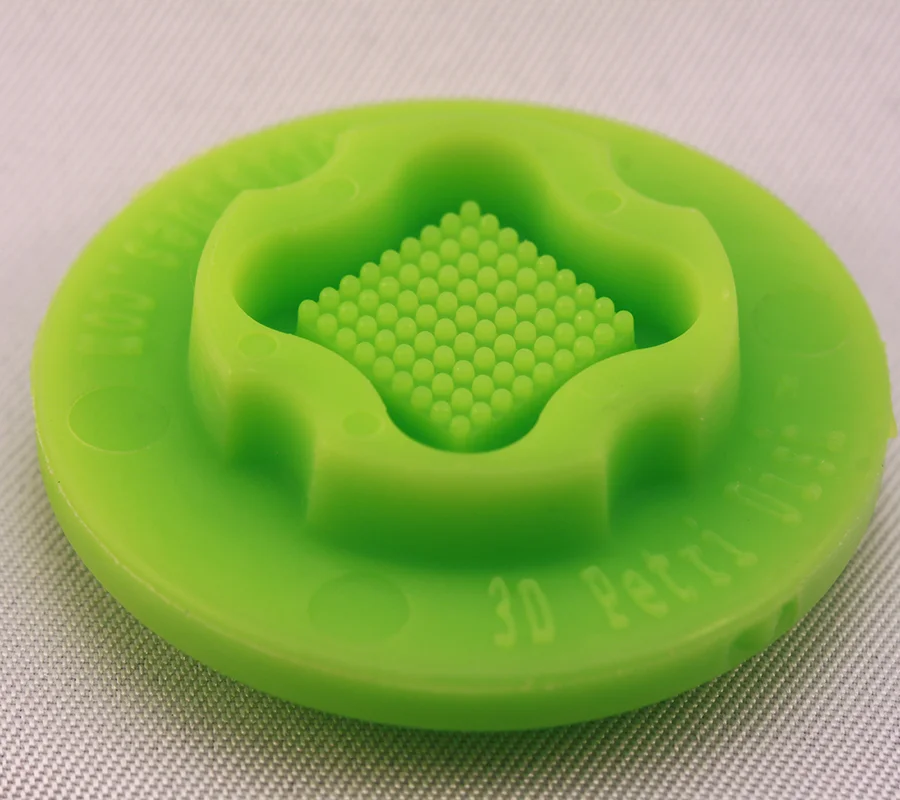
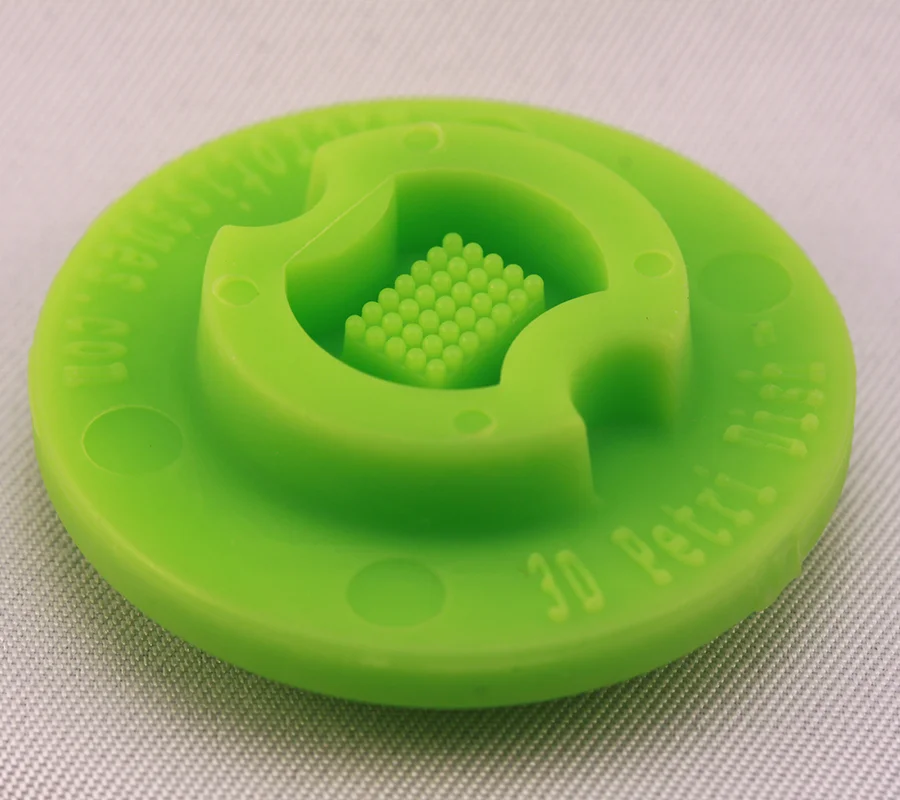
This study by Birenboim, R. et al was published in 2013. It utilized Microtissues 3D Petri Dish® micro-molds for 3D cell culture, contributing to advances in neuroscience research.
Simple generation of neurons from human embryonic stem cells using agarose multiwell dishes
Research Overview
Human embryonic stem cells are a potentially unlimited source of neurons for research and therapy, and directed differentiation typically proceeds through neural precursor intermediates formed from stem cell aggregates.
This study describes a protocol using commercially available reusable silicone micro-molds plus two small-molecule growth factor inhibitors to generate human neurons simply and reproducibly. Hundreds of neurospheres formed from a single pipetting step of stem cells into agarose multiwell plates made with the micro-molds, followed by suspension culture with two medium changes and plating.
Key Discoveries
- Utilized Microtissues 3D Petri Dish® micro-molds for reproducible 3D spheroid formation
- Enabled physiologically relevant cell-cell interactions in a controlled 3D environment
- Supported the study of complex biological processes that cannot be replicated in traditional 2D culture
3D Petri Dish® Application
3D Petri Dish® Application
- Non-adhesive hydrogel micro-molds promoted self-assembly of cells into 3D spheroids:
- Uniform microtissue size ensured experimental reproducibility:
- Compatible with standard cell culture workflows and imaging techniques: