Summary
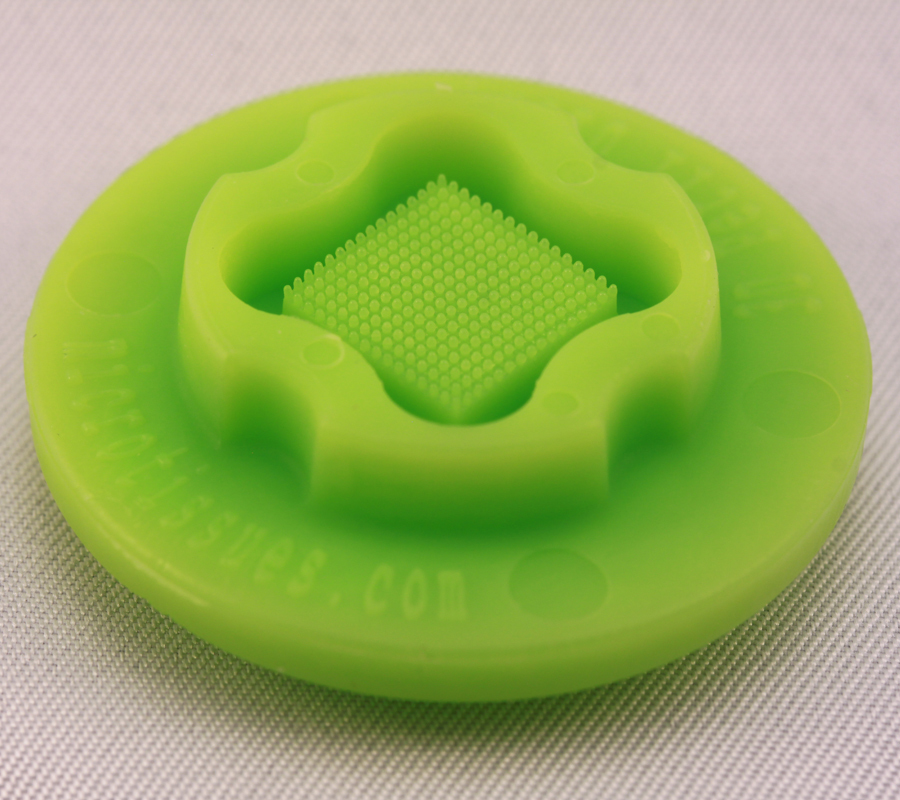
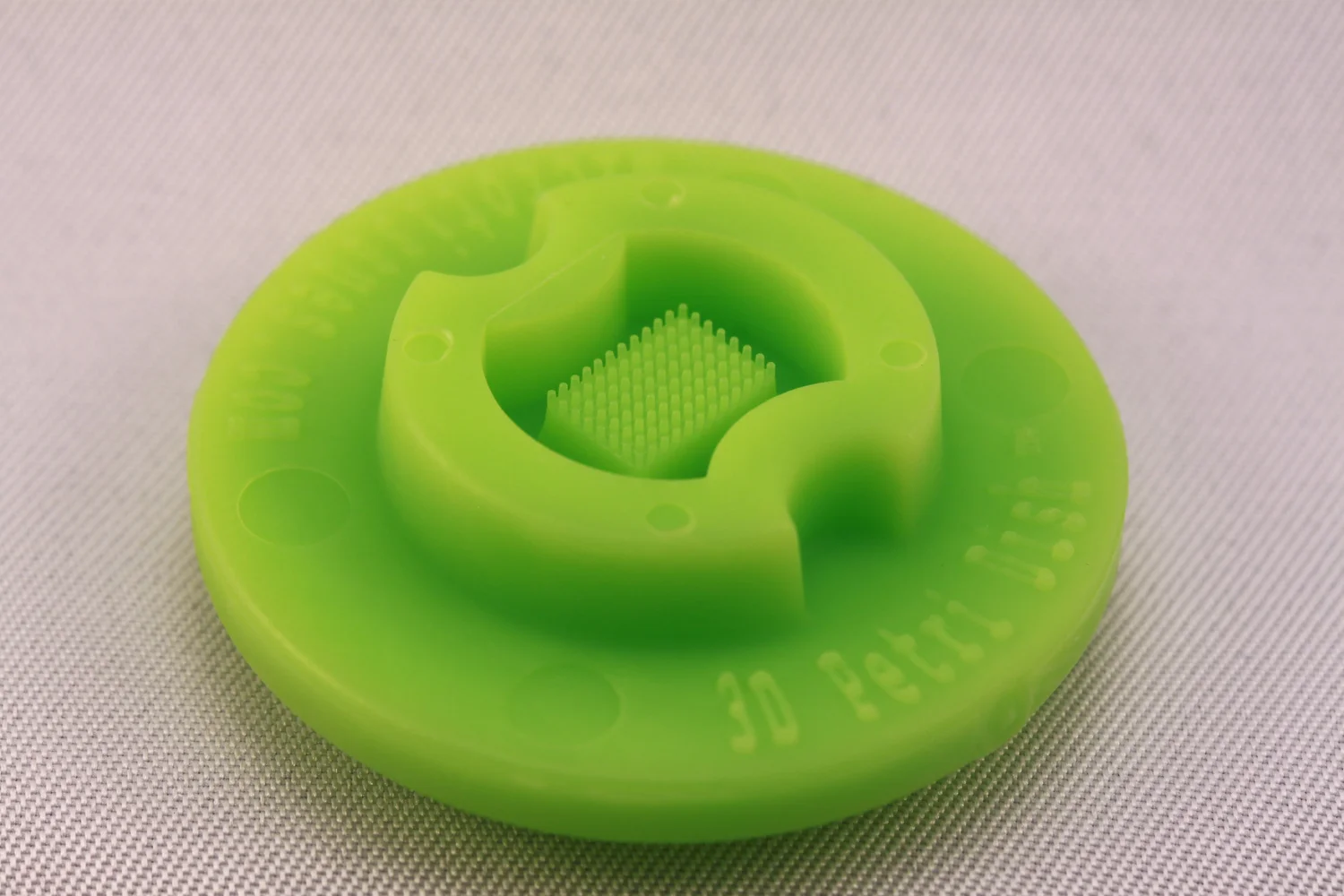
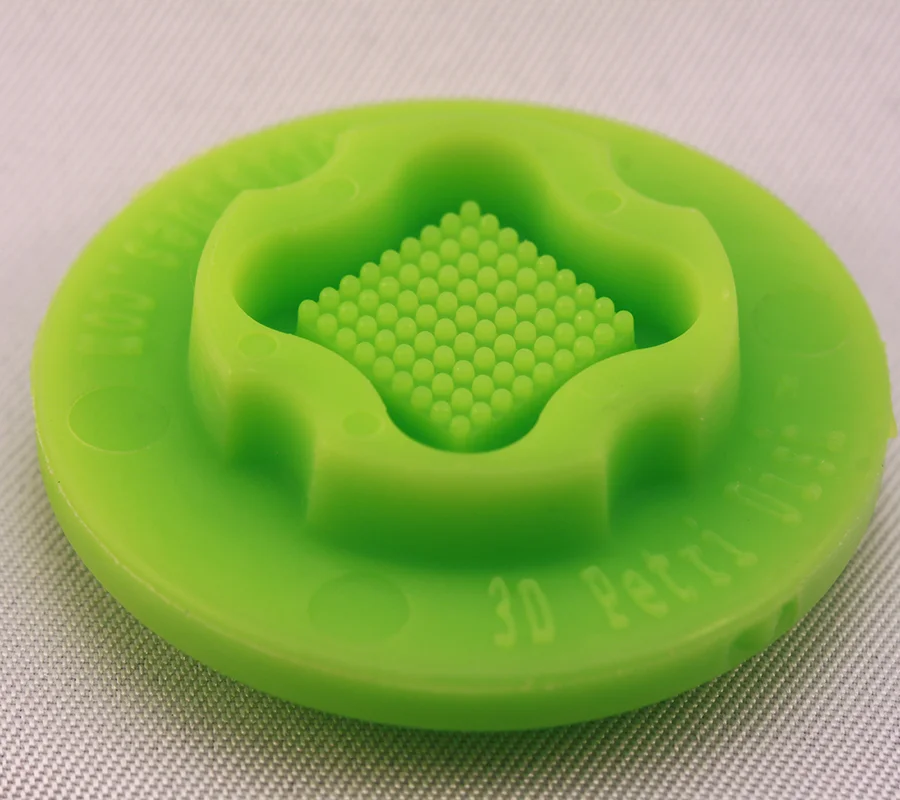
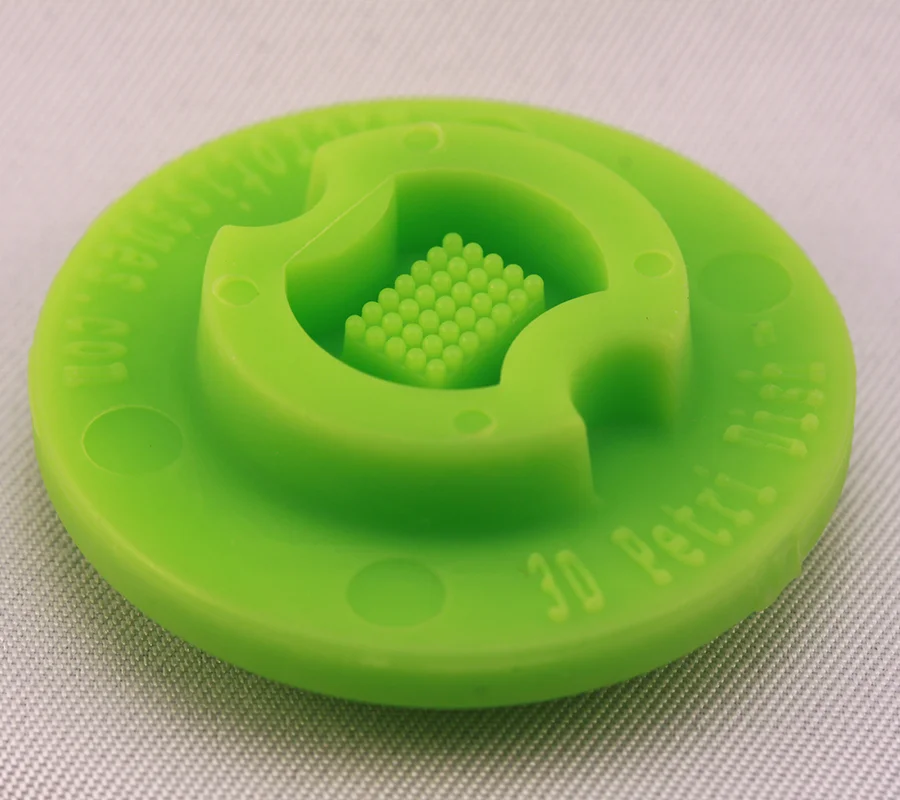
Published in Stem Cells Translational Medicine (2024), this publication cites the 3D Petri Dish® micro-mold system rather than reporting its own experimental use of it. Full citation: Decoene, Isaak, et al. Robotics-Driven Manufacturing of Cartilaginous Microtissues for Skeletal Tissue Engineering Applications
Robotics-Driven Manufacturing of Cartilaginous Microtissues for Skeletal Tissue Engineering Applications
Research Overview
Automation is attractive for manufacturing tissue-engineered products robustly enough for clinical translation. This work presents a robotics platform that handles media changes and imaging for cartilaginous microtissues cultured in static microwell plates, with an automated image-analysis pipeline extracting microtissue displacement and morphology as noninvasive quality attributes.
Empty microwells were identified with 96% accuracy and a segmentation Dice coefficient of 0.84. Design-of-experiments optimization of liquid handling showed that aspiration and dispense speeds at or beyond manual speed had no significant effect; repeated media changes and time in culture were the main drivers of microtissue displacement.
Key Discoveries
- Robotic media changes and imaging for cartilaginous microtissues in static microwells
- Automated analysis found empty microwells at 96% accuracy; segmentation Dice 0.84
- Liquid-handling speed did not matter; repeated media changes and culture time drove displacement