Summary
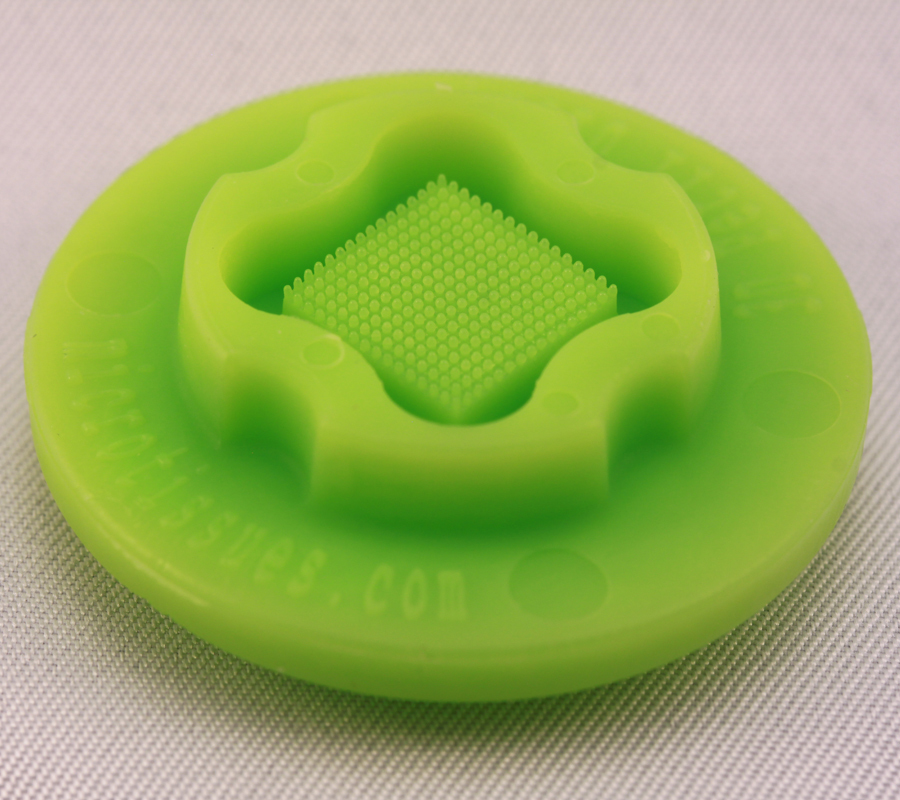
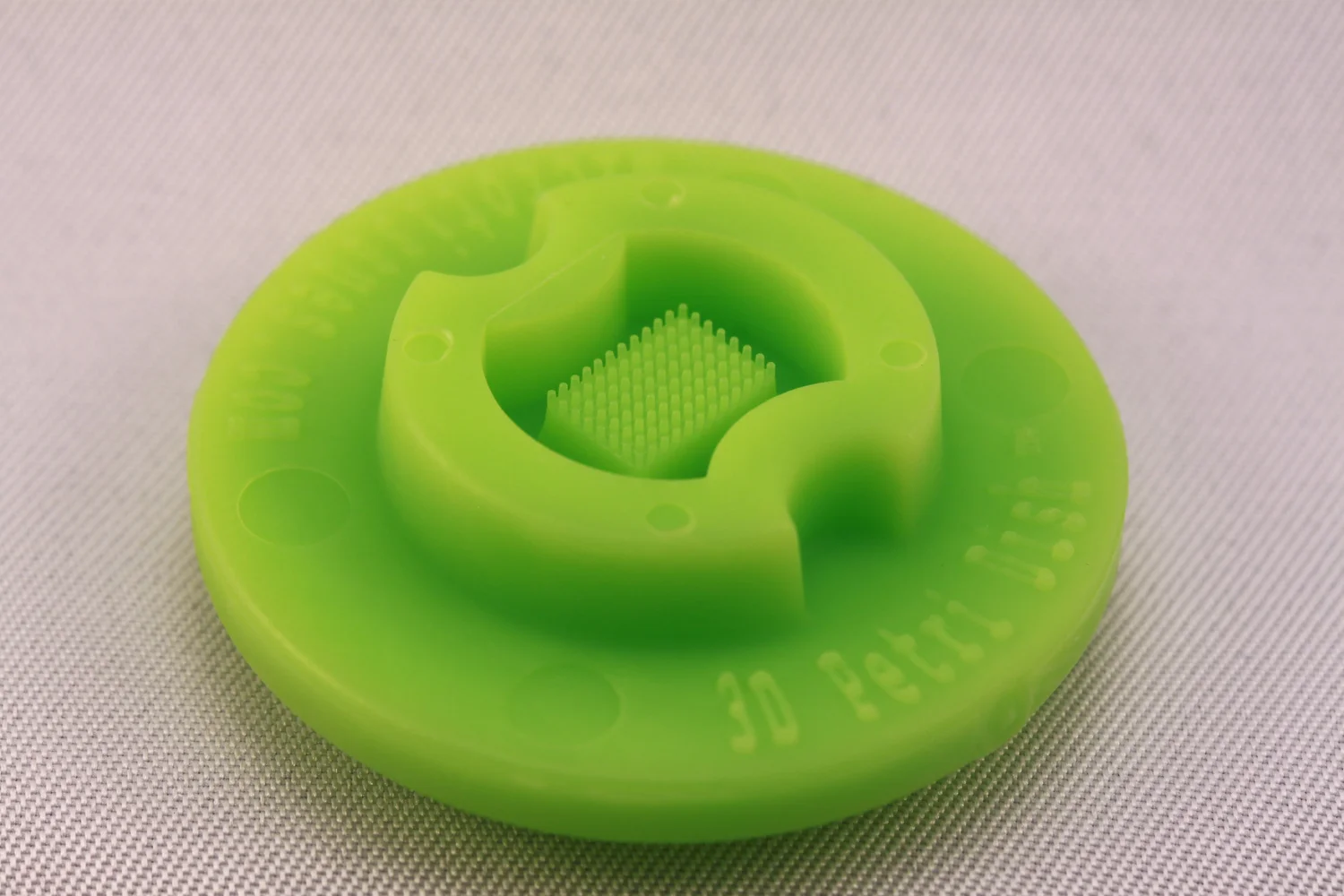
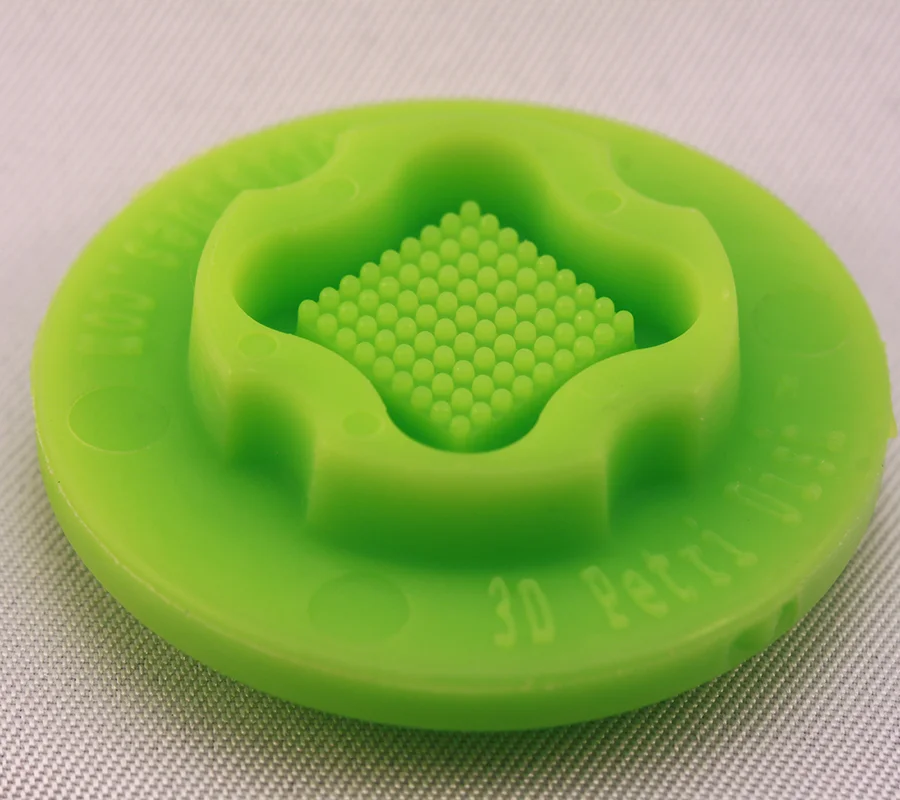
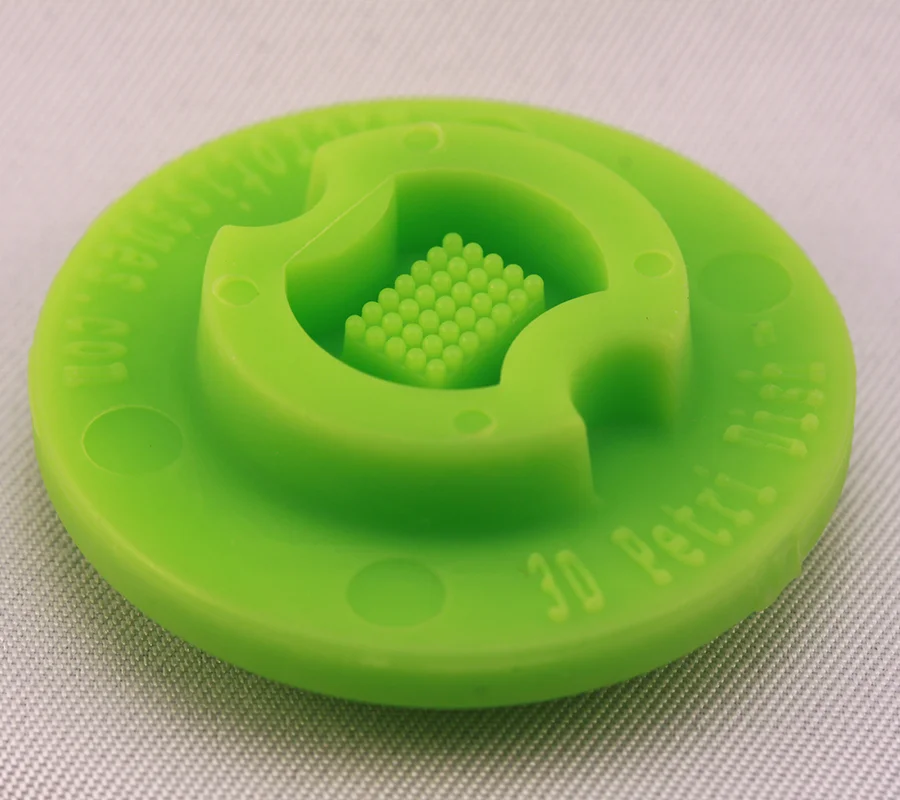
Published in Toxicology Mechanisms and Methods (2020), this peer-reviewed study used 3D Petri Dish® micro-molds to form scaffold-free 3D microtissues. Full citation: Basu, Amrita, et al. Ready to go 3D? A semi-automated protocol for microwell spheroid arrays to increase scalability and throughput of 3D cell culture testing
Ready to go 3D? A semi-automated protocol for microwell spheroid arrays to increase scalability and throughput of 3D cell culture testing
Research Overview
3D cultures are more physiologically relevant than monolayers, but adoption is limited by requirements for special consumables, equipment, or skills, and by constrained throughput and scalability. This study optimized and adapted a commercially available agarose micro-molding technique to produce scaffold-free spheroid cultures within reach of ordinary labs.
Brightfield microscopy was used for routine, nondestructive, noninvasive evaluation of spheroid formation and growth, and the workflow was designed to be compatible with both manual and semi-automated handling — lowering the practical barrier to switching from 2D to 3D.
Key Discoveries
- Agarose micro-molding adapted into a semi-automated, scalable spheroid workflow
- Brightfield microscopy enabled nondestructive routine monitoring of formation and growth
- Designed to remove the special-equipment and throughput barriers limiting 3D adoption