Summary
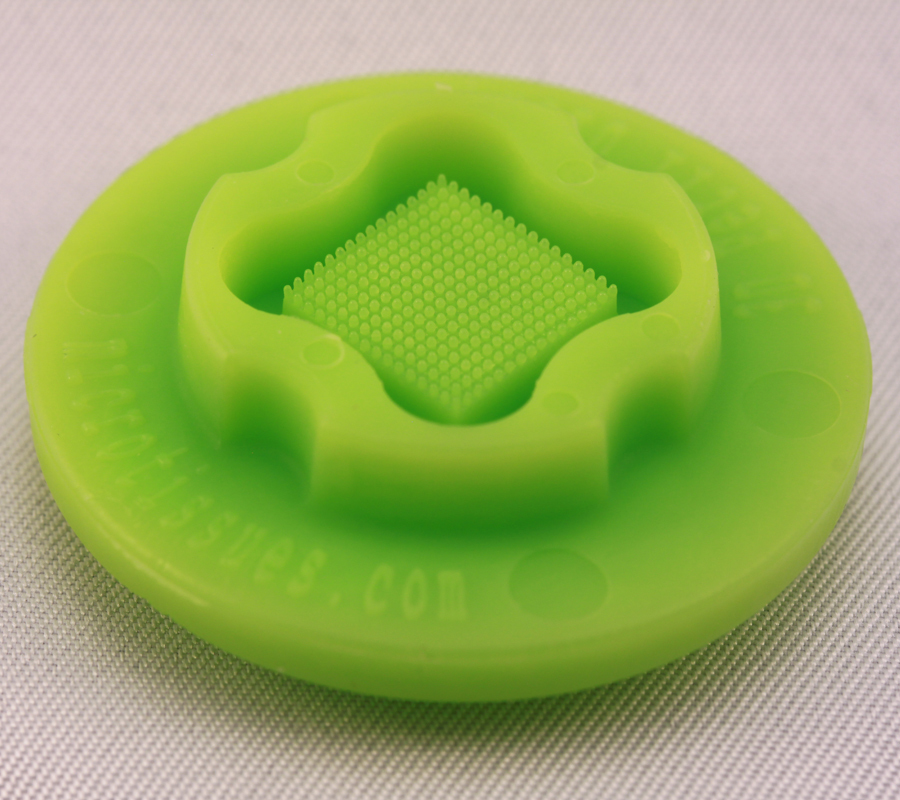
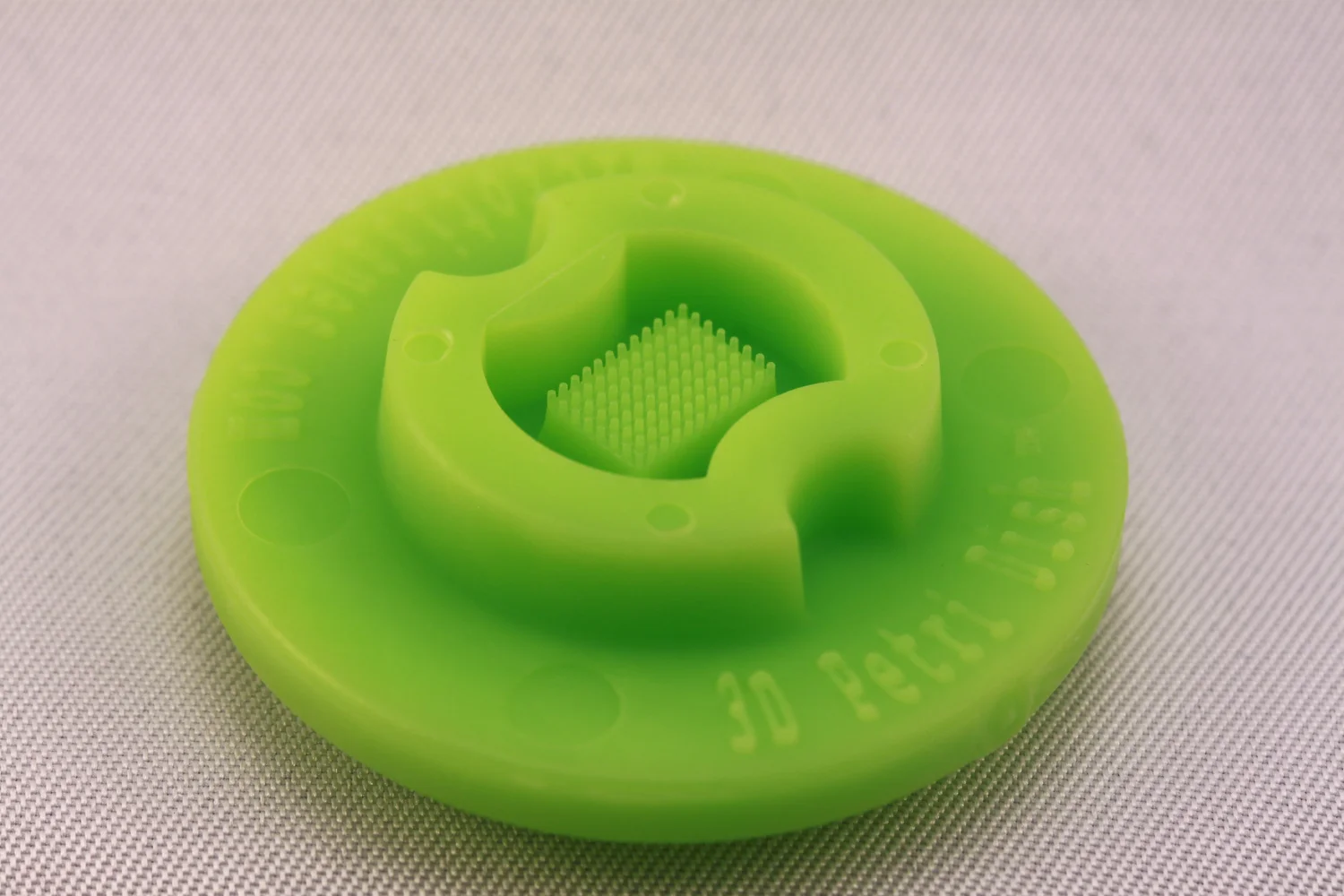
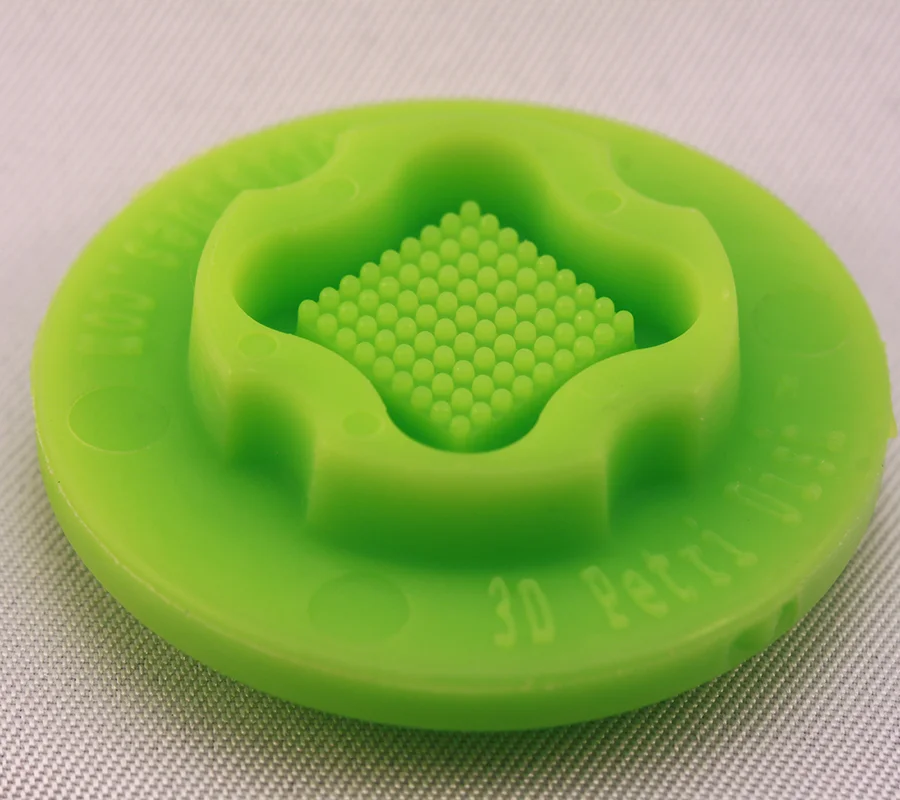
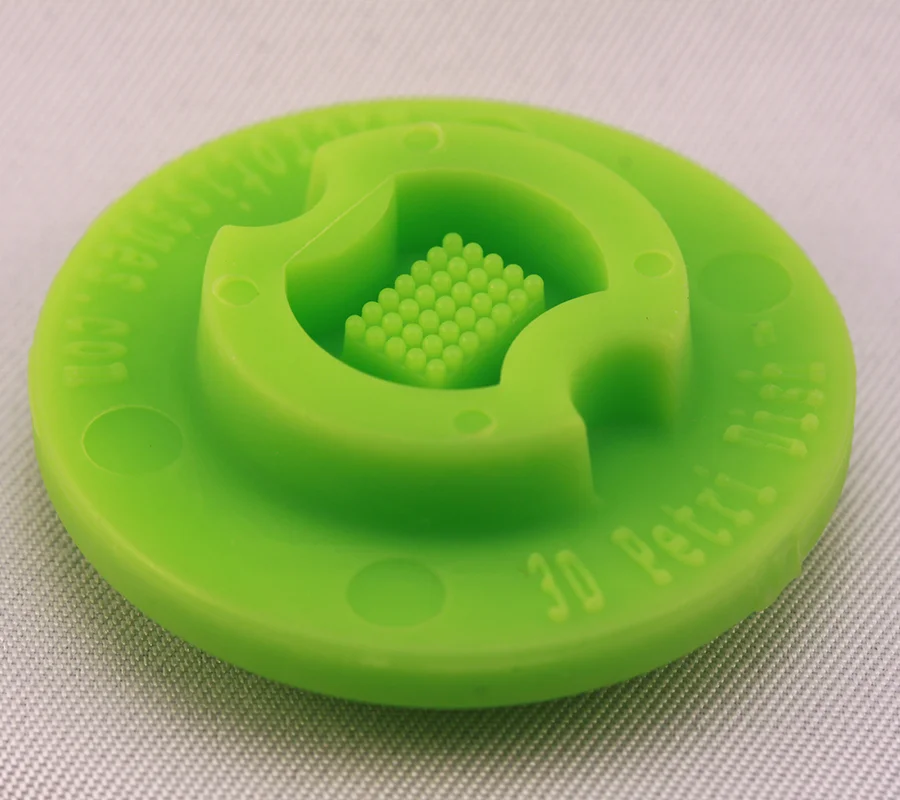
Published in Sovremennye tehnologii v medicine (2026), this peer-reviewed study used 3D Petri Dish® micro-molds to form scaffold-free 3D microtissues. Full citation: Revokatova, D.P., et al. Portable Bioprinter in Ischemic Wound Therapy: a Pilot Study
Portable Bioprinter in Ischemic Wound Therapy: a Pilot Study
Research Overview
Non-healing ischemic wounds are difficult to treat. This pilot study tested a new approach: a portable bioprinter (Biogan, a prototype developed by the authors) delivering an ink of fibrin–gelatin hydrogel combined with spheroids derived from human adipose mesenchymal stromal cells, in a pig model of ischemic wounds.
Wounds were created by compressing skin with titanium sealing rings to induce local ischemia, removing the rings a day later, and excising the epidermis. Treatment was applied one day and two weeks after wounding, with an adapted passive mixer ensuring uniform blending of hydrogel and spheroids as the ink was printed onto the wound surface. Closure was tracked over 36 days.
Key Discoveries
- Portable Biogan bioprinter prototype applied a fibrin-gelatin hydrogel plus MSC-spheroid ink directly to wounds
- Ischemic pig wound model created with titanium compression rings
- Passive mixer ensured uniform spheroid distribution; closure followed for 36 days