Summary
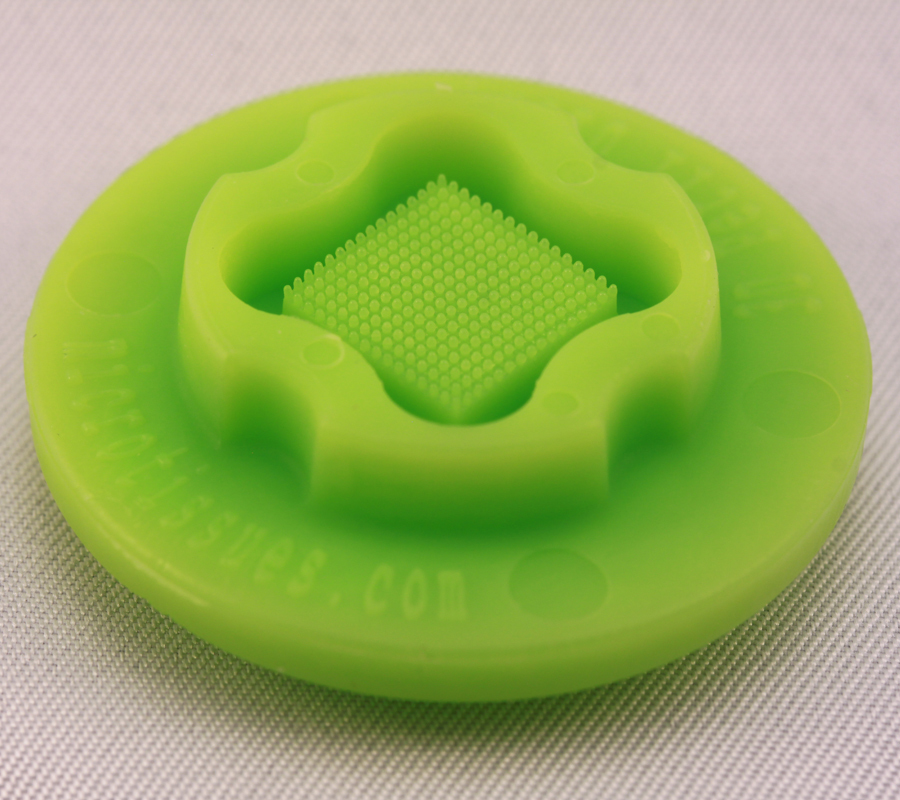
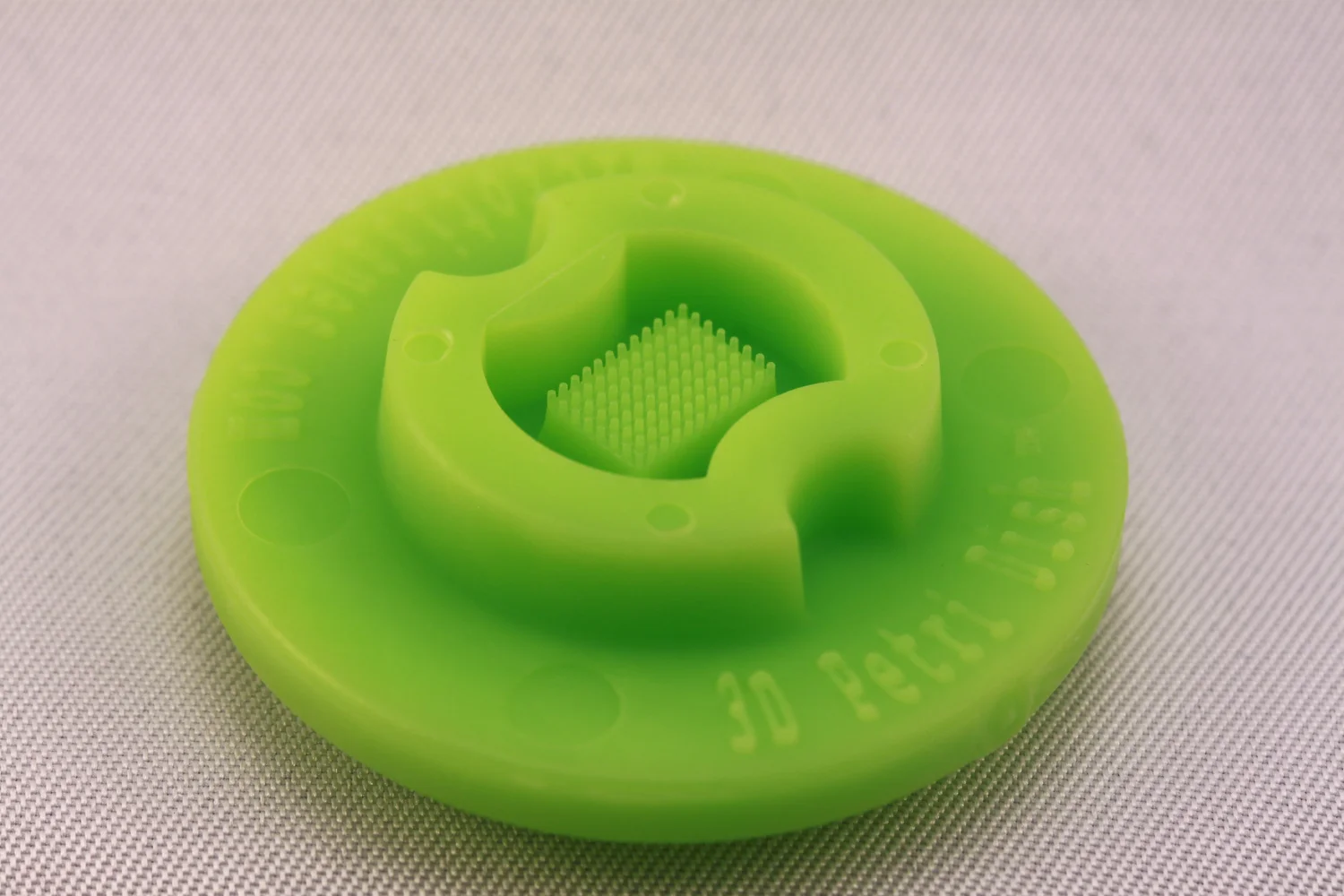
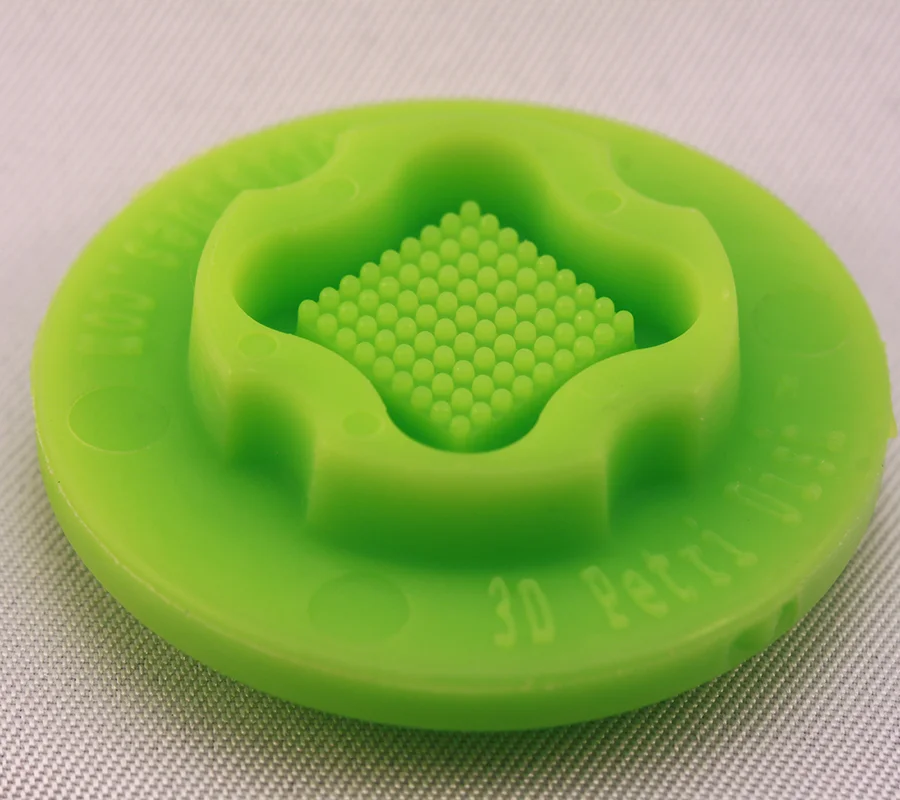
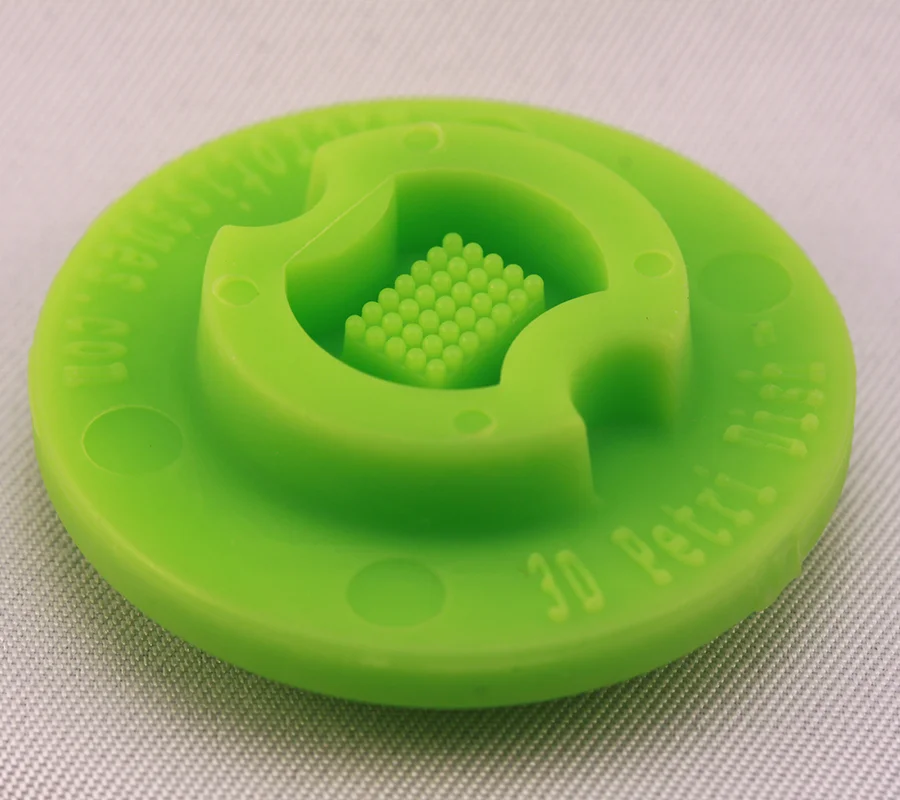
Published in Frontiers in Immunology (2021), this peer-reviewed study used 3D Petri Dish® micro-molds to form scaffold-free 3D microtissues. Full citation: Horváti, Kata, et al. Novel Assay Platform to Evaluate Intracellular Killing of Mycobacterium tuberculosis: In Vitro and In Vivo Validation
Novel Assay Platform to Evaluate Intracellular Killing of Mycobacterium tuberculosis: In Vitro and In Vivo Validation
Research Overview
Tuberculosis persists because Mycobacterium tuberculosis can enter dormancy and survive for decades inside host phagocytes. Roughly a third of the world’s population is latently infected, and 5–10% of them may develop active disease long after exposure. In this intracellular form the bacillus is shielded by a robust cell wall and becomes phenotypically resistant to most antituberculars.
That makes compounds effective against the intracellular form — including carrier-conjugated versions of existing drugs — a clear priority. This paper lays out an experimental roadmap for defining optimal candidates against intracellular Mtb and evaluating their intracellular killing.
Key Discoveries
- Addresses dormant, intracellular M. tuberculosis that resists most antituberculars
- Motivated by latent infection in ~one-third of the global population
- Provides an experimental roadmap for selecting compounds and carrier conjugates active inside phagocytes