Summary
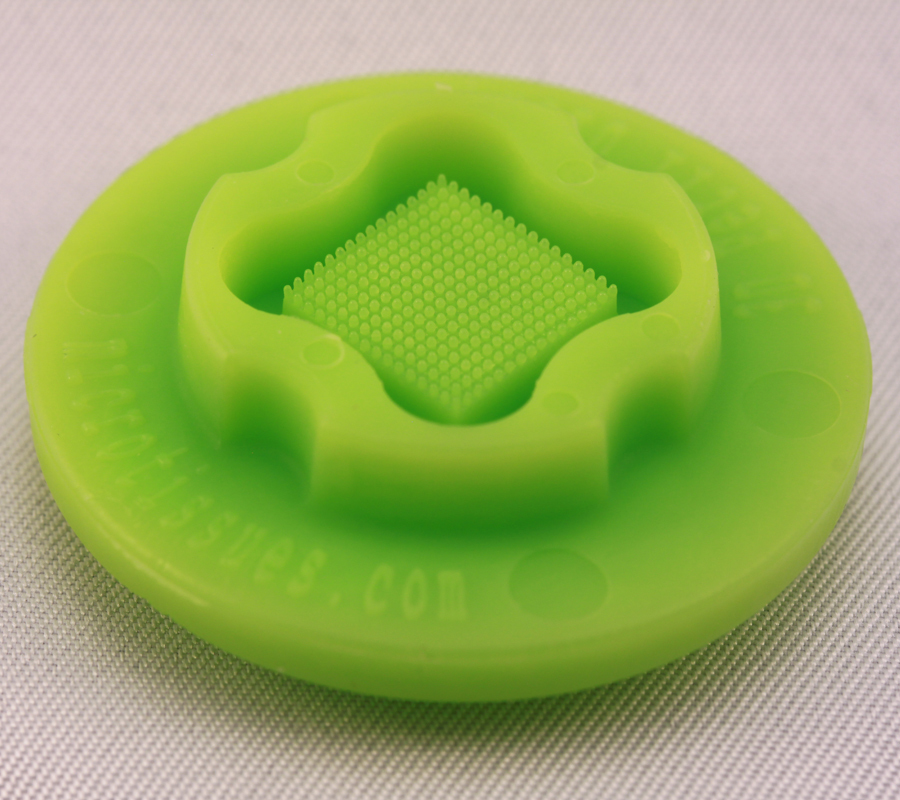
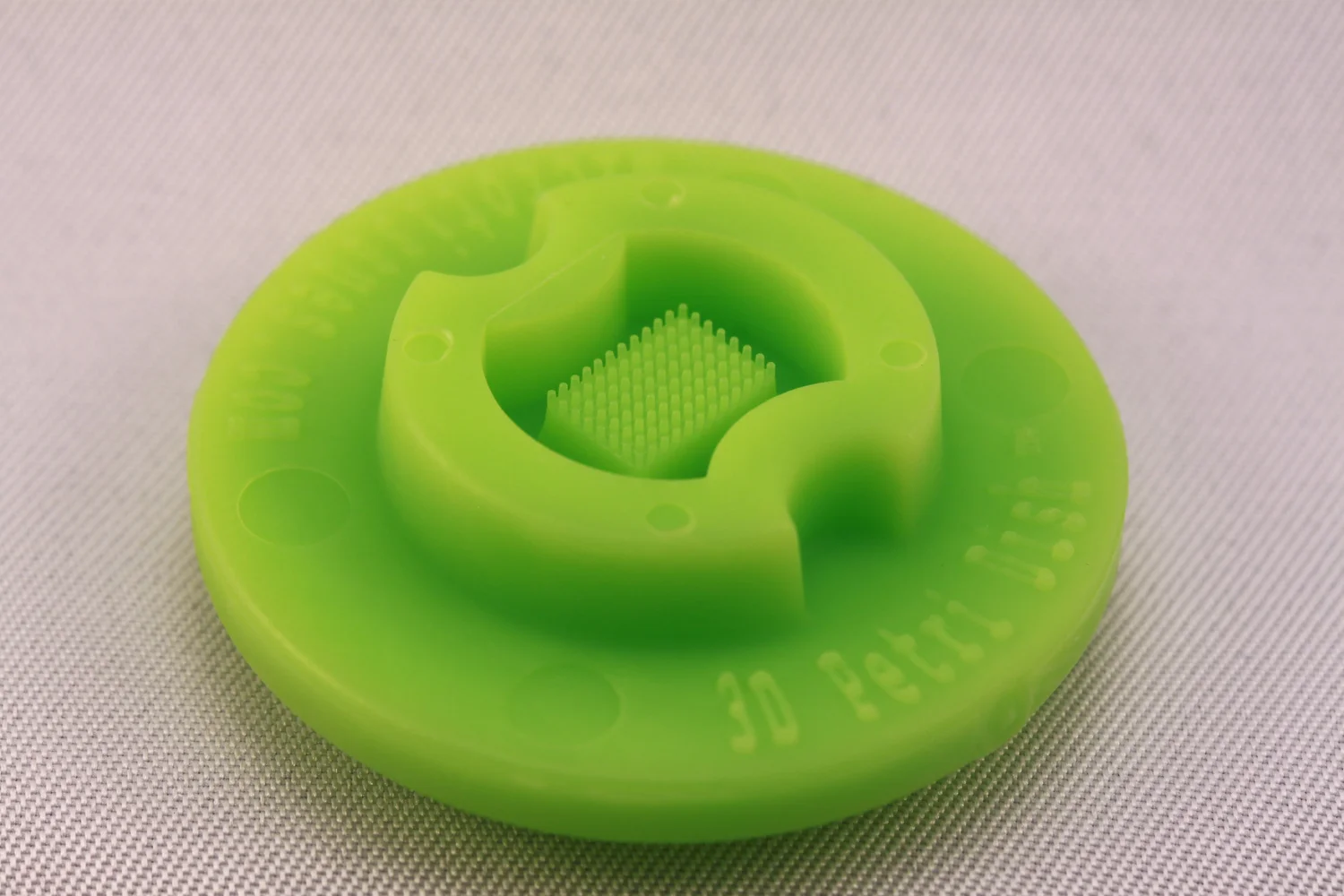
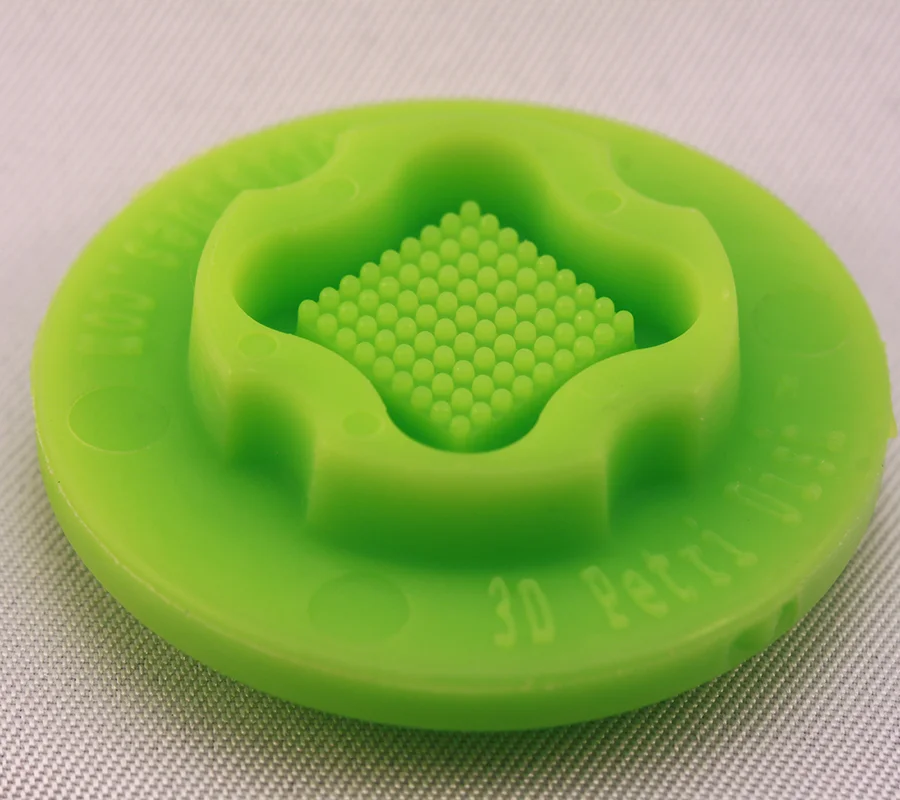
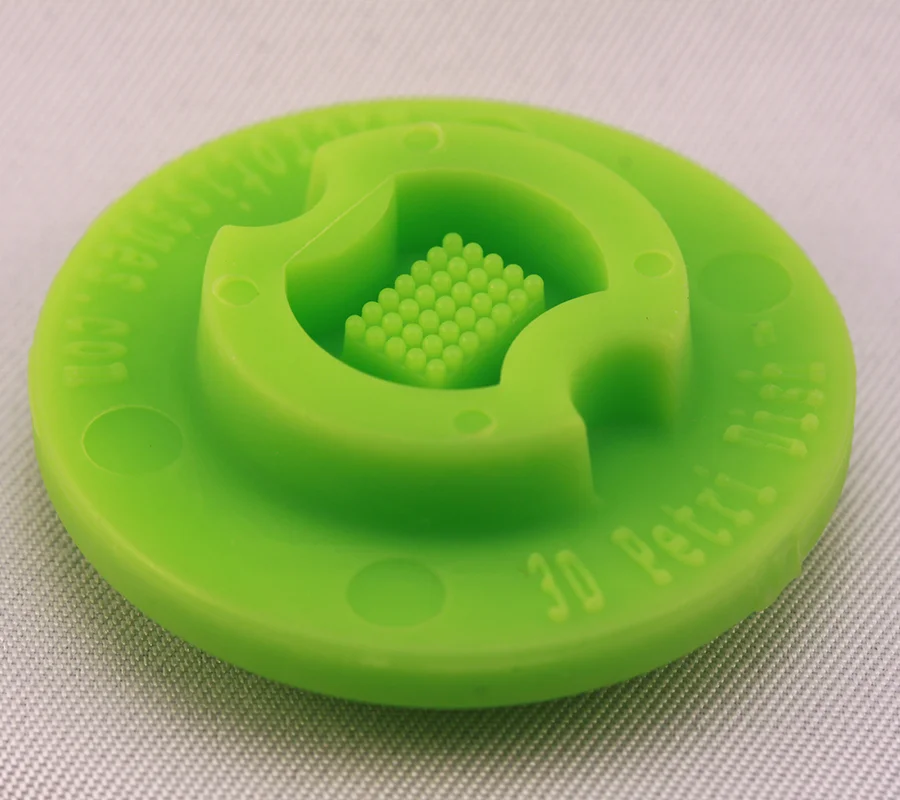
Published in Biotechnology Journal (2020), this peer-reviewed study used 3D Petri Dish® micro-molds to form scaffold-free 3D microtissues. Full citation: Koudan, Elizaveta V., et al. Multiparametric Analysis of Tissue Spheroids Fabricated from Different Types of Cells
Multiparametric Analysis of Tissue Spheroids Fabricated from Different Types of Cells
Research Overview
3D bioprinting and drug discovery both need tissue spheroids that are reproducible, scalable, and cheap to make — with consistent geometry, defined mechanical properties, good viability, and appropriate extracellular matrix and cell organization.
This study proposed a straightforward procedure for fabricating spheroids with those defined properties using nonadhesive technology, together with systematic multiparametric characterization. Working with both immortalized and primary cells, the authors demonstrated reproducible spheroid generation and showed that final spheroid diameter and growth pattern correlate strongly with cell type and initial seeding concentration.
Key Discoveries
- Nonadhesive fabrication produced spheroids with uniform, predictable geometry across cell types
- Final spheroid diameter correlated strongly with cell type and initial seeding concentration
- Systematic multiparametric characterization covered geometry, mechanics, viability, and organization