
Summary
Published in Molecular Pharmaceutics (2014), this peer-reviewed study from the inventor's laboratory used a custom agarose micro-mold device related to the 3D Petri Dish® technology. Full citation: Achilli, Toni-Marie, et al. Multilayer Spheroids To Quantify Drug Uptake and Diffusion in 3D
Multilayer Spheroids To Quantify Drug Uptake and Diffusion in 3D
Research Overview
Predicting drug toxicity and efficacy needs quantitative models of uptake and diffusion. This study reported a 3D multilayer spheroid model plus a new algorithm to quantify uptake and inward diffusion of fluorescent calcein through gap junction intercellular communication.
Spheroids from a variety of cell types accumulated calcein over time when incubated with calcein-AM, a substrate of the efflux transporter P-glycoprotein. Accumulation decreased in spheroids overexpressing P-glycoprotein and increased with the inhibitors verapamil, loperamide, and cyclosporin A, while inward diffusion was negligible in spheroids lacking gap junction communication — cleanly separating transporter activity from intercellular diffusion.
Key Discoveries
- Multilayer spheroid model plus algorithm quantified drug uptake and inward diffusion
- P-glycoprotein overexpression reduced accumulation; verapamil, loperamide, cyclosporin A increased it
- Inward diffusion required gap junction intercellular communication
Recommended Products
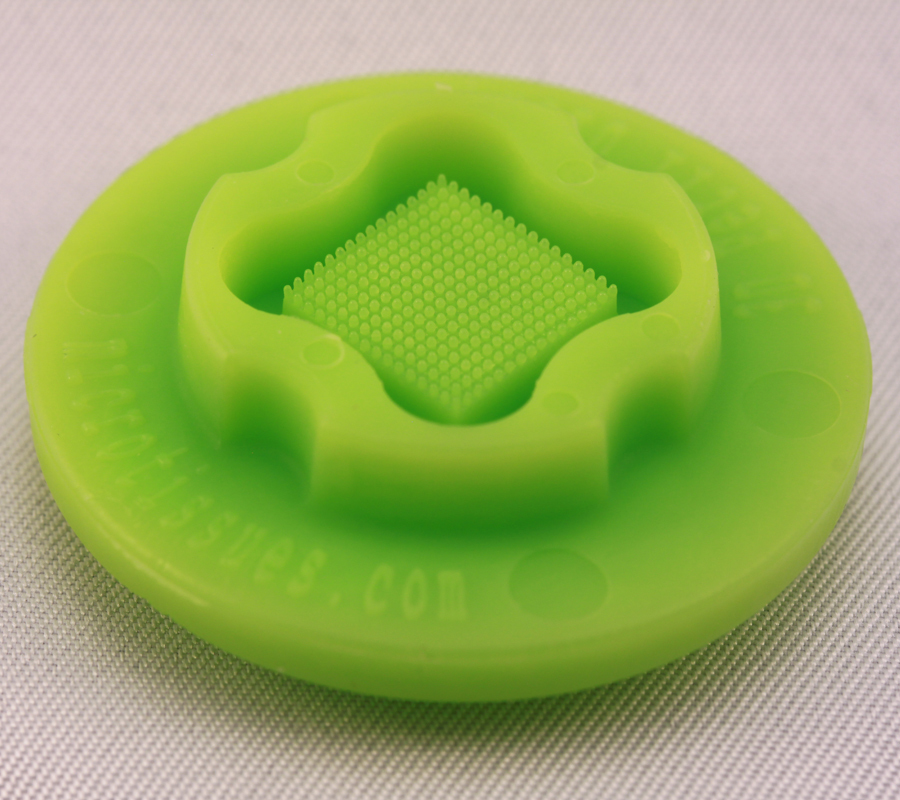
12-256 Small Spheroids
12-well plates · $575
View 12-256 →
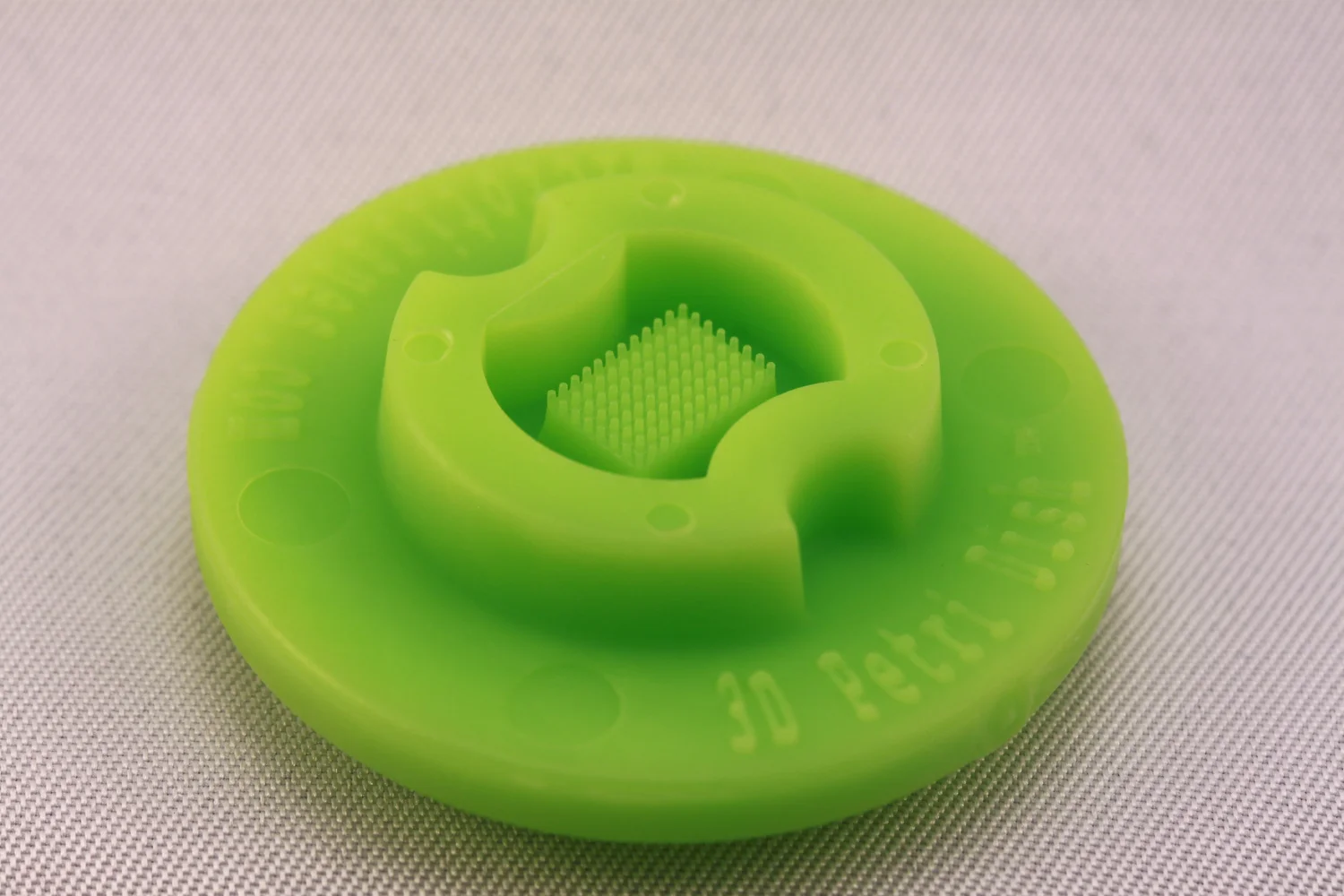
24-96 Small Spheroids
24-well plates · $575
View 24-96 →
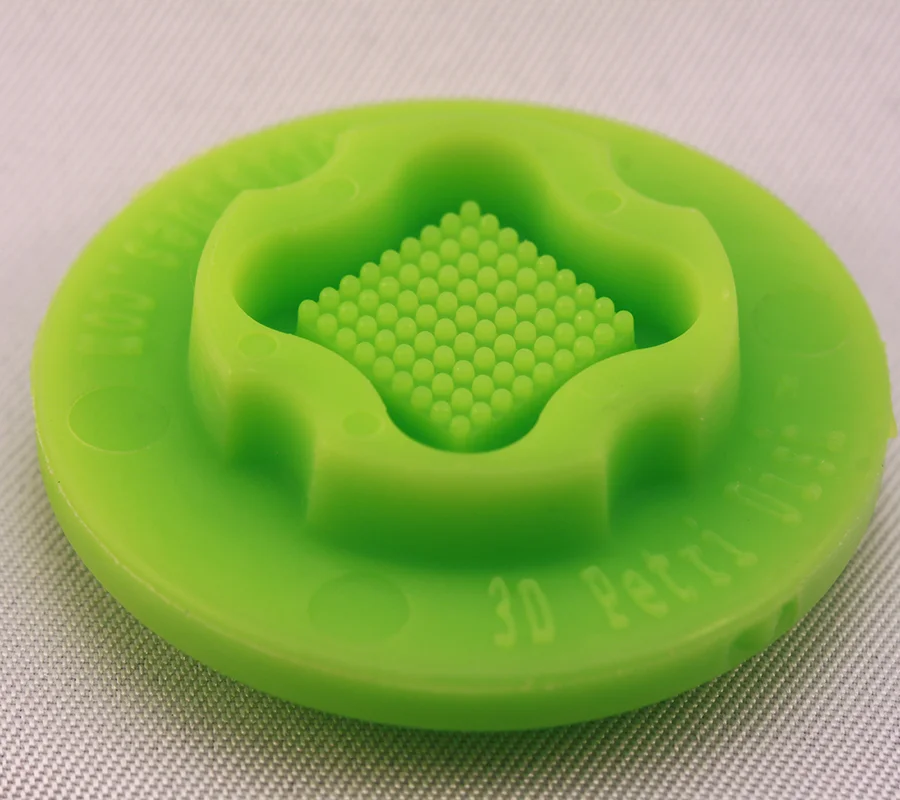
12-81 Large Spheroids
12-well plates · $575
View 12-81 →
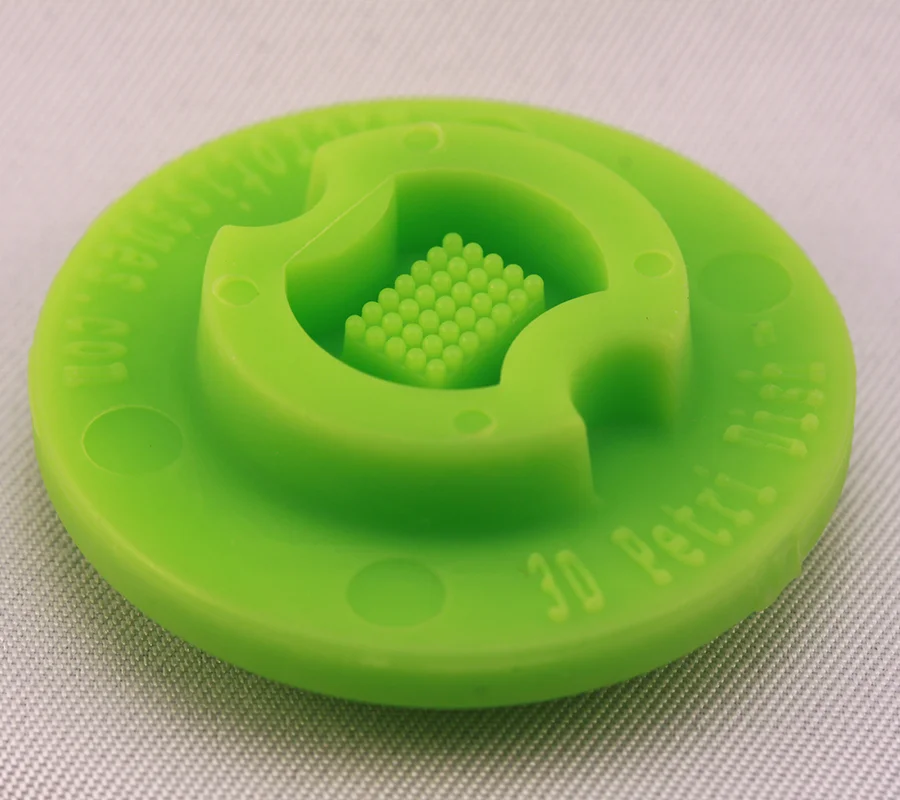
24-35 Large Spheroids
24-well plates · $575
View 24-35 →
Frequently Asked Questions
What research areas use 3D Petri Dish® micro-molds?How do 3D Petri Dish® micro-molds work?
The micro-mold system uses non-adhesive agarose to create arrays of uniform recesses. When cells are seeded, they settle into these recesses and self-assemble into uniform 3D microtissues within 24 hours, without the need for specialized equipment or complex protocols.