Summary
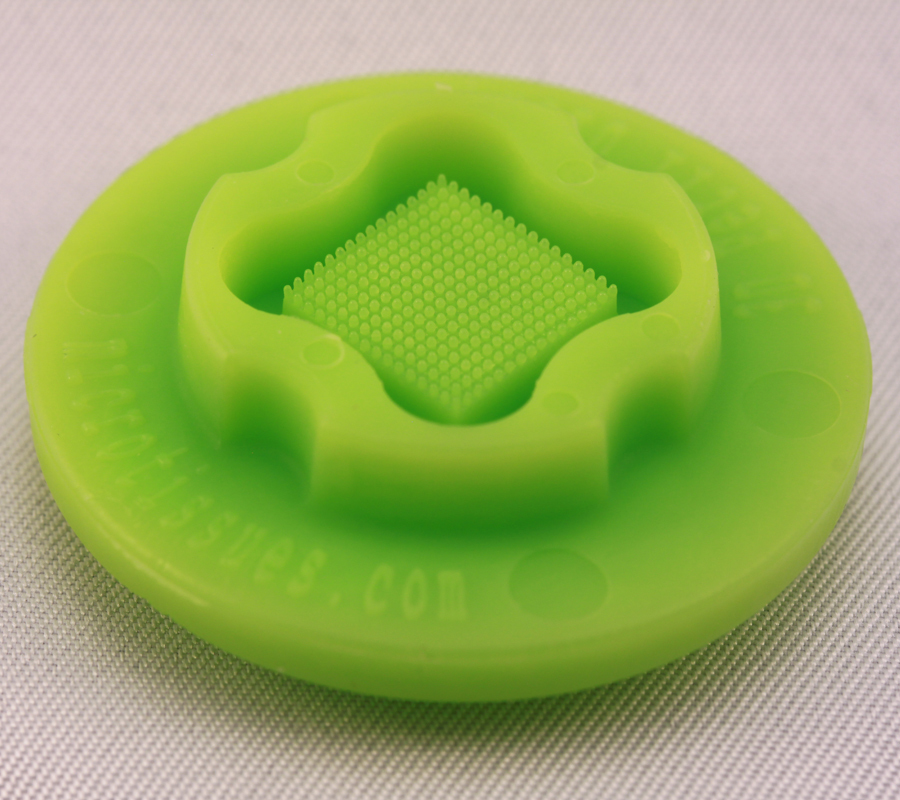
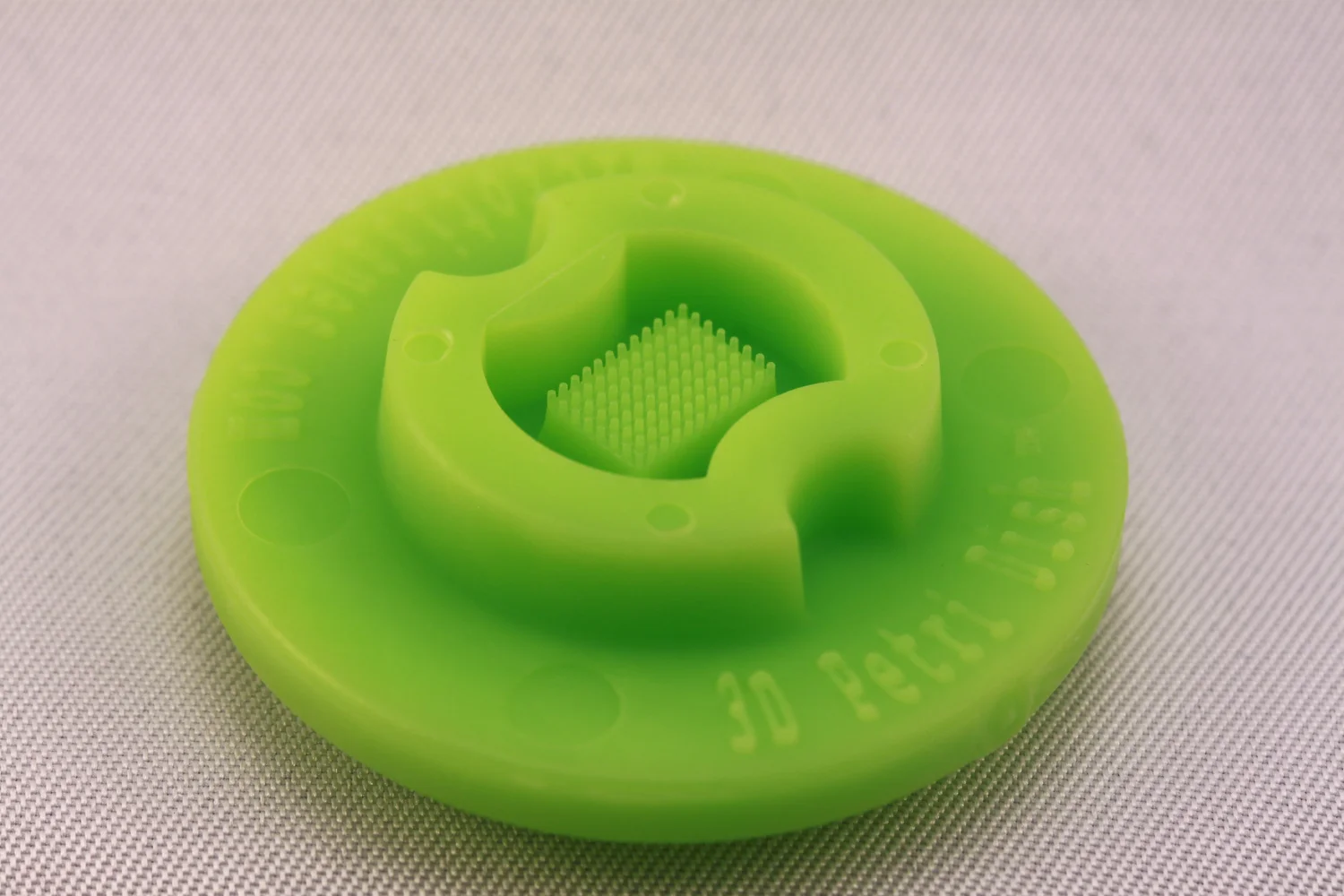
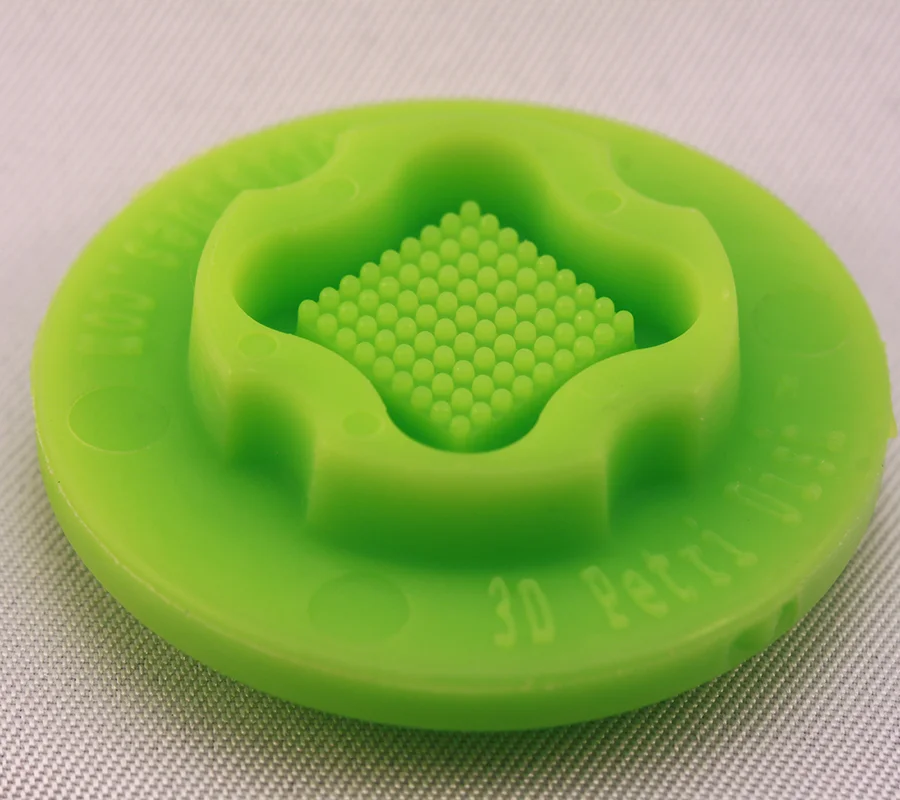
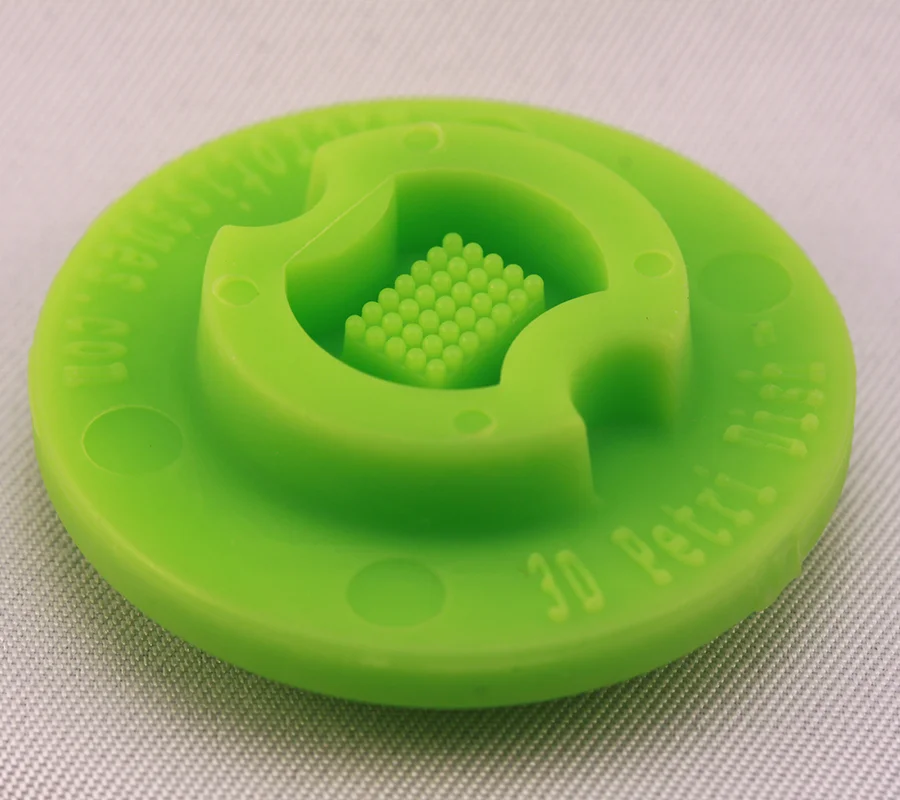
Published in Journal of Orthopaedic Translation (2023), this peer-reviewed study used 3D Petri Dish® micro-molds to form scaffold-free 3D microtissues. Full citation: Schwab, Andrea, et al. Modulating design parameters to drive cell invasion into hydrogels for osteochondral tissue formation
Modulating design parameters to drive cell invasion into hydrogels for osteochondral tissue formation
Research Overview
Repairing osteochondral defects with acellular hydrogels requires cells to invade the material first and then lay down matrix. Because engineered hydrogels vary so widely, the properties that permit or enhance invasion were unclear. This study examined how physicochemical hydrogel parameters influence cell migration and subsequent tissue formation across in vitro, ex vivo, and in vivo models.
Three platforms were compared: gelatin methacryloyl at 5 wt%, norbornene-hyaluronic acid at 2 wt%, and tyramine-functionalized hyaluronic acid at 2.5 wt%. GelMA was prepared at two degrees of functionalization (50% and 80%), and the norbornene-HA was varied in degradability through an MMP-cleavable crosslinker, isolating stiffness, crosslink density, and degradability as design levers.
Key Discoveries
- GelMA, norbornene-HA, and tyramine-HA hydrogels compared for cell invasion and tissue formation
- GelMA functionalization (50% vs 80%) and MMP-degradable crosslinking varied as design parameters
- Evaluated across in vitro, ex vivo, and in vivo osteochondral models