Summary
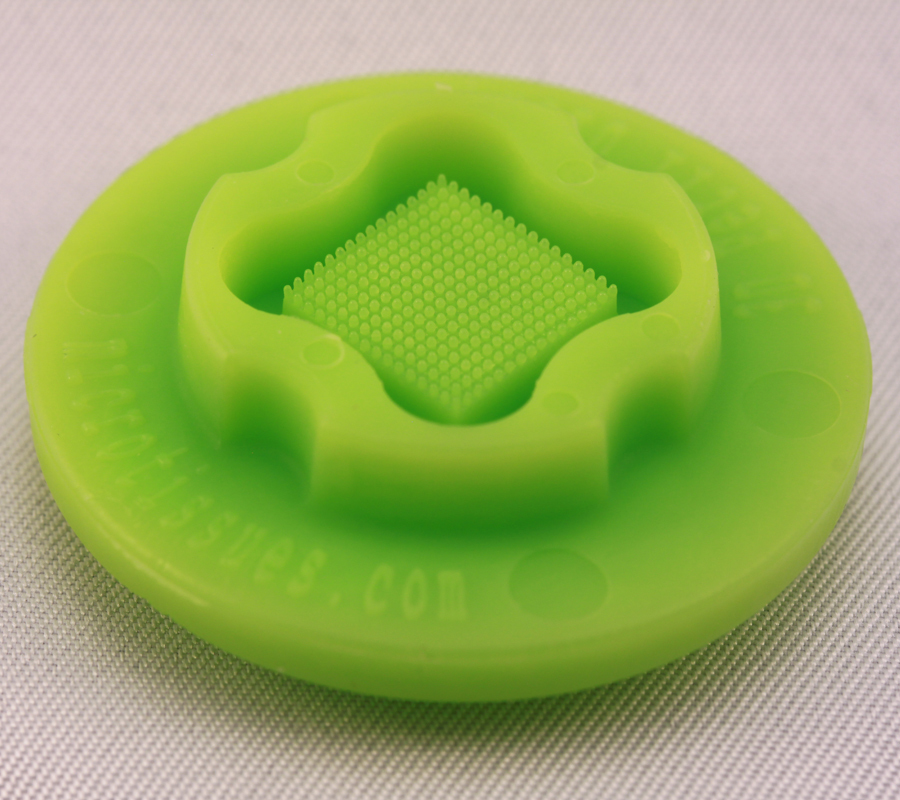
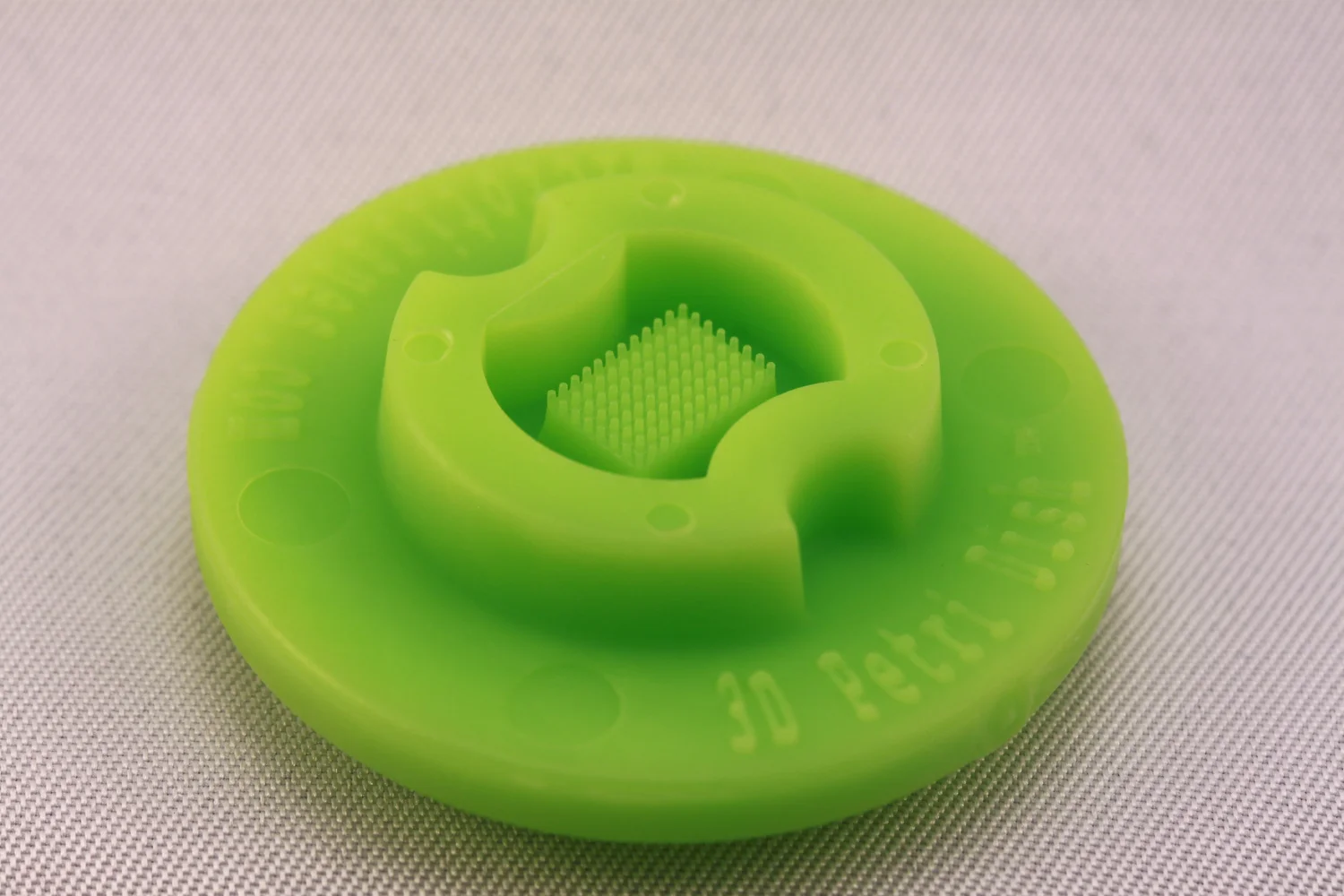
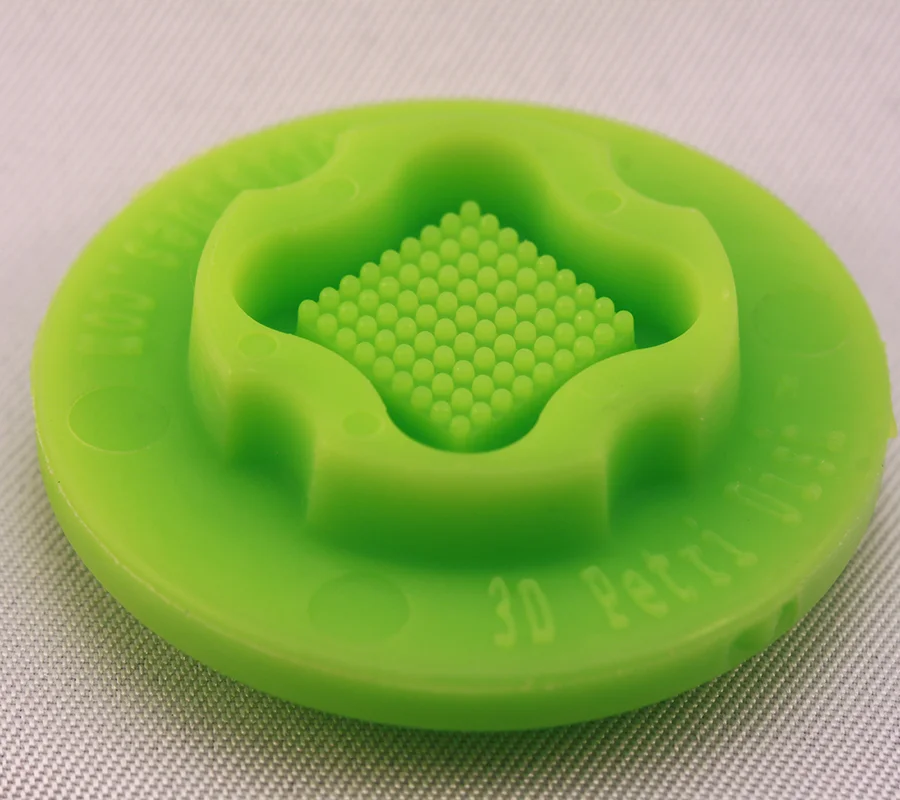
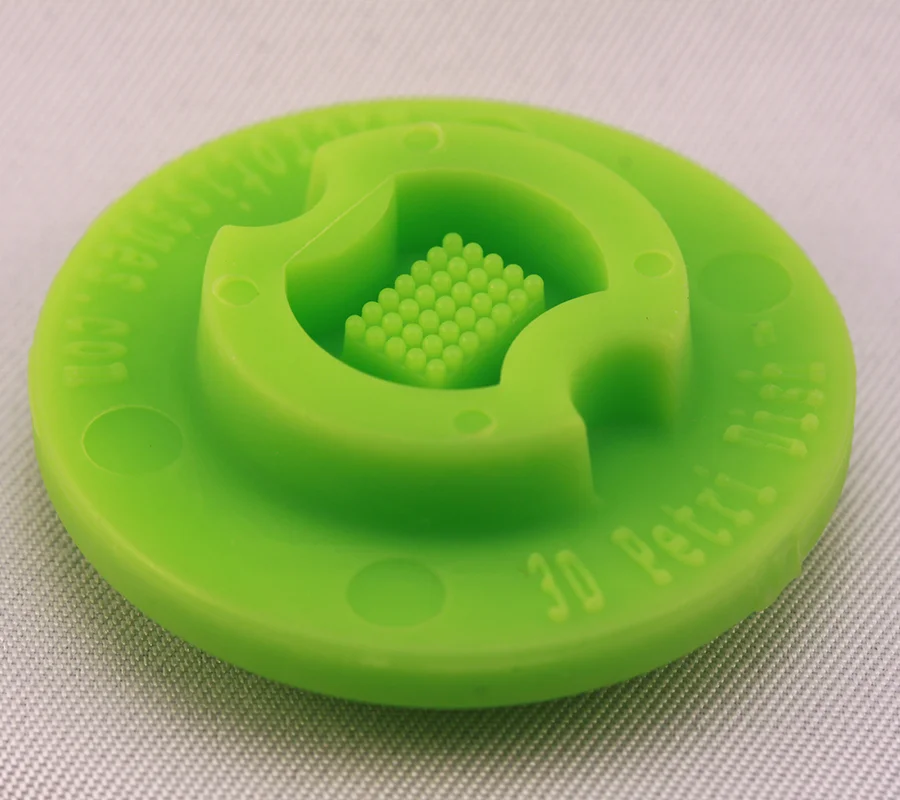
Published in Journal of Pharmacy and Pharmacology (2022), this peer-reviewed study used 3D Petri Dish® micro-molds to form scaffold-free 3D microtissues. Full citation: Fobian, Seth-Frerich, et al. Mechanisms facilitating the uptake of carboxyl–polythene glycol-functionalized gold nanoparticles into multicellular spheroids
Mechanisms facilitating the uptake of carboxyl–polythene glycol-functionalized gold nanoparticles into multicellular spheroids
Research Overview
Nanomedicines only work if they get inside cells, so characterizing uptake and intracellular trafficking is essential. Spheroids — with their 3D architecture and heterogeneous cell distribution — offer an in vivo-representative platform for assessing that biological activity, unlike monolayers.
This study developed an A549 alveolar carcinoma spheroid model as an uptake-assessment platform for carboxyl-polyethylene-glycol-functionalized gold nanoparticles, creating a route to characterize nanoparticle penetration and trafficking under tissue-like conditions.
Key Discoveries
- A549 alveolar carcinoma spheroid model built as a nanoparticle uptake platform
- Carboxyl-PEG-functionalized gold nanoparticles used to probe uptake and trafficking
- 3D architecture and heterogeneous cell distribution give more in vivo-representative results than monolayers