Summary
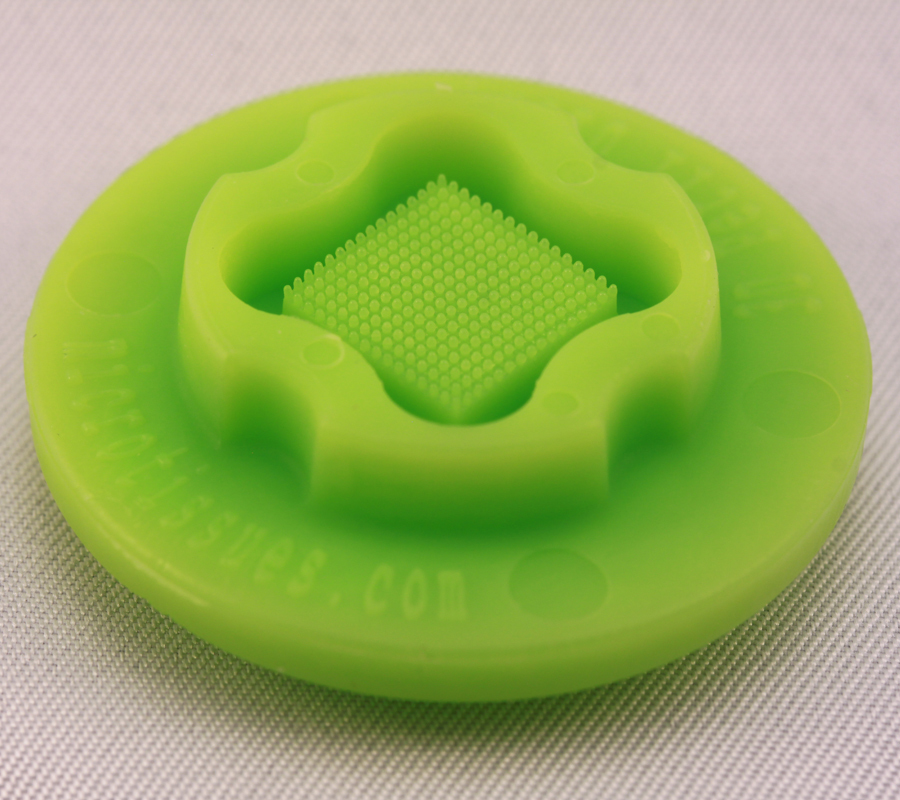
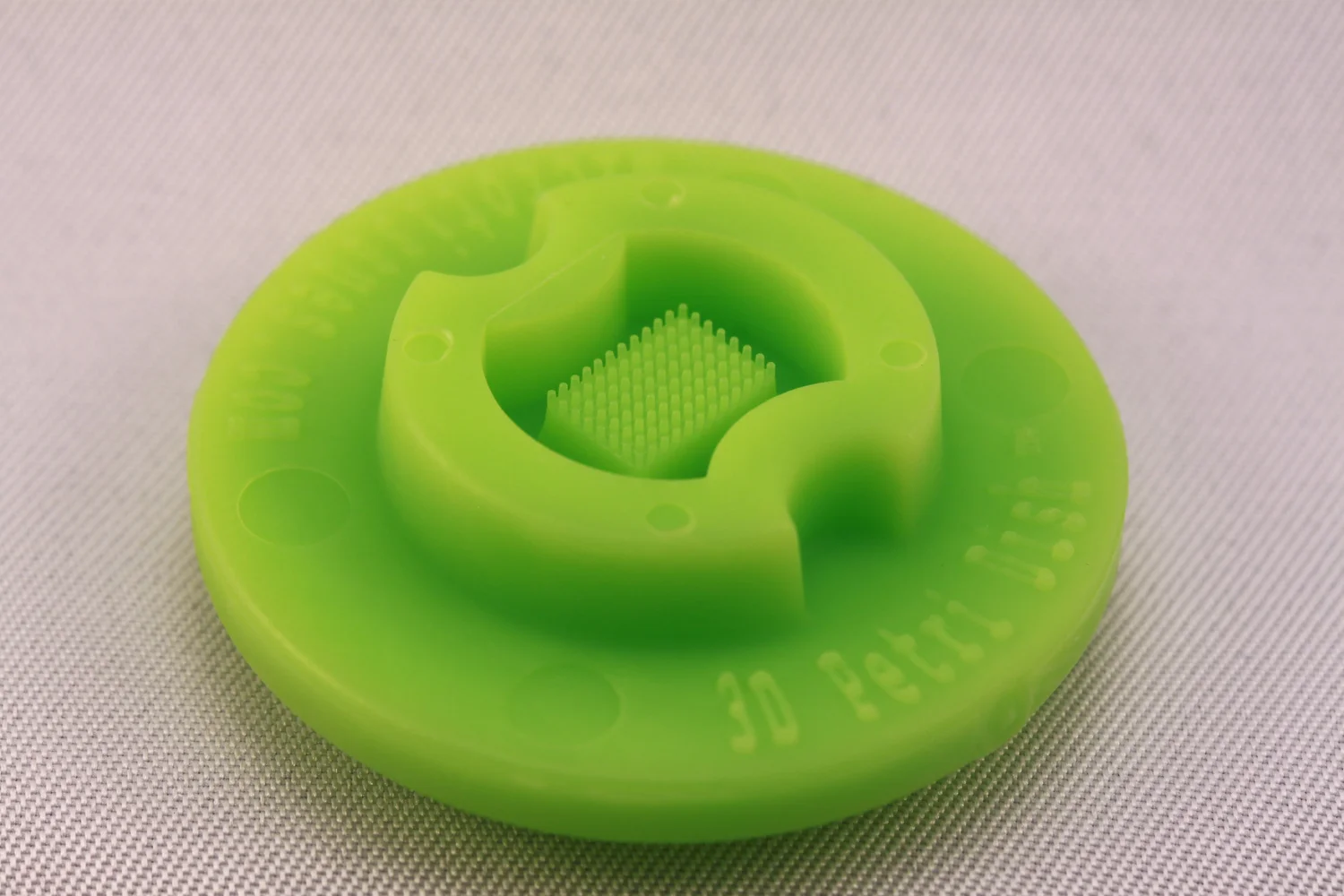
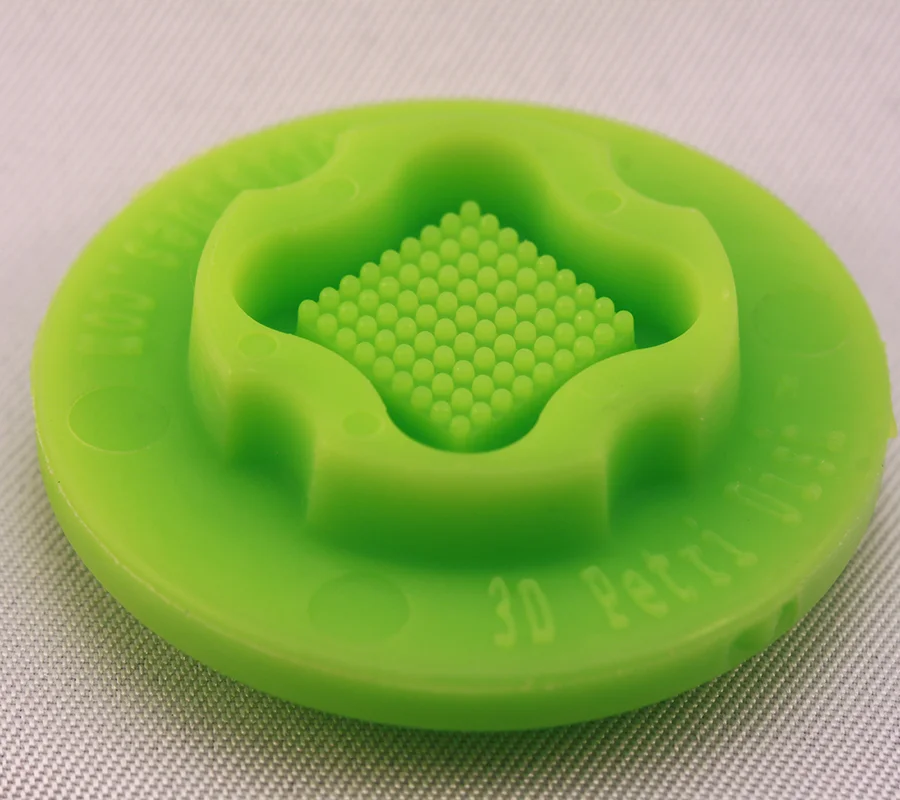
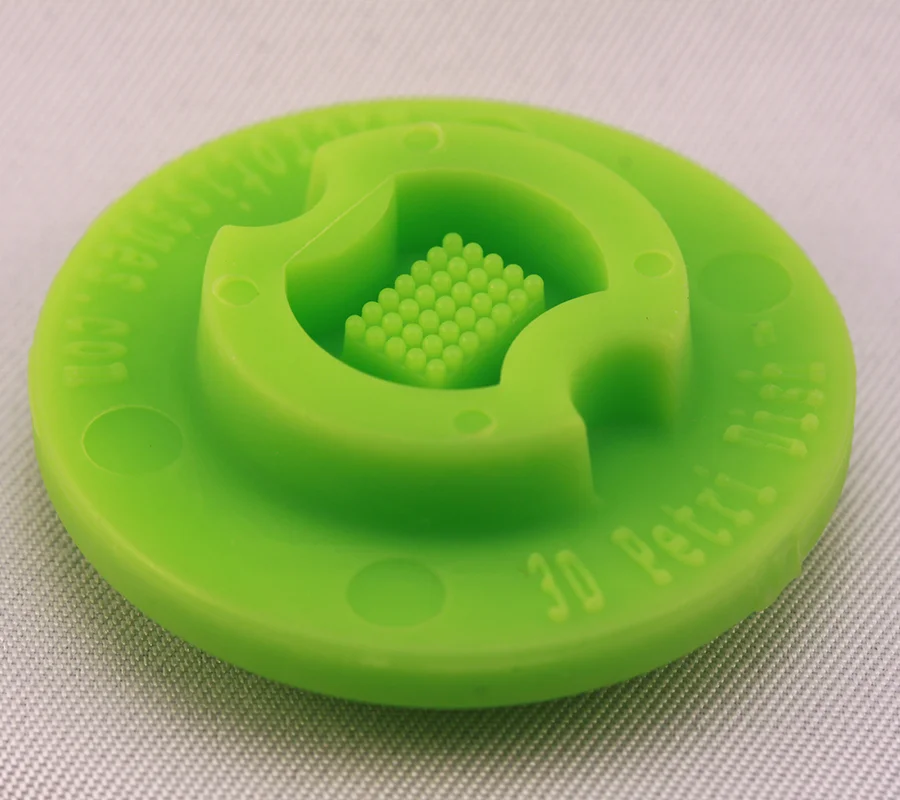
Published in Micromachines (2023), this peer-reviewed study used 3D Petri Dish® micro-molds to form scaffold-free 3D microtissues. Full citation: Minaeva, Ekaterina D., et al. Laser Bioprinting with Cell Spheroids: Accurate and Gentle
Laser Bioprinting with Cell Spheroids: Accurate and Gentle
Research Overview
Laser printing of cell spheroids could be powerful for tissue engineering, but standard laser bioprinters are tuned for transferring small objects like single cells and microorganisms; applied to spheroids they either destroy them or degrade print quality badly.
This study demonstrated laser-induced forward transfer of spheroids in a gentle mode that preserved roughly 80% cell survival without damage or burns. Spatial resolution for printing spheroid geometric structures reached 62 ± 33 µm — considerably finer than the spheroids themselves — showing that accurate, viable spheroid placement by laser is achievable with the right protocol.
Key Discoveries
- Gentle laser-induced forward transfer moved intact spheroids with ~80% cell survival
- Printing resolution of 62 ± 33 µm, finer than the spheroid diameter
- Standard laser bioprinting protocols destroy spheroids; the adapted mode does not