Summary
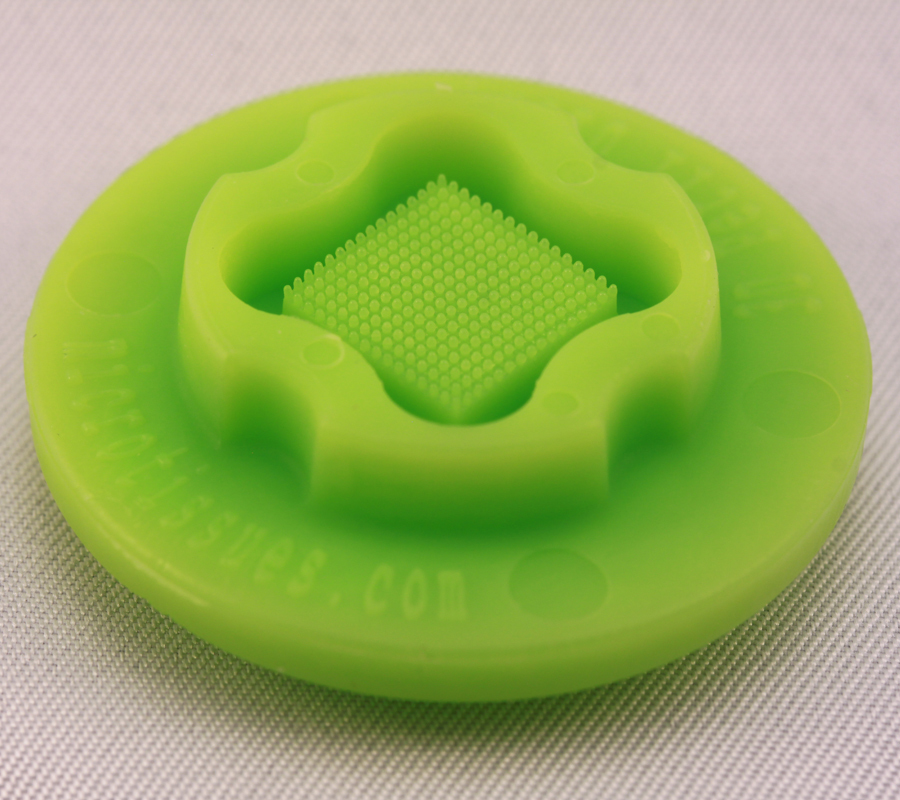
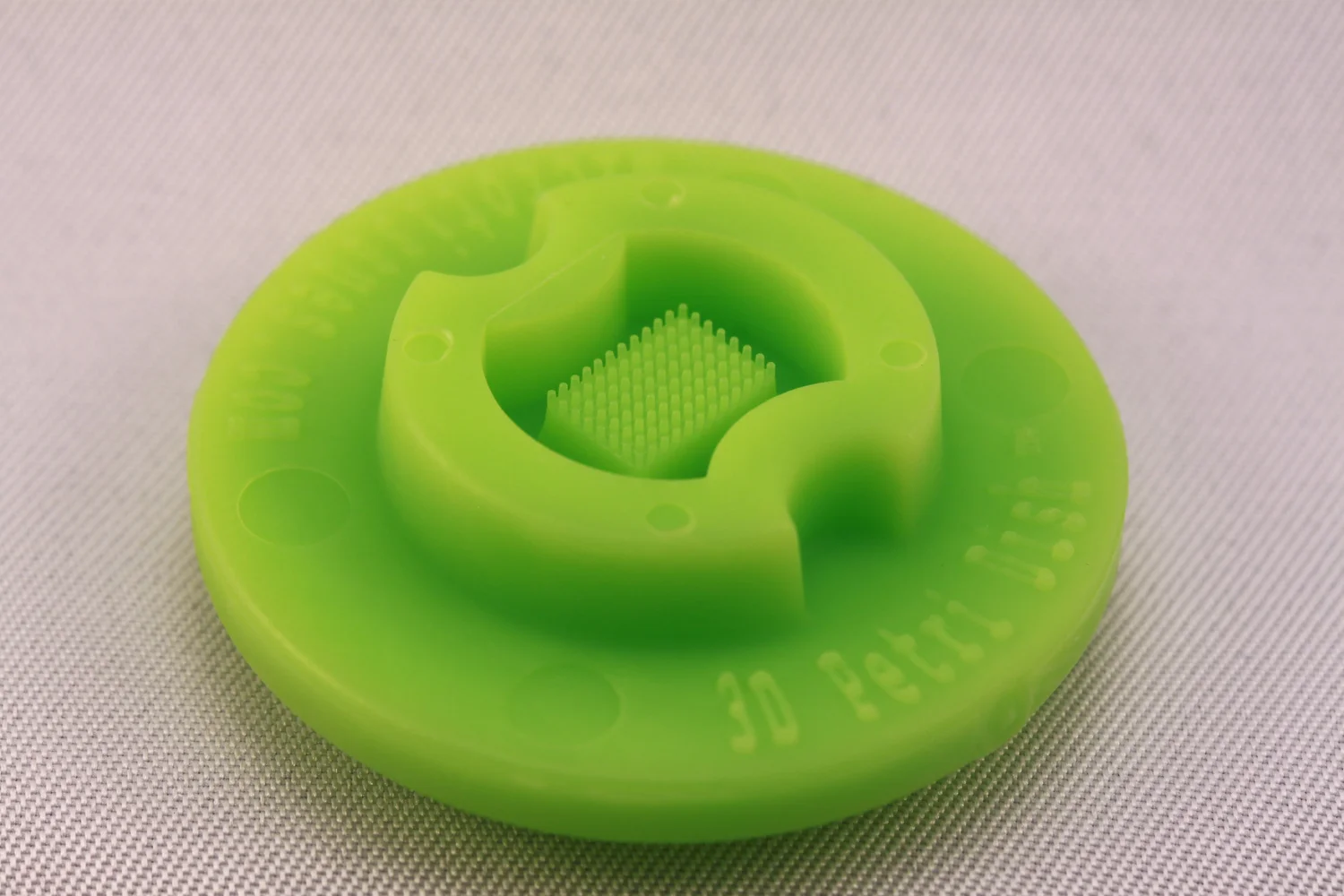
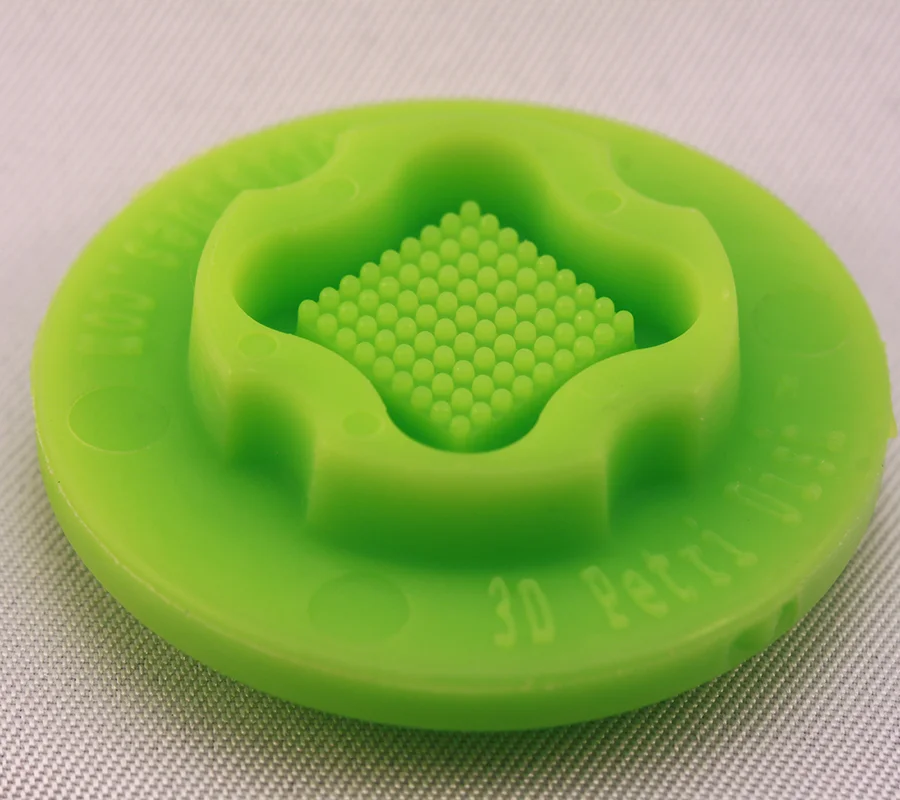
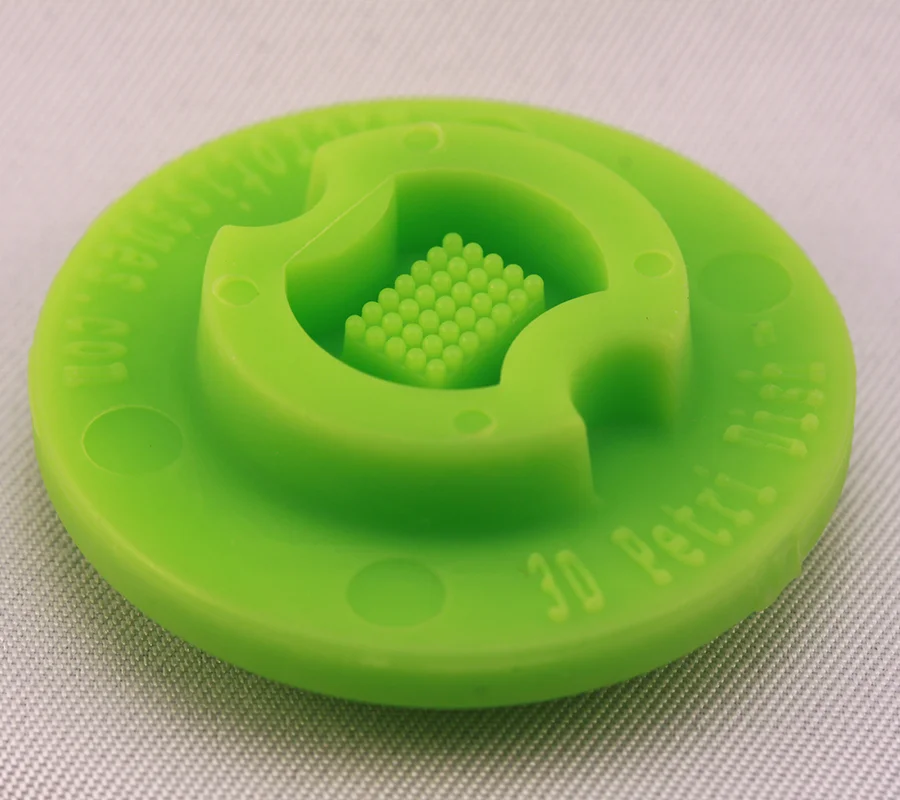
Published in EBioMedicine (2019), this peer-reviewed study used 3D Petri Dish® micro-molds to form scaffold-free 3D microtissues. Full citation: Hsu, Che-Fang, et al. IGF-axis confers transformation and regeneration of fallopian tube fimbria epithelium upon ovulation
IGF-axis confers transformation and regeneration of fallopian tube fimbria epithelium upon ovulation
Research Overview
The fallopian tube fimbria is regarded as the main tissue of origin for ovarian high-grade serous carcinoma, with incessant ovulation as the main risk factor. This group had previously shown that human ovulatory follicular fluid (FF) is tumorigenic when injected into the mammary fat pad of Trp53-null mice, and had identified mutagenic FF-ROS activity and apoptosis-rescuing hemoglobin from retrograde menstruation — but neither explained FF’s tumorigenic activity.
Using two cohorts of ovulatory FF from IVF patients, this study identified the main growth factor responsible for transforming human fimbrial epithelial cells and characterized its activation, signal transduction, and the cellular and genetic phenotypes of the resulting malignant transformation.
Key Discoveries
- Identifies the follicular fluid growth factor that transforms human fimbrial epithelial cells
- Builds on prior finding that ovulatory follicular fluid is tumorigenic in Trp53-null mice
- Characterizes activation, signaling, and phenotypes of the malignant transformation