Summary
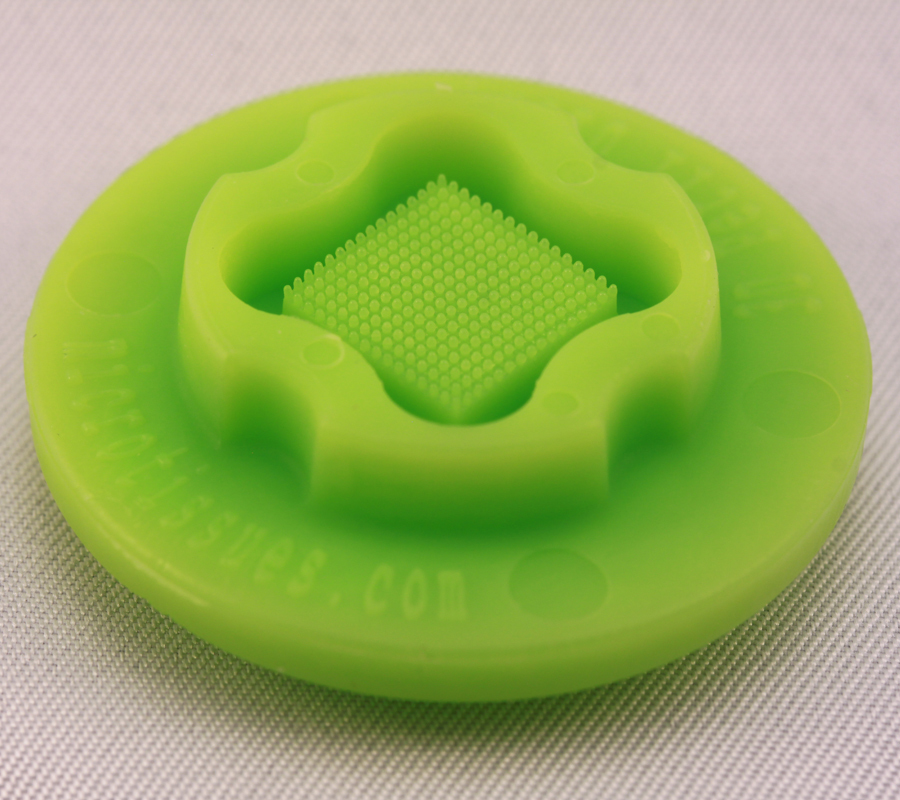
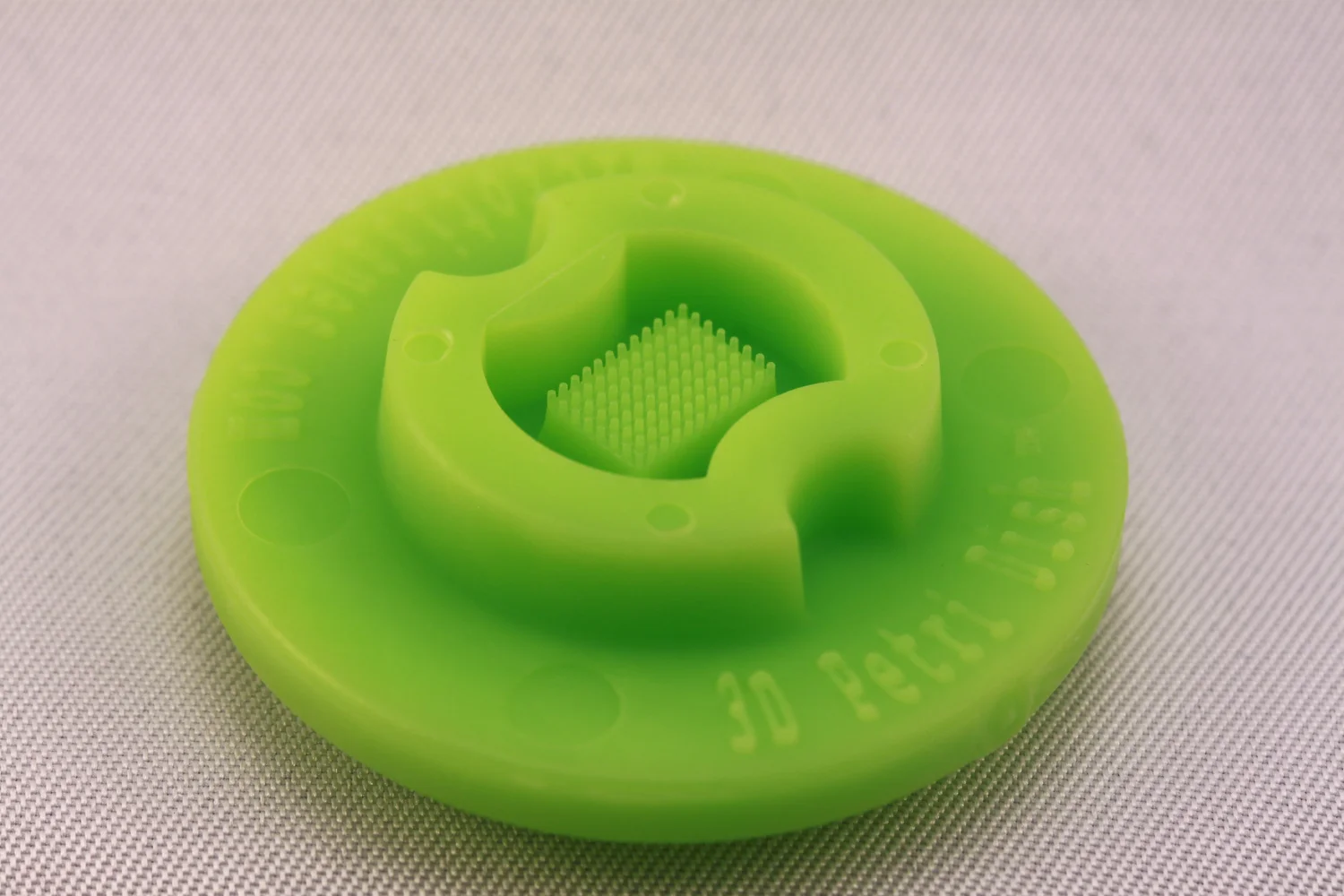
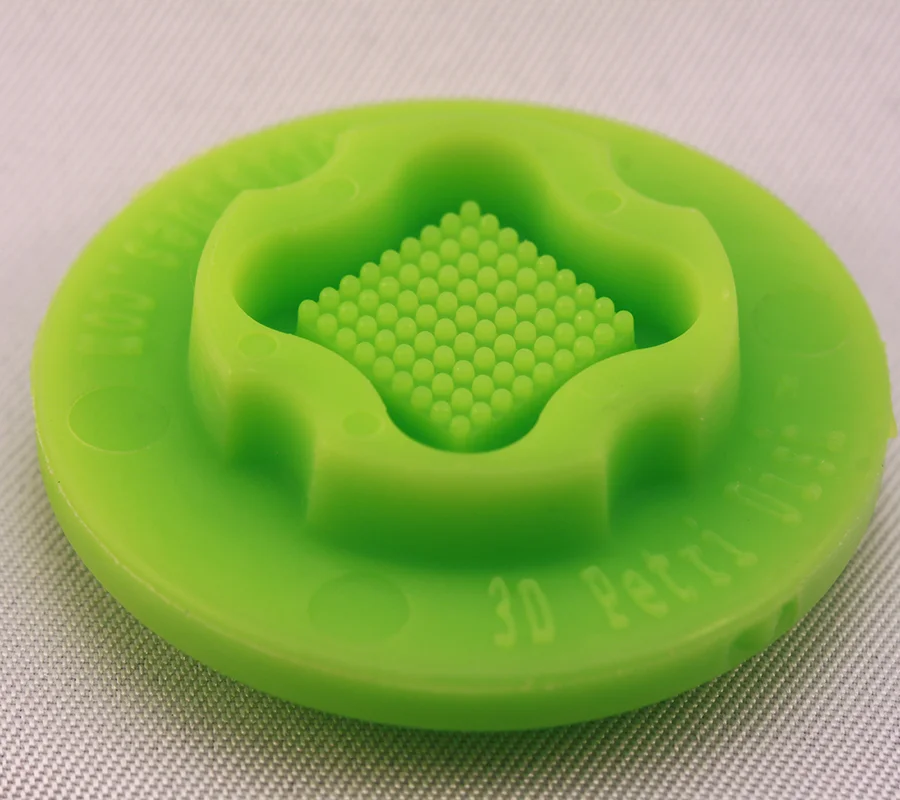
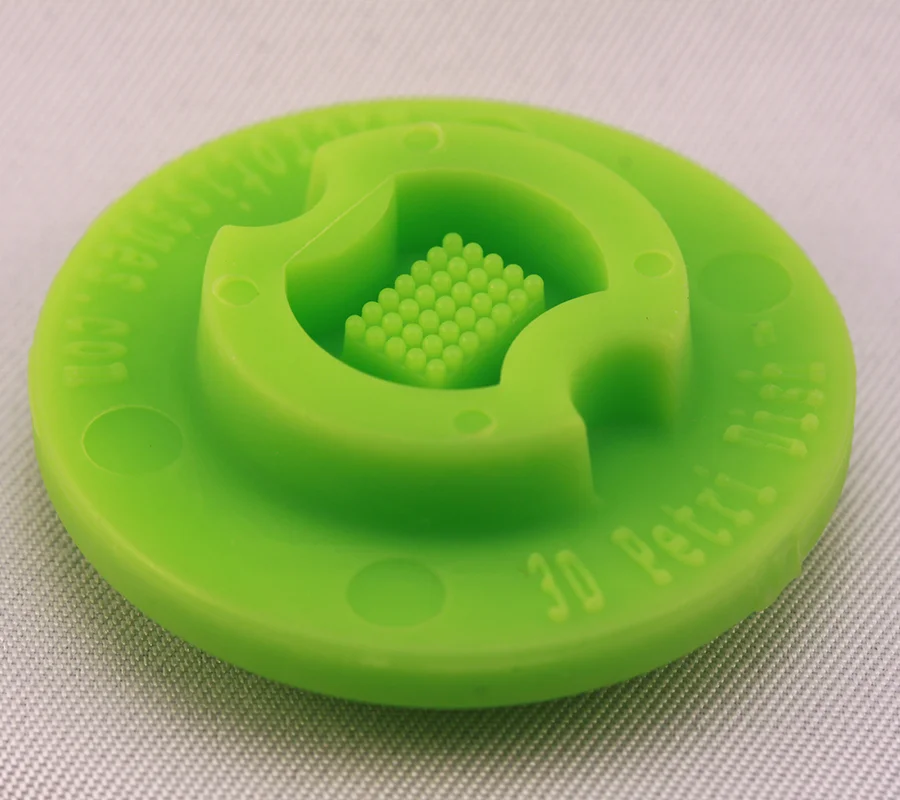
Published in Gels (2026), this peer-reviewed study used 3D Petri Dish® micro-molds to form scaffold-free 3D microtissues. Full citation: Amarbayasgalan, Narantungalag, et al. Hydroxyapatite-Mediated Mechanical Modulation of GelMA Hydrogels Influences Osteogenic Differentiation of 3D Spheroids
Hydroxyapatite-Mediated Mechanical Modulation of GelMA Hydrogels Influences Osteogenic Differentiation of 3D Spheroids
Research Overview
Substrate stiffness regulates osteogenic differentiation, but systematic identification of optimal mechanics in 3D culture has been limited. This study tuned gelatin methacryloyl hydrogels with hydroxyapatite at 5, 10, and 15 µg/mL, characterized their mechanics, and encapsulated pre-formed SAOS-2 osteosarcoma spheroids under osteogenic conditions.
The 5 µg/mL formulation had the highest compressive modulus; higher hydroxyapatite reduced crosslinking efficiency. All formulations supported comparable viability and metabolic activity. Yet the 10 µg/mL hydrogel produced the highest alkaline phosphatase activity at days 7 and 14 despite being less stiff than the 5 µg/mL gel — a non-linear relationship between stiffness and osteogenic output.
Key Discoveries
- GelMA with 5 µg/mL hydroxyapatite was stiffest; higher loading reduced crosslinking efficiency
- All formulations supported comparable spheroid viability and metabolism
- 10 µg/mL gave the highest alkaline phosphatase at days 7 and 14 despite lower stiffness — a non-linear stiffness-osteogenesis relationship