Summary
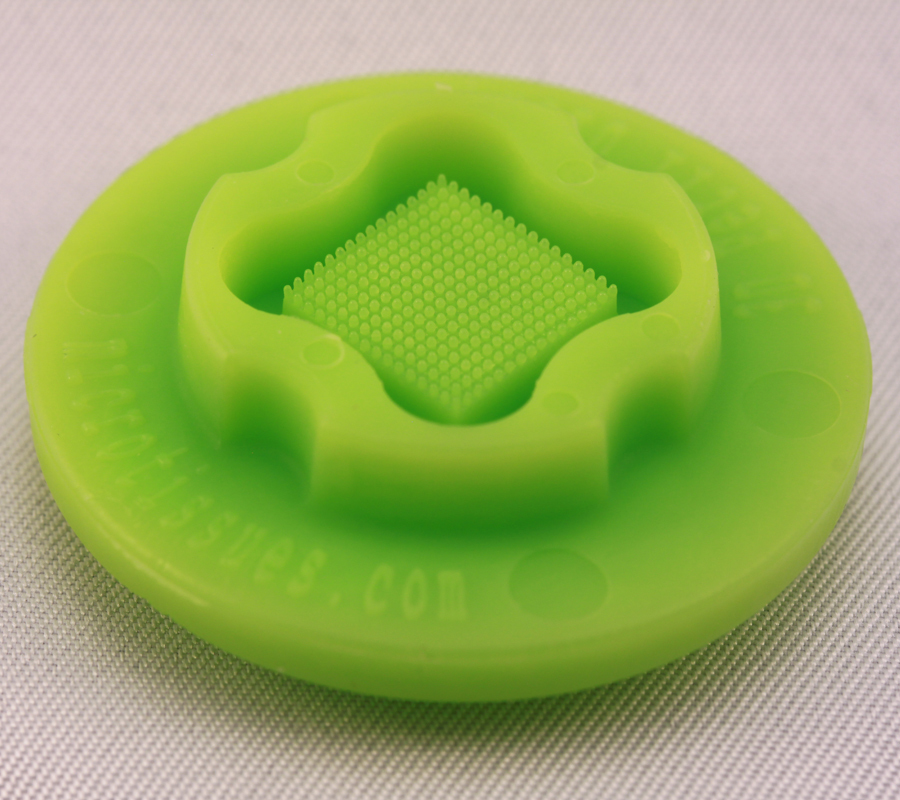
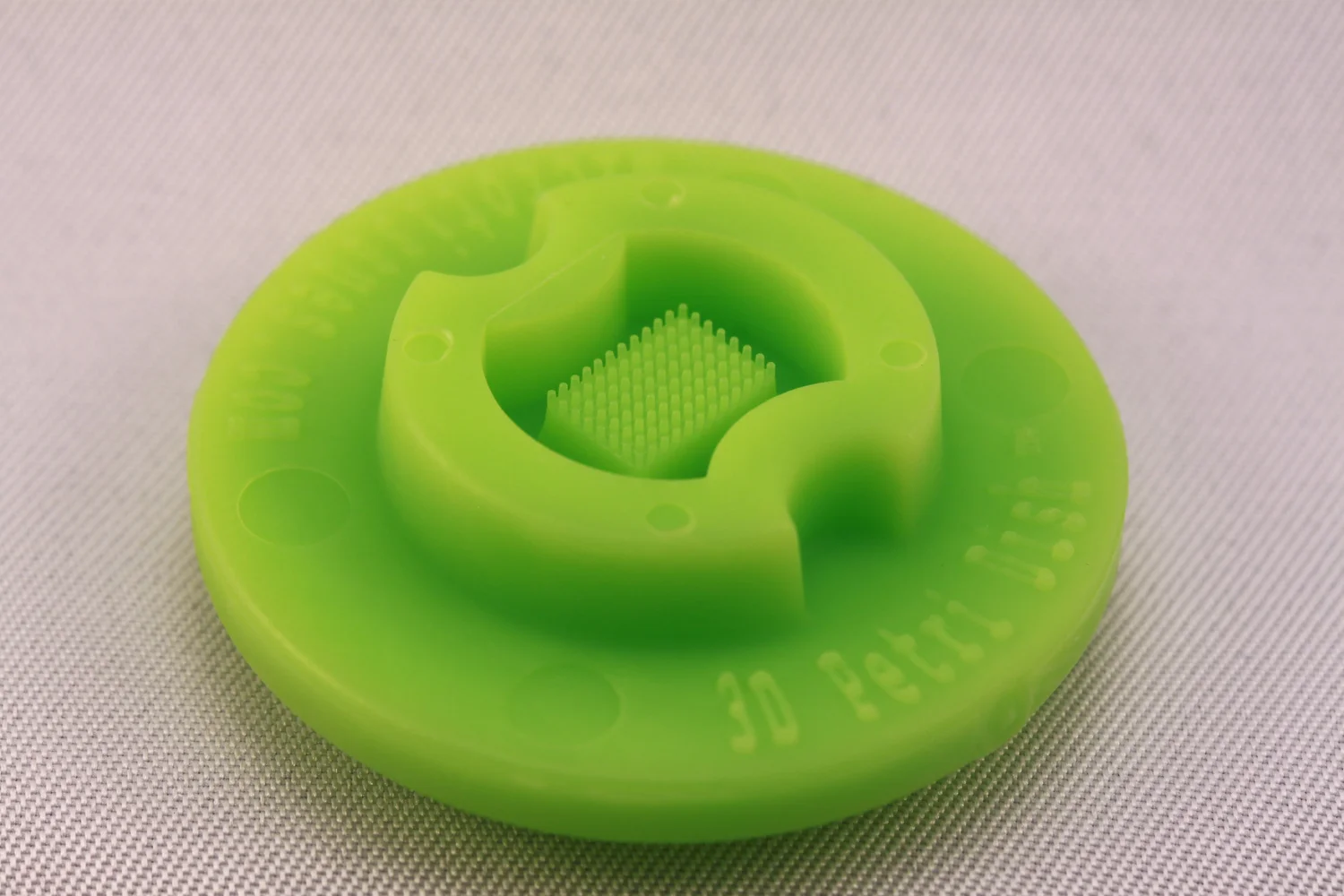
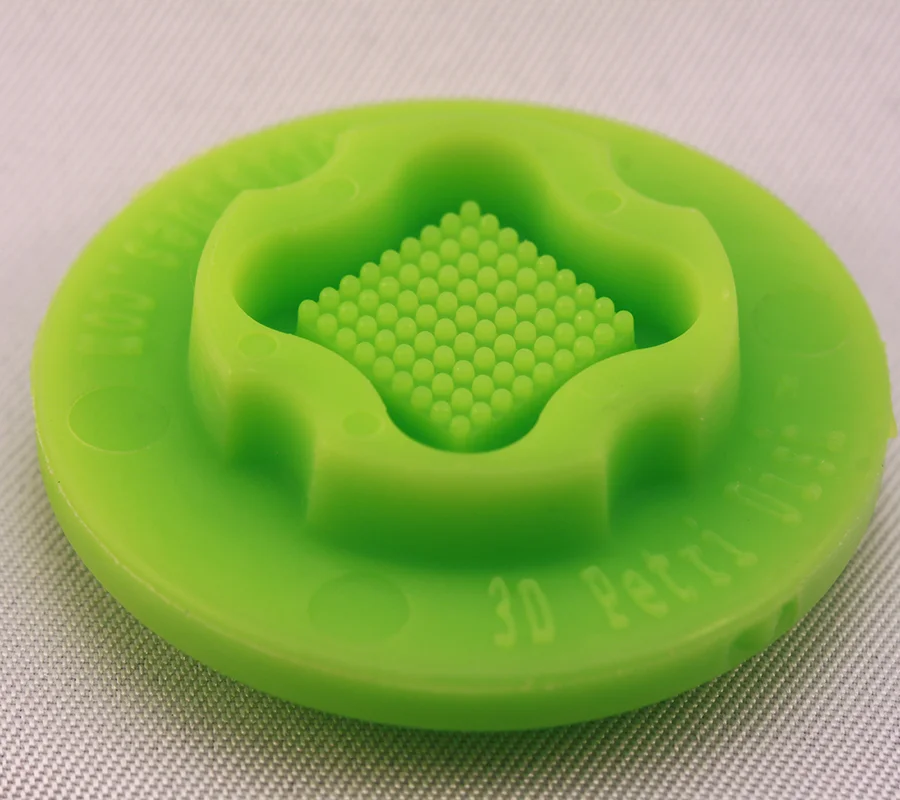
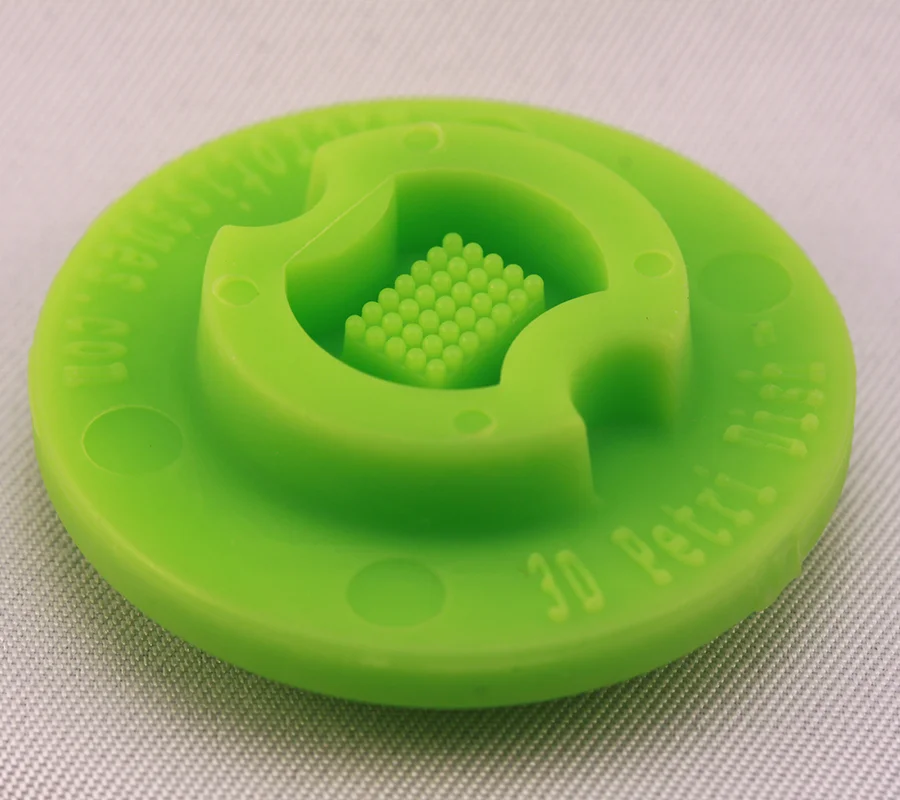
Published in Bioengineering & Translational Medicine (2022), this peer-reviewed study used 3D Petri Dish® micro-molds to form scaffold-free 3D microtissues. Full citation: Kim, WonJin, et al. Hybrid cell constructs consisting of bioprinted cell‐spheroids
Hybrid cell constructs consisting of bioprinted cell‐spheroids
Research Overview
Bioprinted constructs have been explored for regenerating many tissues, but weak cell–cell interaction limits them; spheroids fix that yet are awkward to print. This study introduces a printing process that fabricates spheroids and cell-loaded constructs simultaneously, with no spheroids prepared in advance.
Cells dispensed in mineral-oil droplets self-assembled into spheroids at the oil–aqueous interface and showed biological functions comparable to conventionally prepared spheroids. Printing parameters controlled spheroid diameter and placement. As a demonstration, the authors built hybrid constructs combining endothelial-cell spheroids with stem-cell-laden decellularized matrix/β-tricalcium phosphate bioink.
Key Discoveries
- Cells in mineral-oil droplets self-assembled into spheroids during printing, no pre-formation needed
- Printing parameters set spheroid diameter and location
- Hybrid constructs paired endothelial spheroids with stem-cell-laden dECM/β-TCP bioink