Summary
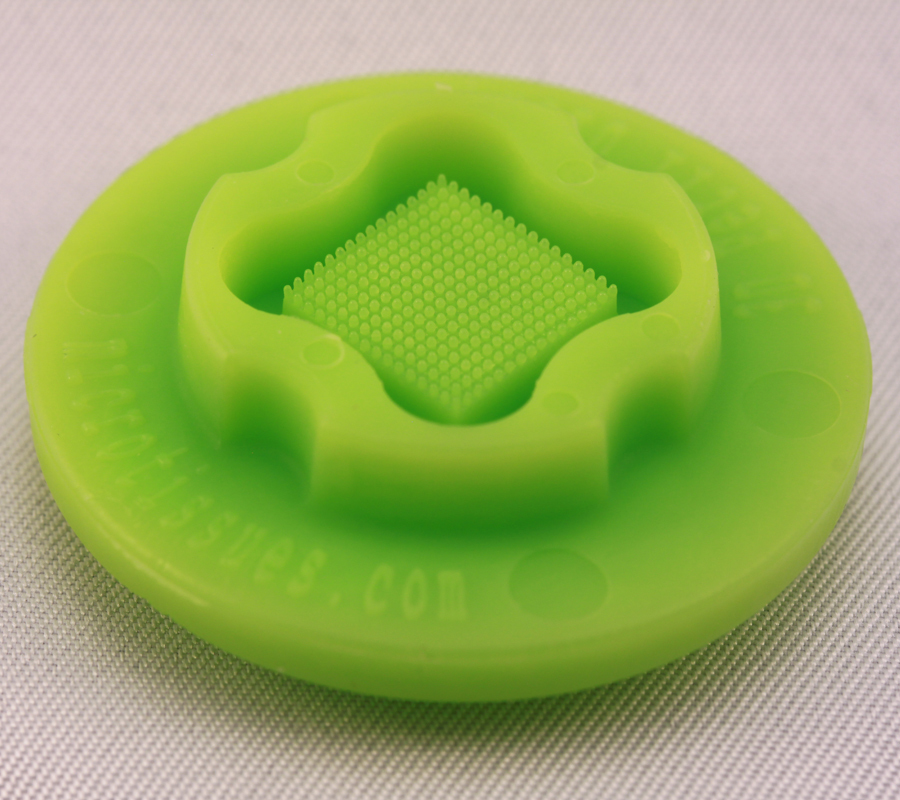
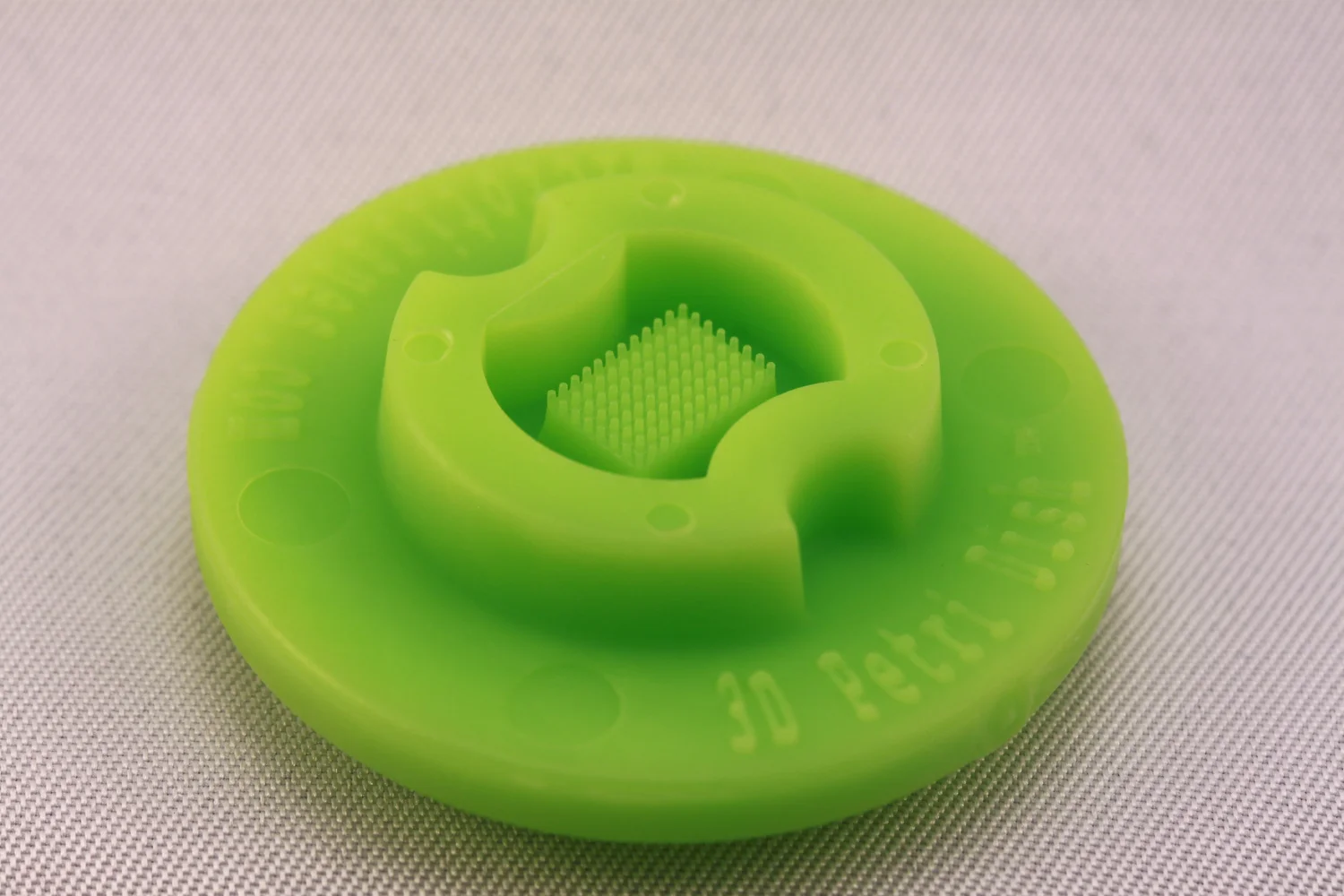
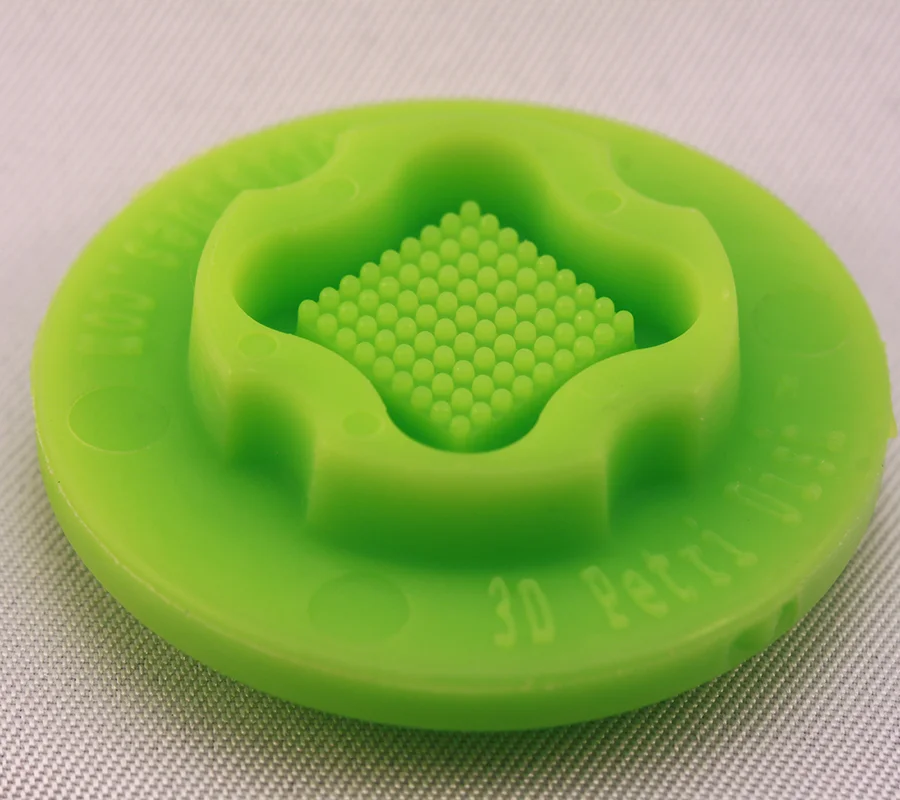
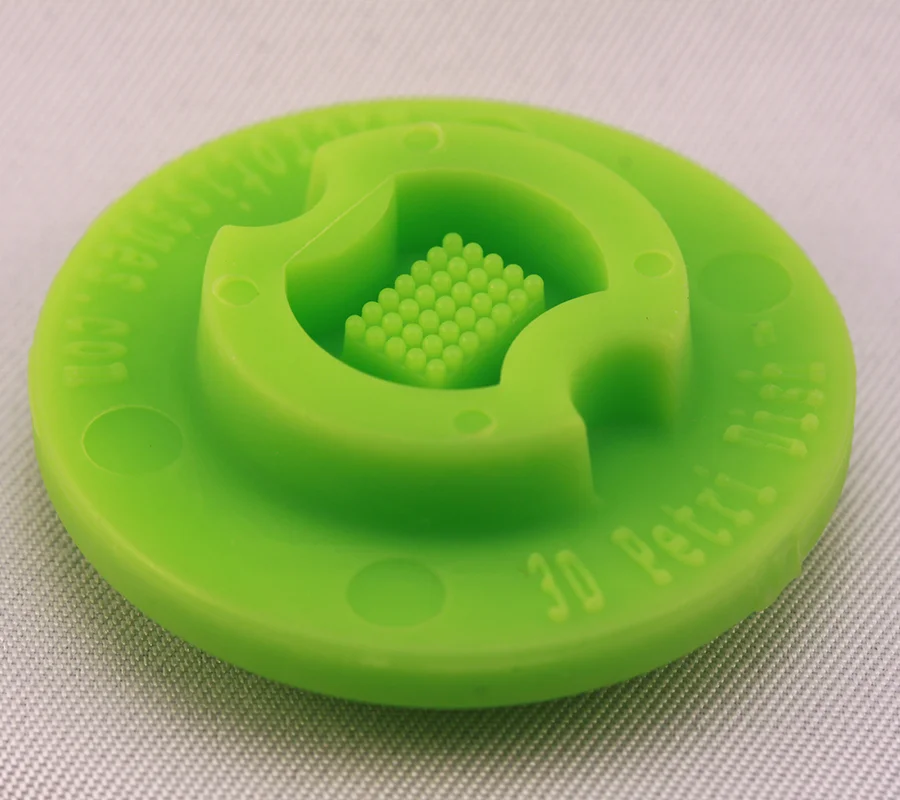
Published in Materials Today Bio (2026), this peer-reviewed study used 3D Petri Dish® micro-molds to form scaffold-free 3D microtissues. Full citation: Yitayew, Michael Yilma, et al. Human donor islets coated with functionalized chitosan and alginate nanoscale layers can restore normoglycemia in diabetic mice
Human donor islets coated with functionalized chitosan and alginate nanoscale layers can restore normoglycemia in diabetic mice
Research Overview
Conformal coating — wrapping each islet in a nano-thin film — is a promising way to reduce the immunogenicity of islet transplants for type 1 diabetes. This study combined two non-immunogenic polyelectrolytes, tetrahydropyran triazole phenyl-alginate and quaternized phosphocholine-chitosan, to form such a film on human donor islets and assess its path to clinical use.
Before committing scarce human islets, the coating was developed on pseudo-islet spheroids made from EndoC-βH1 (proliferative) and βH5 (non-proliferative) human beta-cell lines. Coating formation and biocompatibility were validated on those spheroids first, then transferred to human islets, where the desired coating morphology formed on both.
Key Discoveries
- Nano-thin conformal coating built from TZ-alginate and quaternized phosphocholine-chitosan polyelectrolytes
- Human beta-cell spheroids served as pseudo-islets to validate coating before use on donor islets
- Desired coating morphology and biocompatibility achieved on both spheroids and human islets