Summary
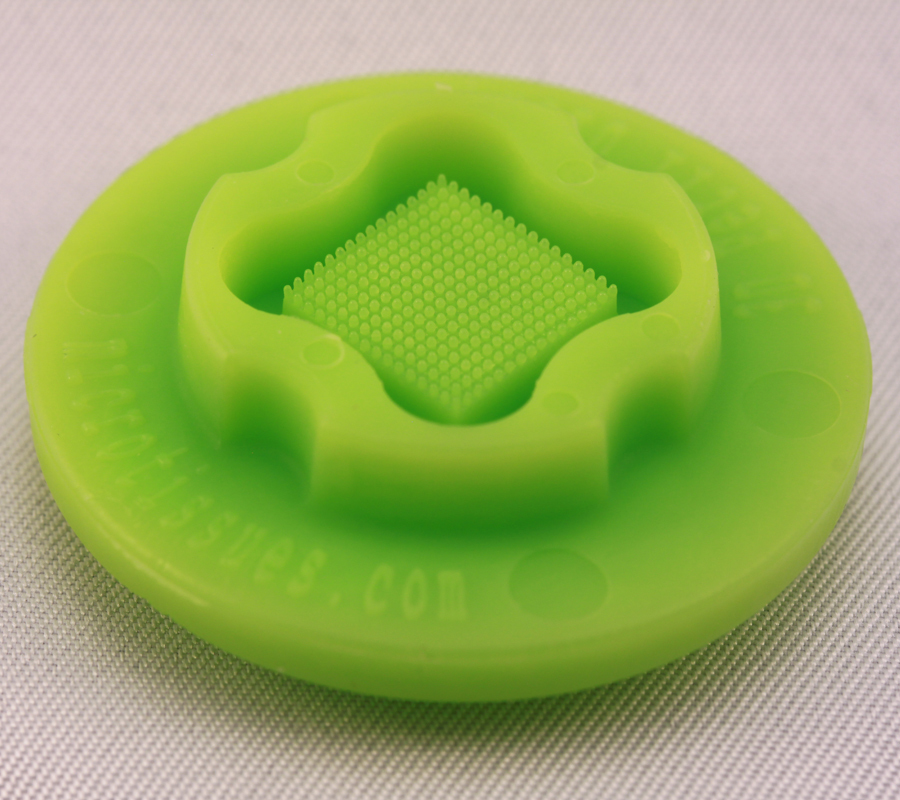
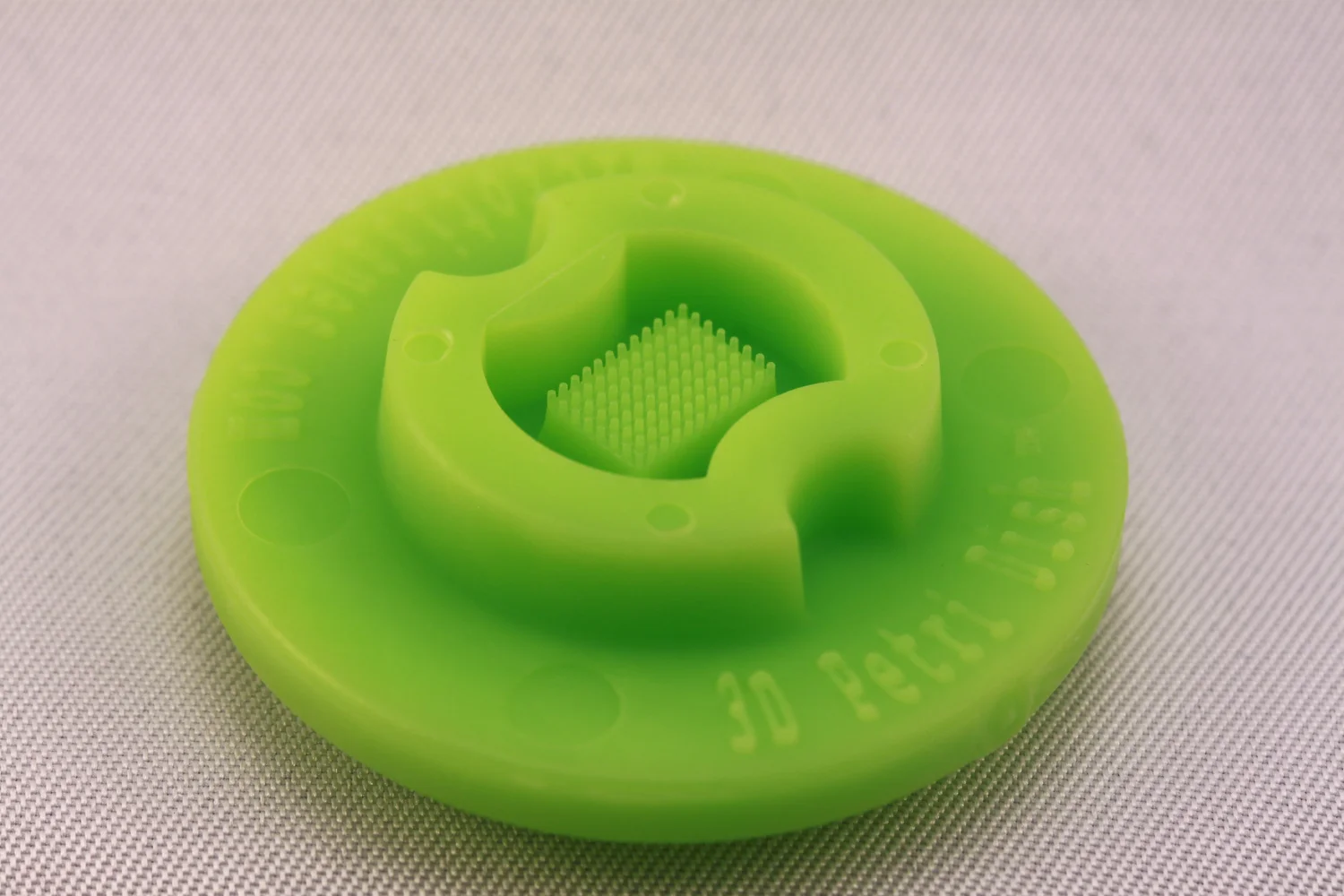
Published in Gene Therapy (2025), this peer-reviewed study used 3D Petri Dish® micro-molds to form scaffold-free 3D microtissues. Full citation: Suleman, Saqlain, et al. hInGeTox: a human-based in vitro platform to evaluate lentivirus/host interactions that contribute to genotoxicity
hInGeTox: a human-based in vitro platform to evaluate lentivirus/host interactions that contribute to genotoxicity
Research Overview
Lentiviral vectors treat genetic disease effectively, but vector-related genotoxicity is a safety concern and existing models do not reliably predict risk in humans. hInGeTox is presented as the first human in vitro platform for this purpose, built on induced pluripotent stem cells and their hepatocyte-like derivatives to study how vectors interact with host cells.
Using lentiviral vectors carrying an eGFP cassette under the SFFV promoter — differing only in LTR and self-inactivating configuration — the authors ran infected cells through an array of assays and integrated the results in multi-omics analyses at early and late harvest points, mapping vector effects that could relate to genotoxic potential.
Key Discoveries
- First human iPSC-based in vitro platform for lentiviral vector genotoxicity assessment
- Vectors differing only in LTR/SIN configuration isolated the contribution of vector design
- Multi-omics readouts at early and late time points captured vector-host interactions