Summary
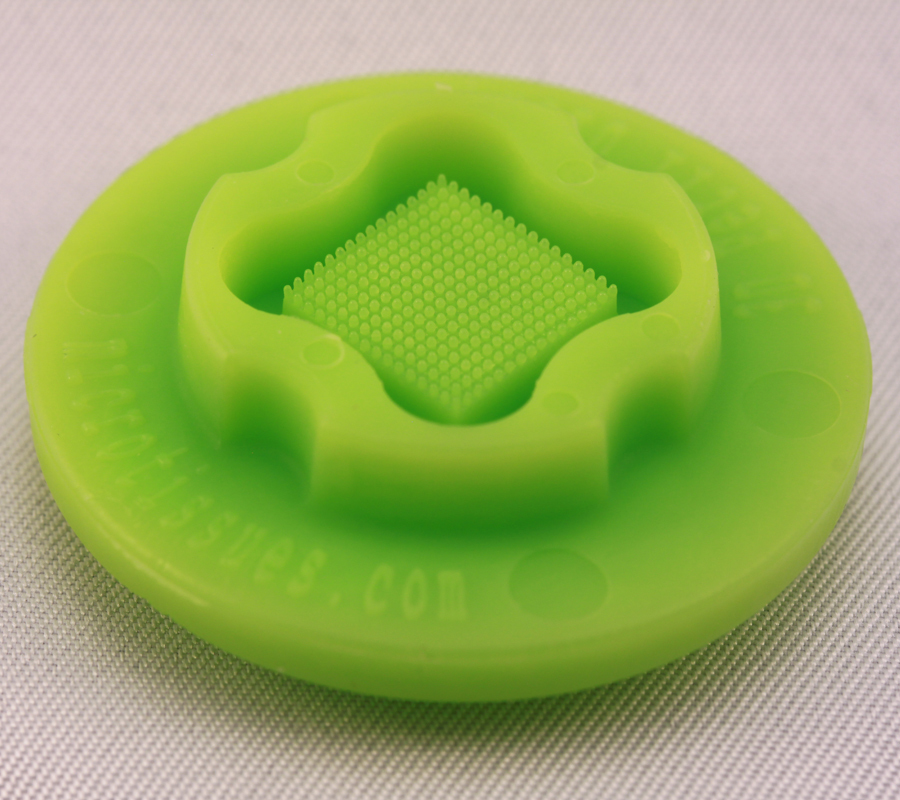
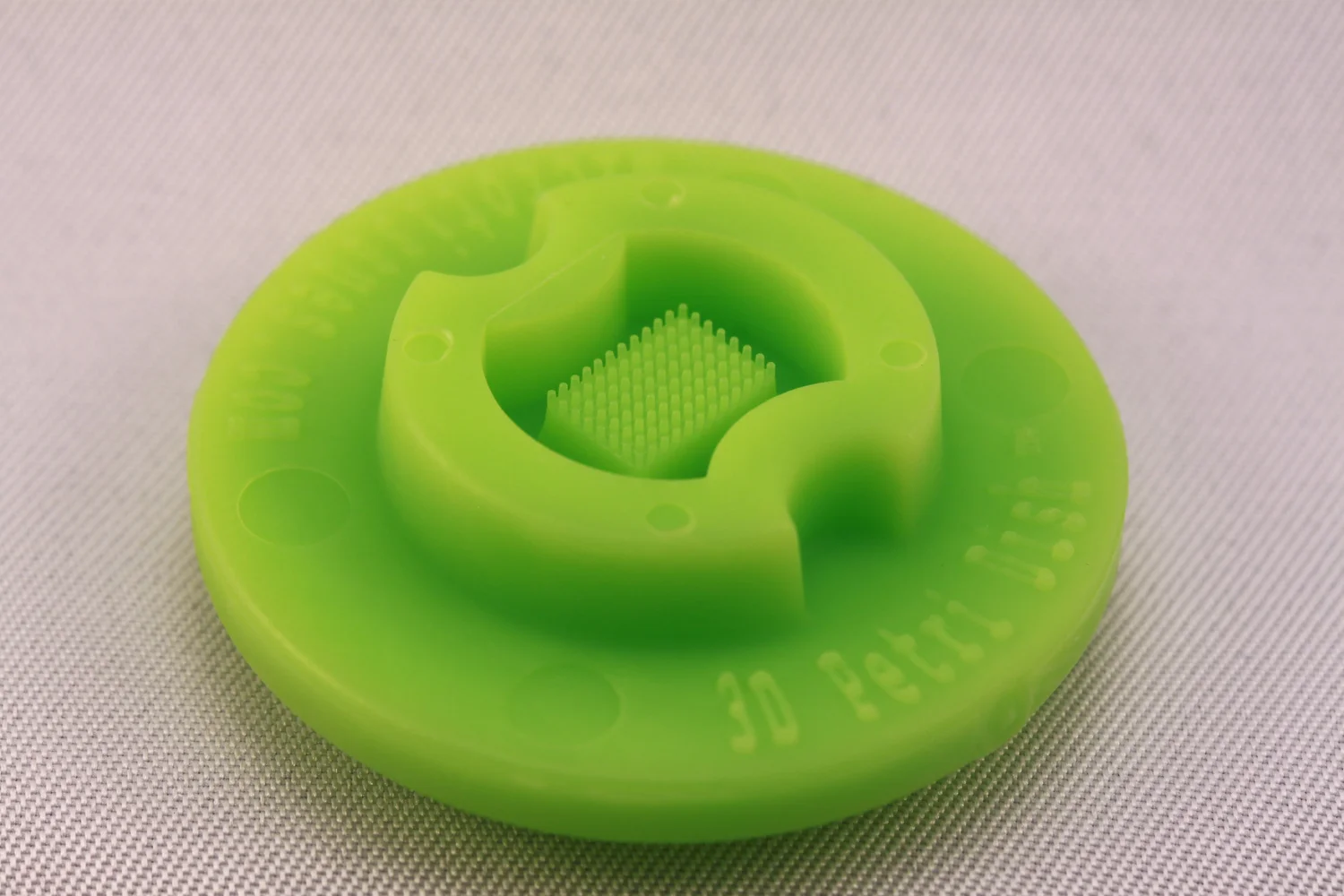
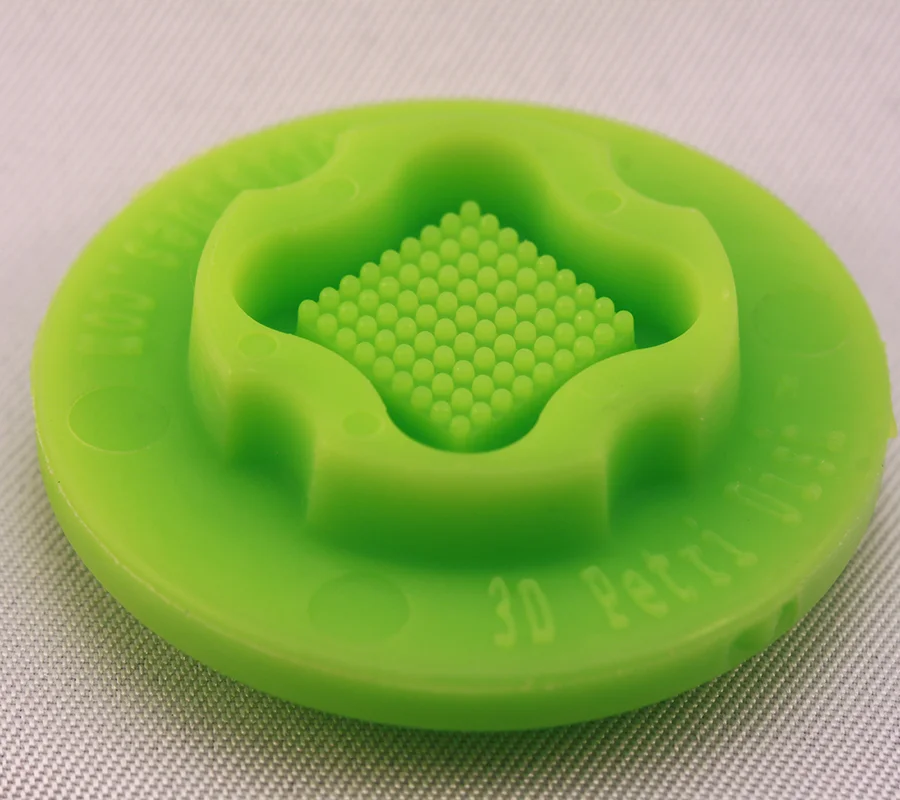
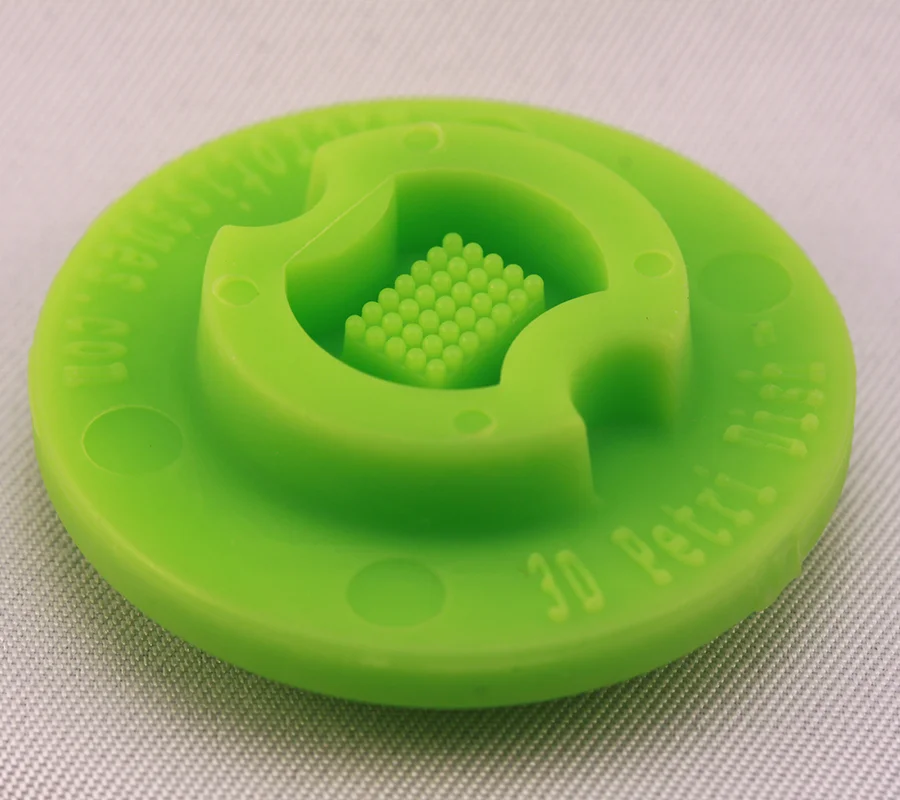
Published in Methods in Molecular Biology (2022), this peer-reviewed study used 3D Petri Dish® micro-molds to form scaffold-free 3D microtissues. Full citation: Fonseca, Laura Mar, et al. Generation of Insulin-Producing Multicellular Organoids
Generation of Insulin-Producing Multicellular Organoids
Research Overview
Clinical islet transplantation improves glycemic control and prevents severe hypoglycemia in type 1 diabetes, but it needs multiple donors, lifelong immunosuppression, and delivers suboptimal long-term graft function — with most transplanted islets lost to inflammation, ischemic damage, and delayed revascularization.
Organoids offer a way around these limits. In the context of beta-cell replacement, they allow production of uniform, insulin-producing multicellular constructs, addressing donor scarcity and graft-survival problems that constrain conventional islet transplantation.
Key Discoveries
- Insulin-producing multicellular organoids proposed as an alternative to donor islet transplantation
- Addresses donor scarcity, immunosuppression burden, and graft loss to ischemia
- Uniform organoid production targets the delayed revascularization that kills transplanted islets