Summary
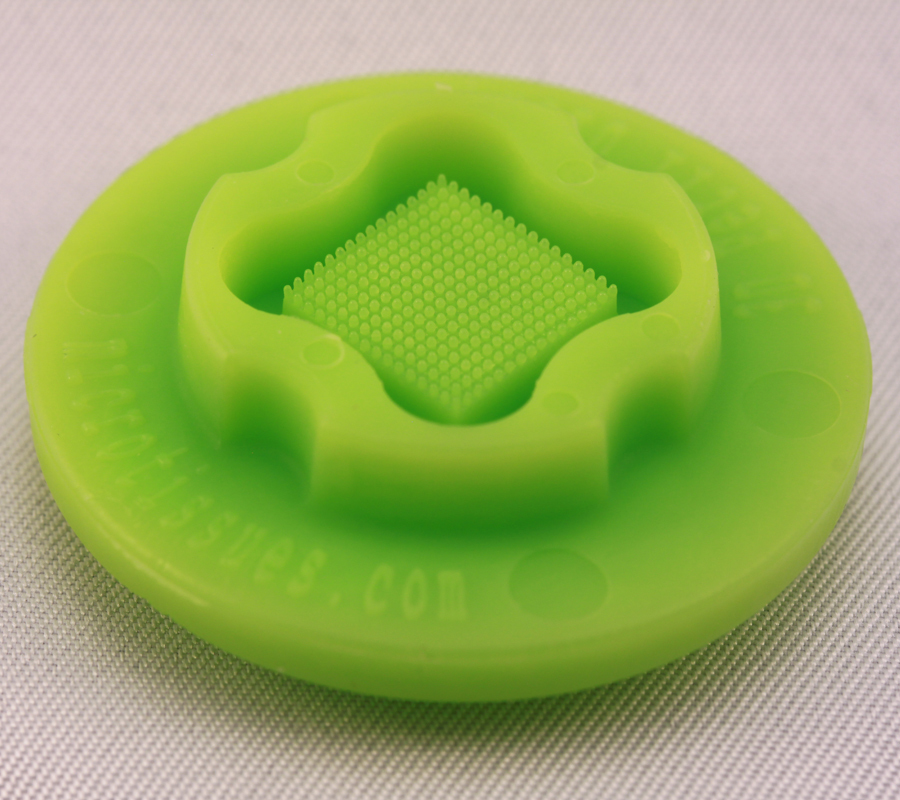
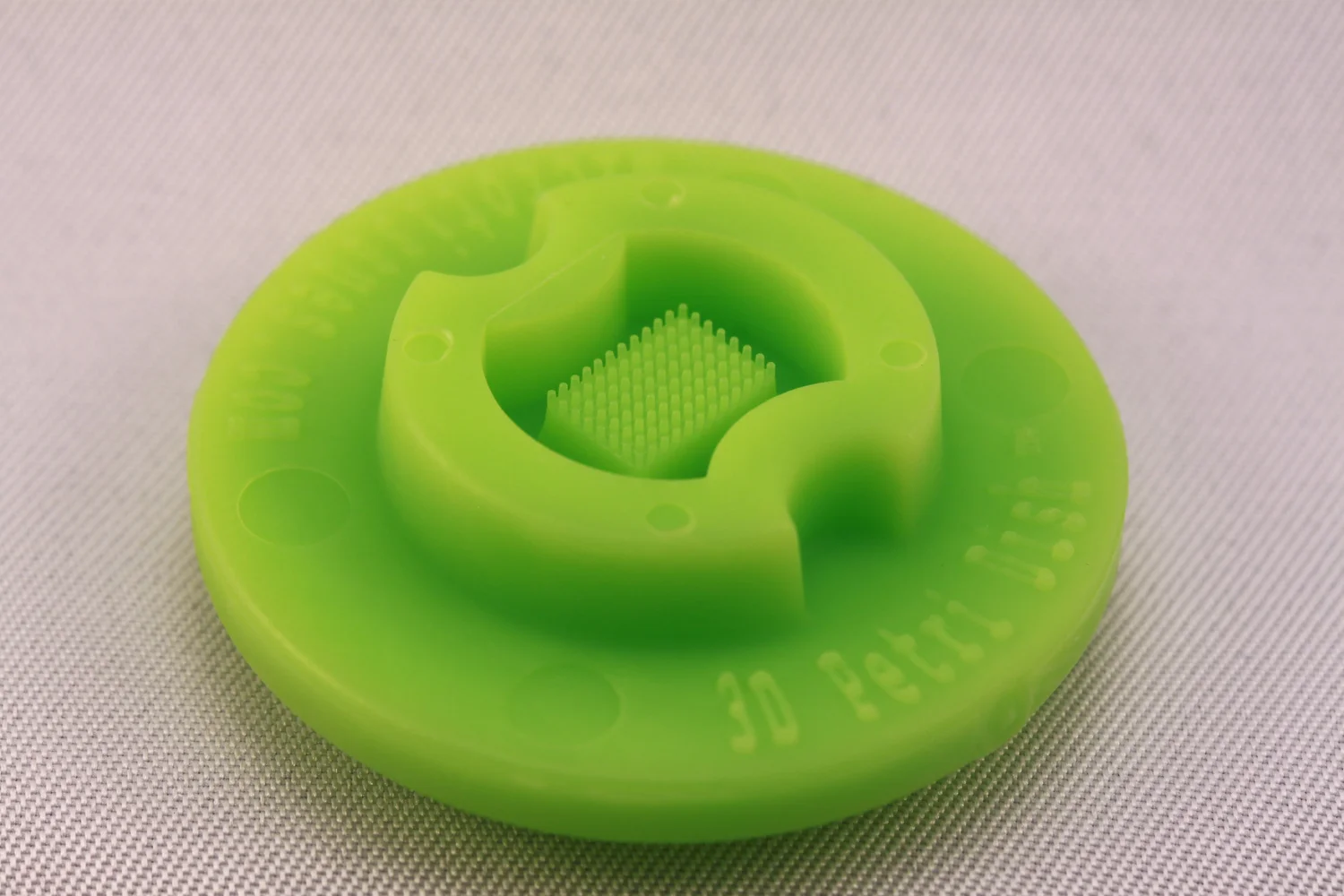
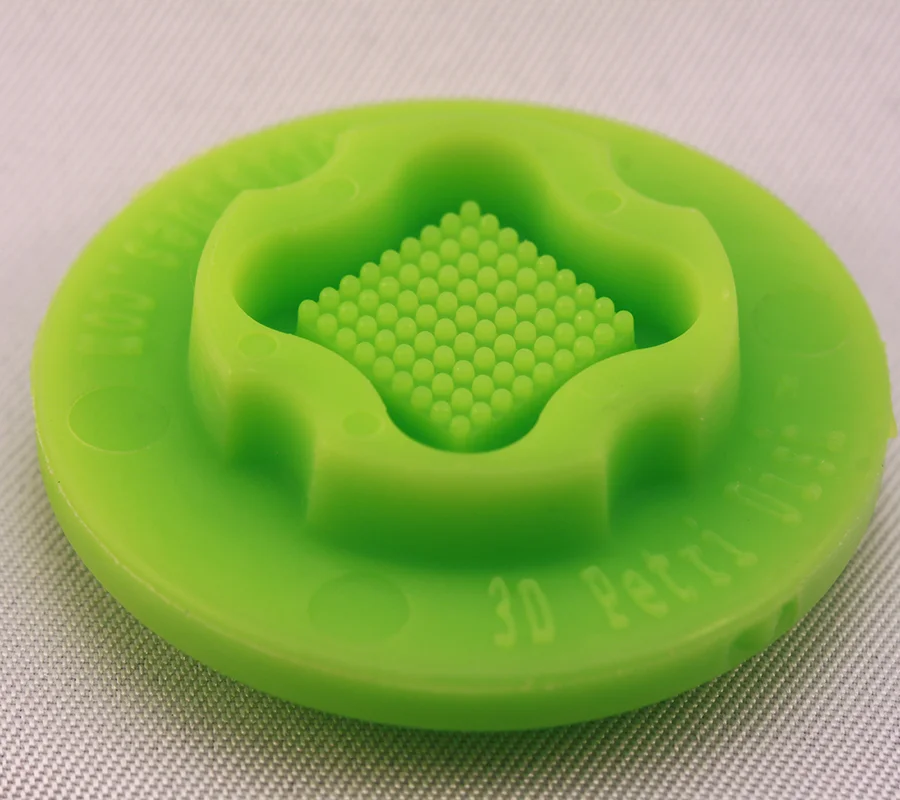
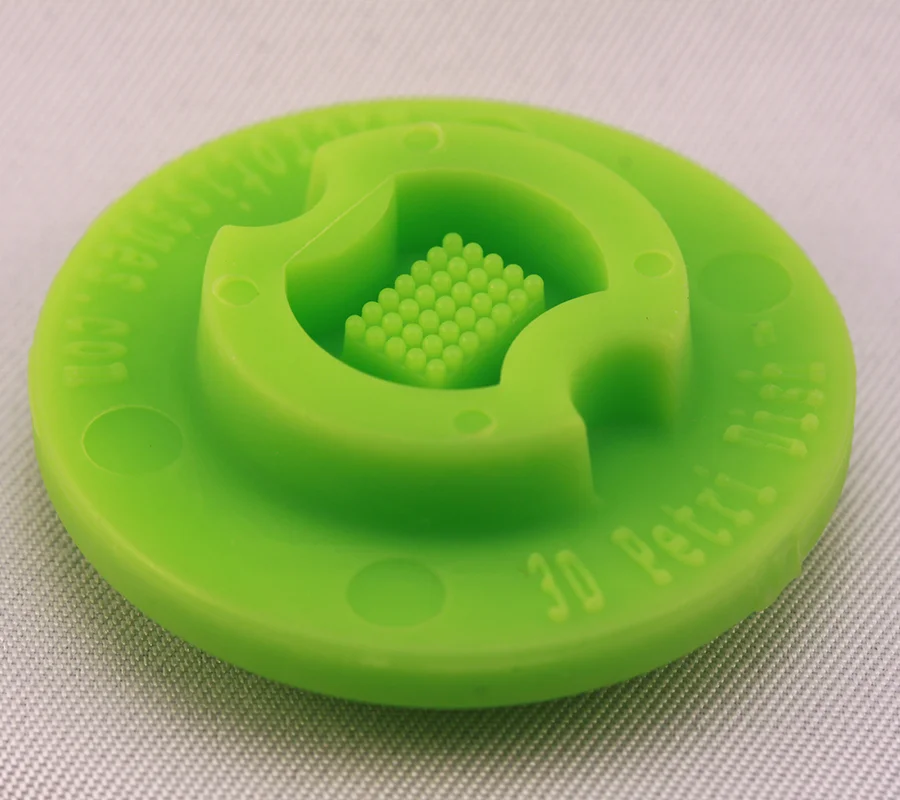
Published in Scientific Reports (2019), this peer-reviewed study used 3D Petri Dish® micro-molds to form scaffold-free 3D microtissues. Full citation: Mehes, Elod, et al. Enhanced endothelial motility and multicellular sprouting is mediated by the scaffold protein TKS4
Enhanced endothelial motility and multicellular sprouting is mediated by the scaffold protein TKS4
Research Overview
Endothelial motility is fundamental to vasculogenesis and angiogenesis in development and disease. Tks4 is a scaffold protein that organizes the cytoskeleton of lamellipodia and podosomes and is required for the localization and activity of MT1-MMP, a key enzyme for matrix cleavage during migration. Its role in transformed cells is established, but little was known about its function under physiological conditions.
This study silenced Tks4 in primary human umbilical vein endothelial cells (HUVEC) and used time-lapse videomicroscopy with quantitative image analysis to characterize motility phenotypes in culture, examining how the absence of Tks4 affects endothelial cell movement and multicellular sprouting.
Key Discoveries
- First look at Tks4 function in primary endothelial cells under physiological conditions
- Tks4 organizes lamellipodia/podosome cytoskeleton and localizes MT1-MMP for matrix cleavage
- Tks4 silencing in HUVEC analyzed by time-lapse videomicroscopy and quantitative image analysis